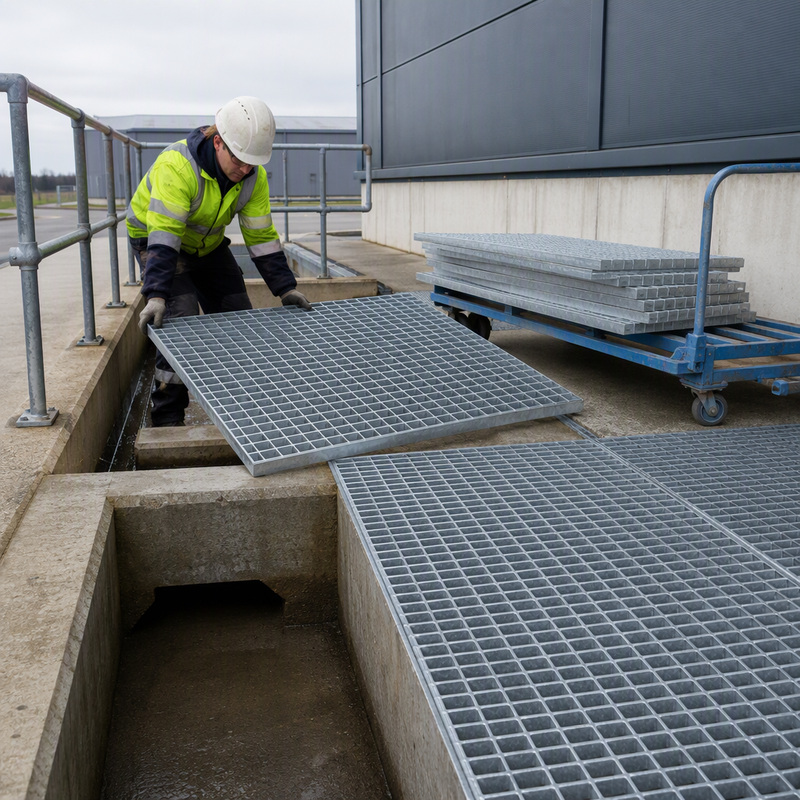
Grating Steel: Key Considerations for B2B Buyers

All Categories

grating steel

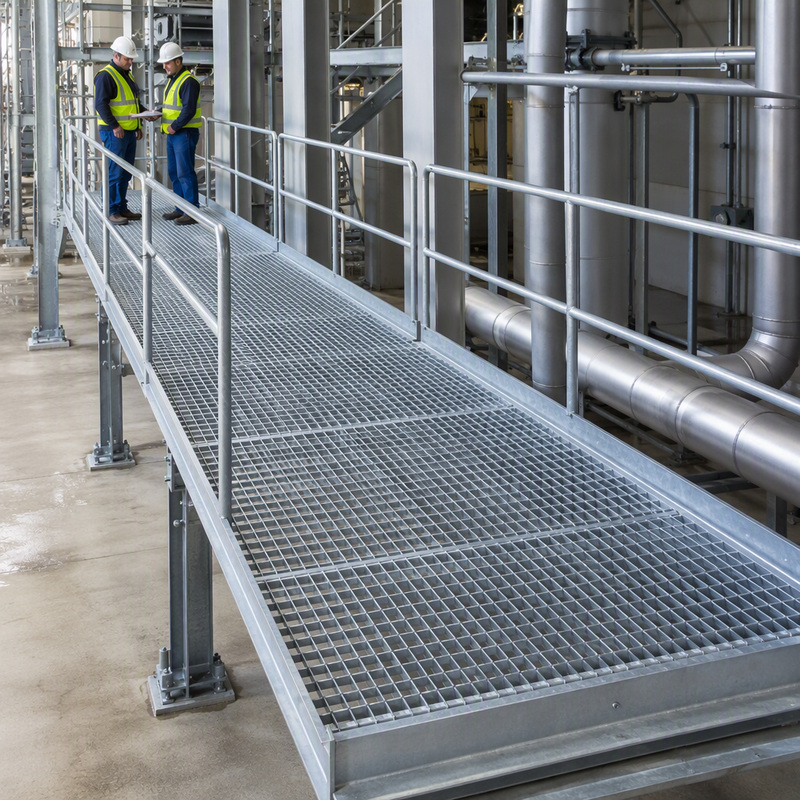
Grating steel is an essential component in various  industrial  applications, widely used for flooring, walkways,  and platforms due to  its  strength and safety  features. For B2B  buyers, understanding the  quality, specifications, and sourcing options  for  grating  steel is crucial to ensure  a  successful purchase.  This article  will guide purchasing managers and engineers through  the key considerations  in evaluating grating steel, helping them make  informed  decisions  that meet their project requirements.
Our Products

Where to Find Reliable Suppliers of Grating Steel

Where to Find Reliable Suppliers of Grating Steel

Finding trustworthy suppliers of grating steel involves thorough research  and evaluation. Start by exploring industry directories, trade shows, and online marketplaces where manufacturers frequently showcase their products. It’s beneficial  to  focus on suppliers  with a proven track  record in the industry, as this indicates reliability  and experience.

Consider  suppliers that not only manufacture but  also provide customization options, as  this  can be  vital for specific project needs. For instance, Shenyang  Haibo Weiye Light  Steel Color Plate Co., Ltd is known for its diverse product range and customization  capabilities, which can cater  to  various engineering scenarios.  Additionally, reading customer reviews and testimonials  can provide insights into the  supplier’s service quality and  product performance.
Specifications to Consider When Sourcing Grating Steel

Specifications to Consider When Sourcing Grating Steel

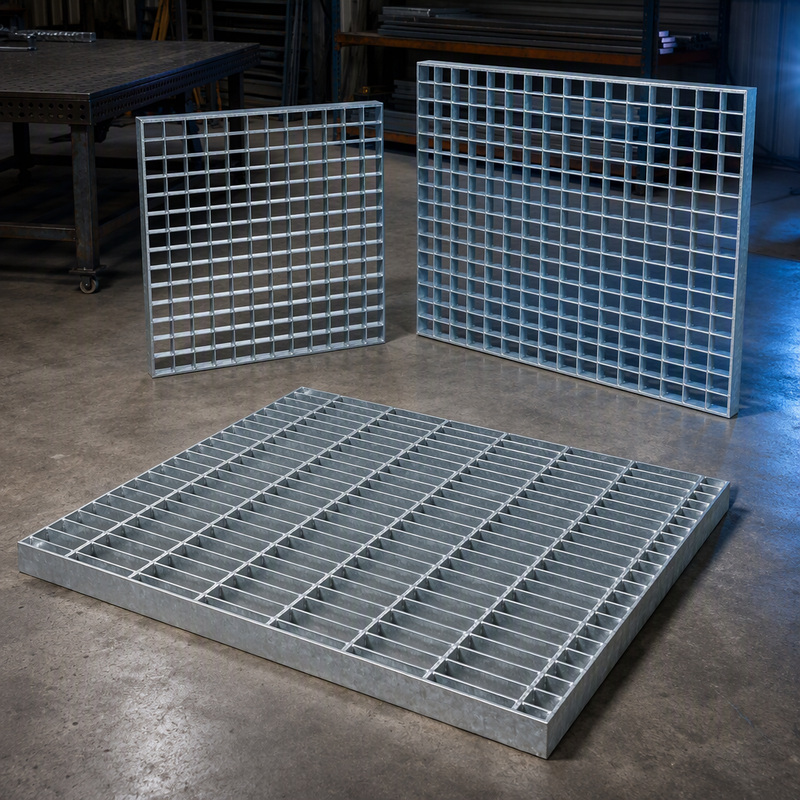
When sourcing grating steel, there are several  specifications that buyers  must consider to  ensure  suitability for their applications. Key specifications  include:

Thickness: The thickness  of  the grating affects its load-bearing capacity. Ensure that the chosen thickness aligns with the anticipated load requirements.

Open Area: This refers to the percentage of the grating area that is  open.  A higher  open area facilitates drainage and ventilation, making it suitable for specific environments.

Bar Spacing: The  spacing between bars impacts  both  safety and performance. Closer spacing  can provide a more stable walking surface, which is  crucial in high-traffic areas.

Material: As mentioned  earlier, the  choice between carbon steel, stainless steel, and other materials should be determined by the specific environmental conditions and load  requirements.

Buyers  should verify these specifications to ensure compliance with their project needs and safety standards.

Comparing Grating Steel Options for Wholesale Buyers

Comparing Grating Steel Options for Wholesale Buyers

Wholesale buyers often face  the  challenge of choosing between different grating steel options. To make an informed decision,  it is essential to compare products based on several criteria:

Cost: While price is  a significant factor, it’s important  to evaluate the total cost of ownership, which includes durability and maintenance.

Performance: Assess the grating's performance characteristics, such as load capacity and resistance to environmental factors.  This can be critical for ensuring long-term functionality.

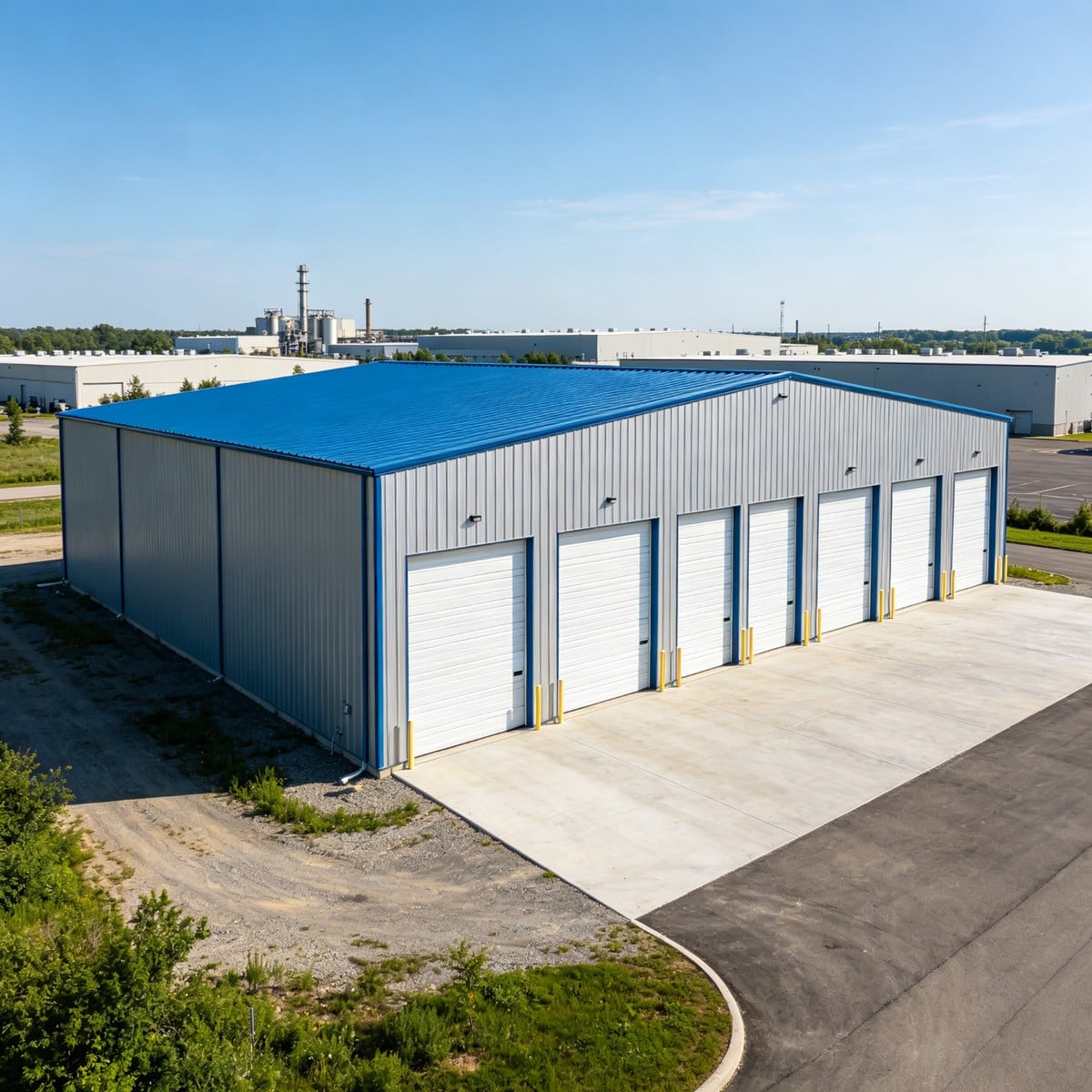
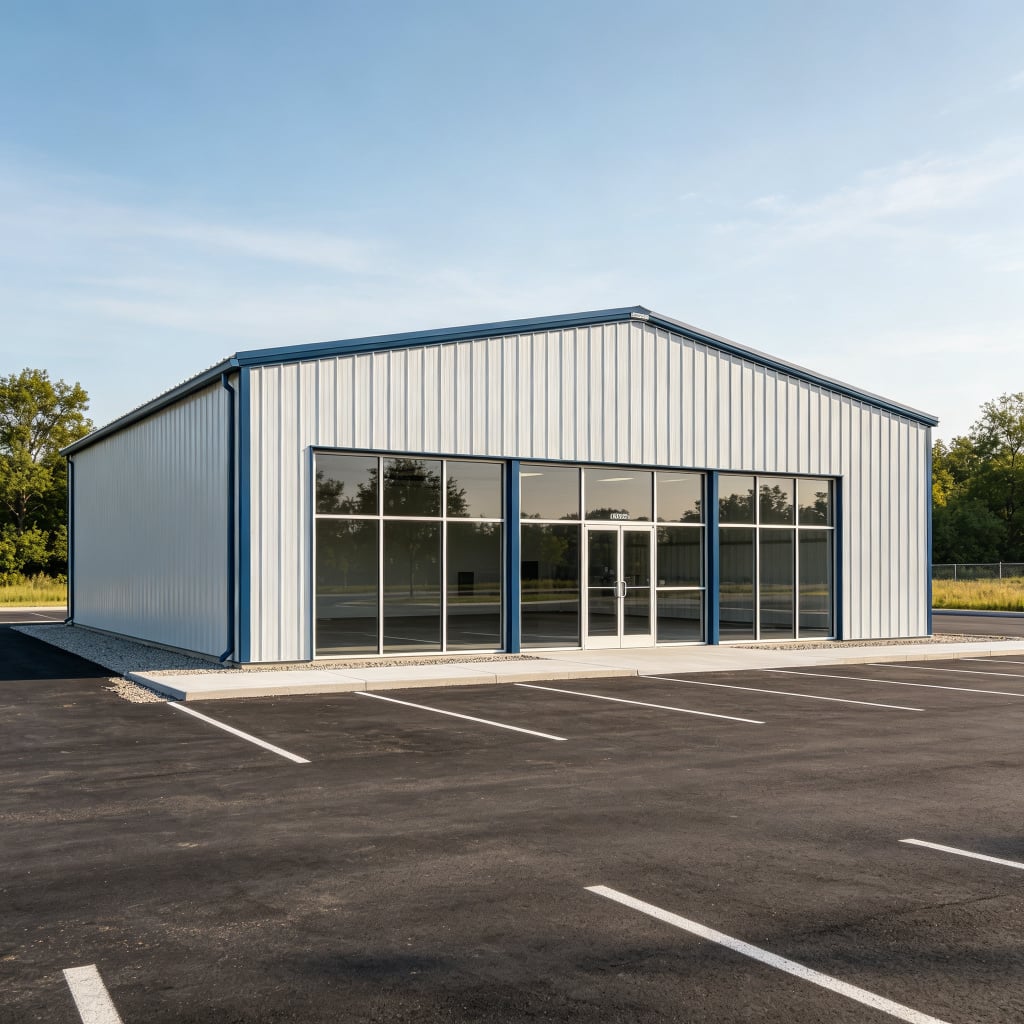
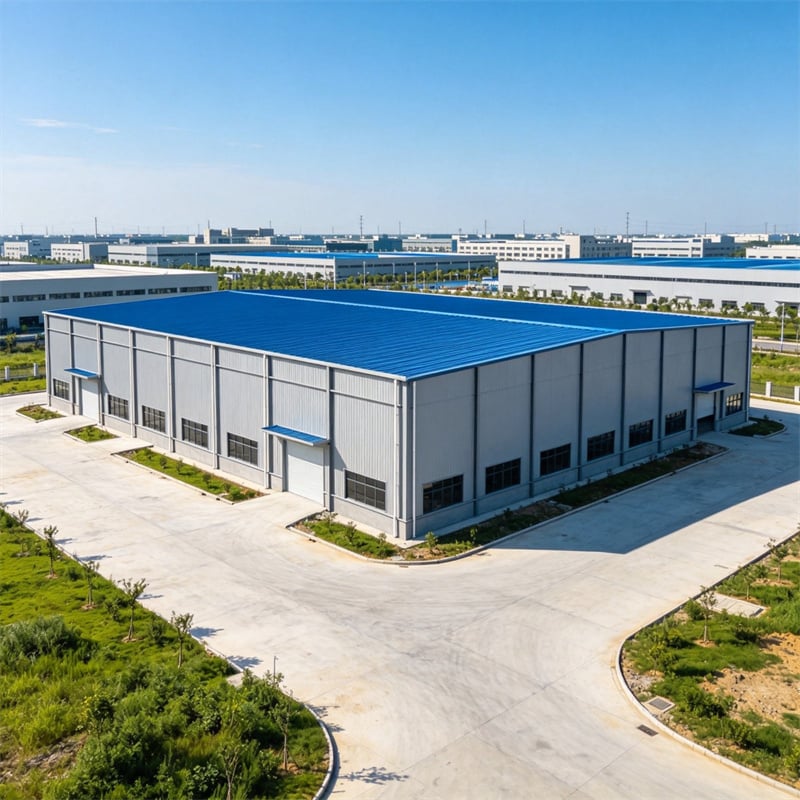
Customization Capabilities: Some suppliers, like  Shenyang Haibo Weiye, offer customization options that  allow buyers to specify dimensions, finishes, and other  features tailored to specific applications. Prefabricated Steel Structure Warehouse Building is an example of such customized solutions.

Lead Time and Delivery: Evaluate the supplier’s ability to meet deadlines, especially for large orders. A  reliable supplier  should provide clear timelines for production and delivery.

Customer Support: Consider the  level of customer  service provided by the supplier. Good communication and  support can ease the purchasing  process.

By systematically comparing these factors, buyers can  select the grating  steel option that best  meets their needs.

Understanding the Advantages of Different Grating Steel Materials

Different materials used in grating steel have  unique advantages, impacting  their suitability for various applications. Here are some common materials and their  benefits:

Carbon Steel: Known for  its strength and affordability, carbon steel is ideal for general applications. However, it  may require protective coatings to  enhance corrosion resistance.

Stainless Steel: This material offers  excellent  corrosion  resistance,  making it  suitable for harsh environments, such as chemical processing plants or coastal areas. While typically more  expensive than carbon steel, its longevity can lead to lower overall costs.

Aluminum: Lightweight and resistant to  corrosion, aluminum grating is  often used  in  applications where weight is  a  concern, such as in transportation or elevated walkways.

Fiberglass: Though not steel, fiberglass grating provides a non-corrosive option ideal for chemical environments. It is lightweight and can be customized easily.

Understanding  these material properties helps buyers select the right grating steel based on the specific demands of their projects. Ensuring the material aligns with the  intended application can significantly influence performance and longevity.

How to Evaluate Grating Steel Quality for Bulk Orders

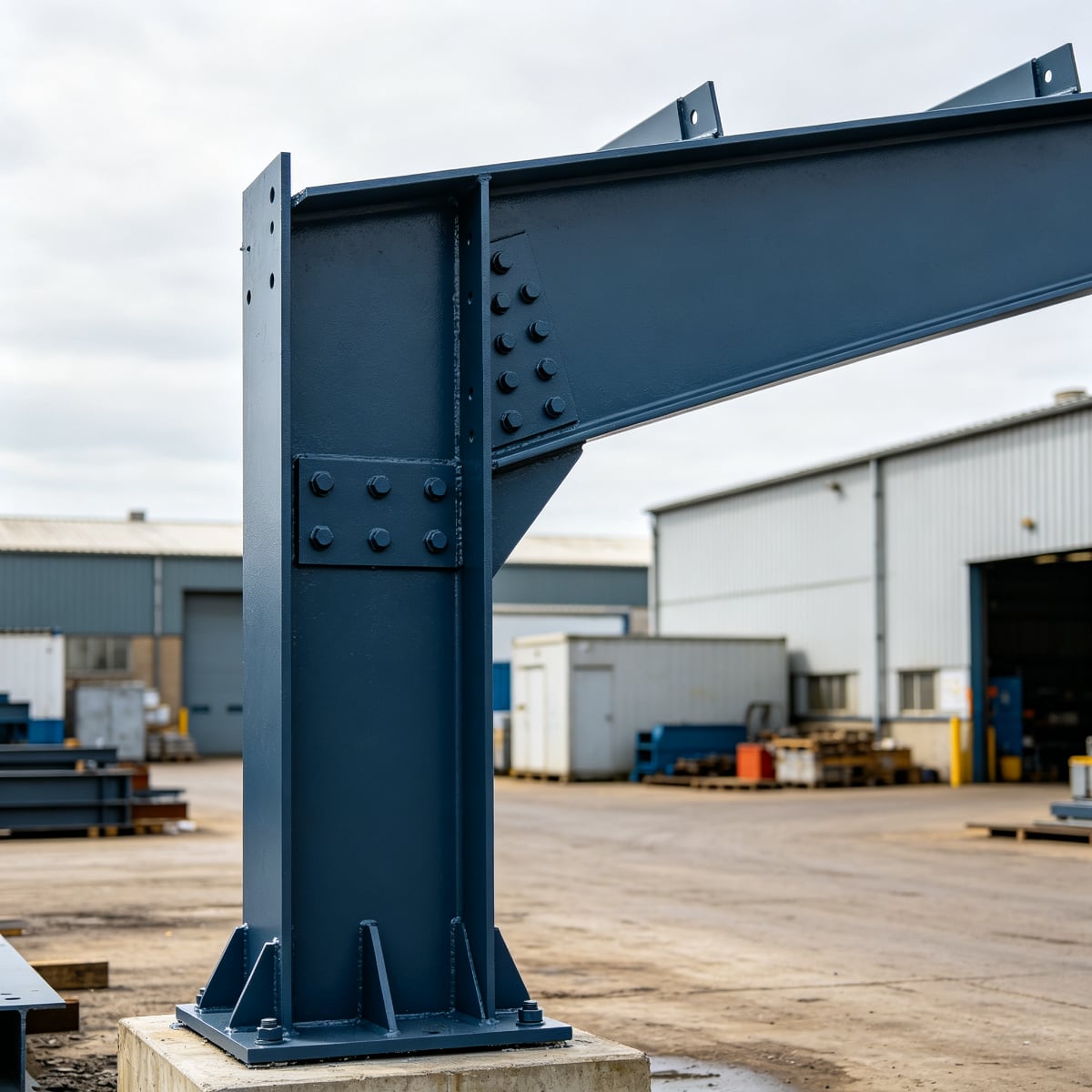
When assessing the quality of grating steel  for bulk  orders, buyers should focus on several critical factors. First,  the material composition is paramount; high-carbon steel or stainless  steel  are preferred for their  strength and corrosion  resistance. Second, verify the  production process.  A reputable manufacturer, such as Shenyang Haibo Weiye Light Steel Color Plate Co., Ltd, utilizes advanced production lines  that  ensure precise fabrication  and consistent quality.  Additionally, the use of Portal Frame Rigid Bent Pre-engineered Steel Column and Rafter can enhance the overall structural integrity.

Another aspect  to  consider is  the surface treatment, which  can significantly impact durability and safety. For instance, galvanized or painted finishes  can enhance corrosion resistance. Finally, it's advisable to request certifications or  quality assurance documents, ensuring that the product meets  industry standards and  testing requirements.

Frequently Asked Questions

What types of grating steel do you offer?

We supply steel grating in various profiles including welded, press-locked and serrated panels, with options in different mesh sizes and bearing bar depths to suit platforms, walkways and industrial applications.
Standard panels typically range 1000–3000 mm in length and 500–1000 mm in width; load capacity depends on bearing bar spacing and thickness. We provide custom load calculations based on project requirements.
Materials include carbon steel and galvanized steel. Surface finishes: hot-dip galvanizing, powder coating or painted finishes to enhance corrosion resistance and aesthetics.
Yes. We offer tailored cutting, welding, hole punching and framing to meet structural dimensions, load specs and installation needs using our CNC and welding capabilities.
Lead time depends on order size and customization but typical delivery ranges from 1–6 weeks. We coordinate logistics for onsite delivery and can expedite orders for urgent engineering projects.

Get a Free Quote

Our representative will contact you soon.
Email
Name
Company Name
Message
0/1000

Related product categories

Get a Free Quote

Our representative will contact you soon.
Email
Name
Company Name
Message
0/1000