EN
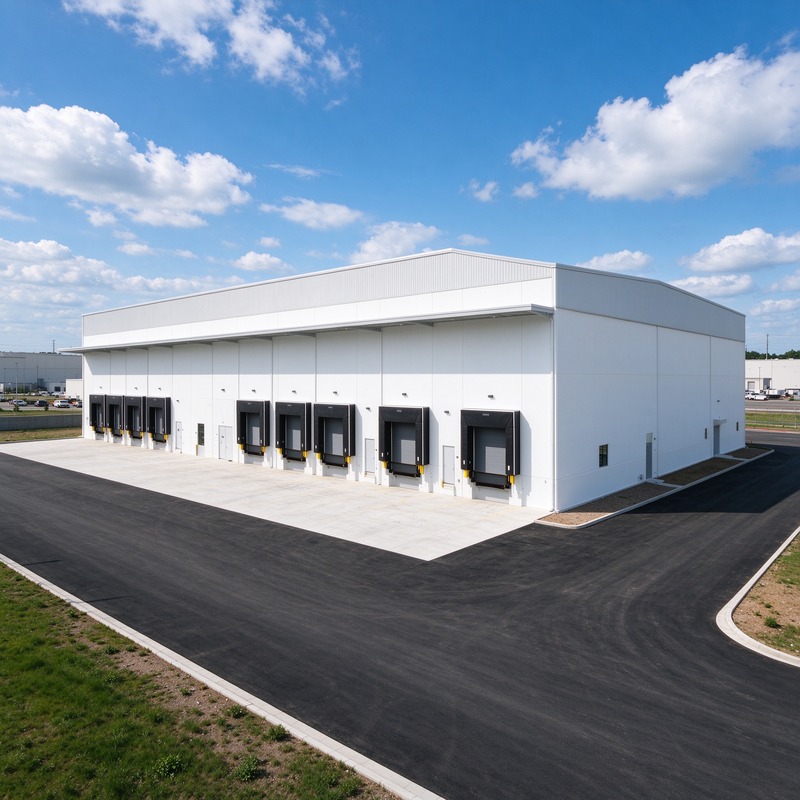
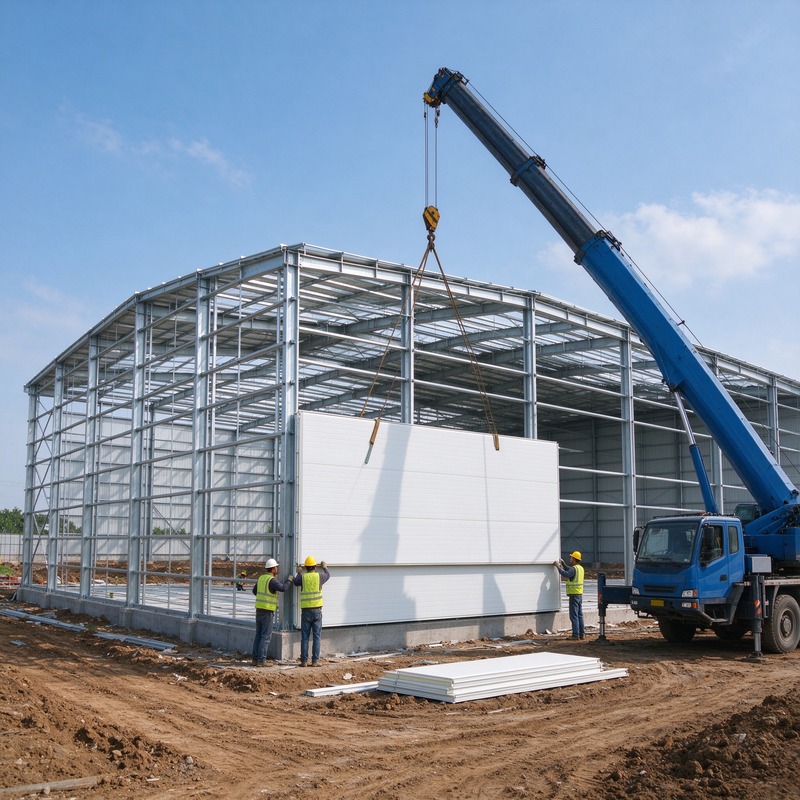
When planning a new warehouse building, selecting the right materials and structures is crucial for optimizing functionality and efficiency. Steel structures are a popular choice due to their strength, durability, and versatility. This article will explore the best practices for installing steel structures in new warehouse projects, identify common construction problems and effective solutions, discuss wholesale purchasing options for steel components, compare material advantages for new warehouse buildings, and examine the applications of steel structures in modern warehouse design and functionality.
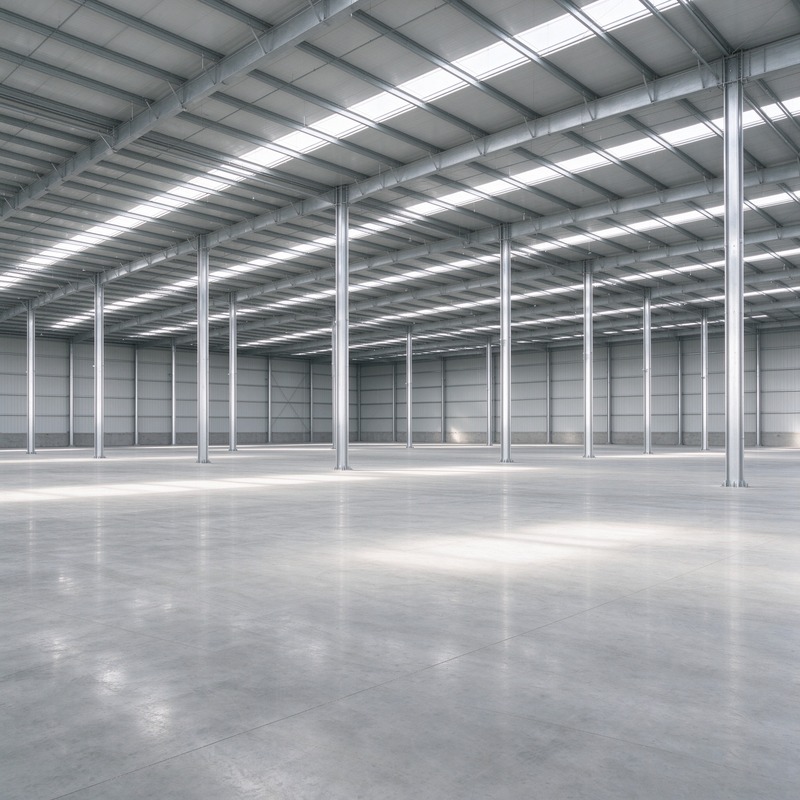
Common Problems in Warehouse Construction and Effective Solutions
Warehouse construction often presents unique challenges. Common issues include:
Material Delays: Supply chain disruptions can lead to delays in obtaining steel components. To mitigate this, establish strong relationships with reliable suppliers and consider alternative materials that can be sourced quickly.
Design Flaws: Errors in design can result in costly revisions. Utilizing advanced design software and engaging in thorough peer reviews can help identify potential flaws early in the project.
Weather Conditions: Adverse weather can impact construction timelines. Planning for potential delays by incorporating buffer time into project schedules can help manage expectations.
Structural Issues: Problems such as misalignment or inadequate load-bearing capacity can arise during installation. Conducting regular inspections and using advanced measurement technologies can help identify and rectify issues promptly.
Regulatory Compliance: Failing to meet local regulations can halt progress. Staying updated on building codes and involving local authorities in the planning phase can ensure compliance from the outset.
By proactively addressing these common problems, warehouse builders can enhance project efficiency and minimize disruptions.