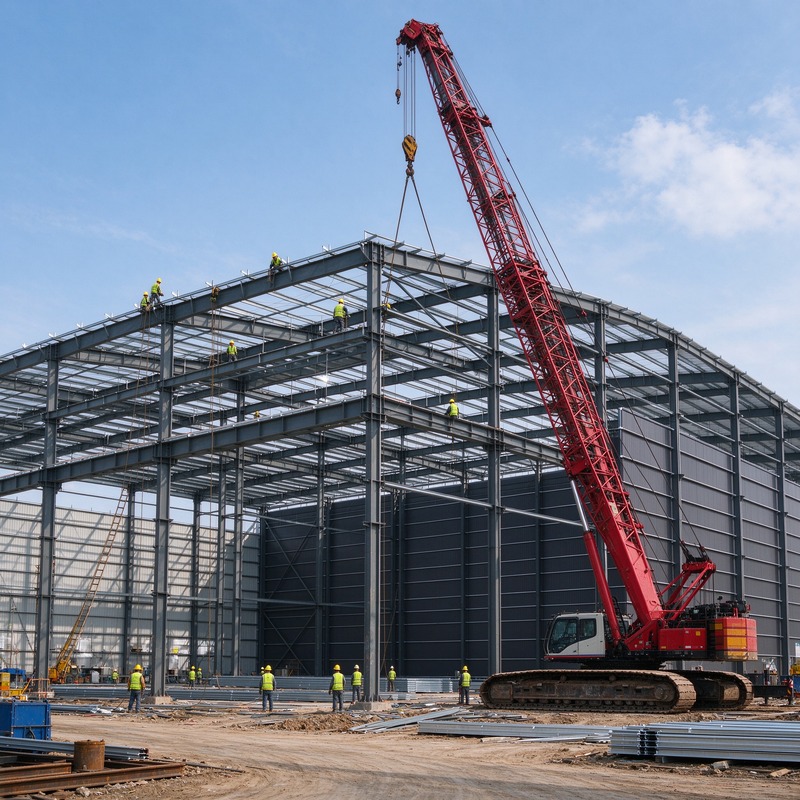
Key Considerations for Industrial Warehouse Construction

All Categories

industrial warehouse construction

Industrial  warehouse  construction  is a  critical aspect  of the manufacturing and  logistics  sectors, directly impacting  operational  efficiency and cost-effectiveness. Buyers, including purchasing  managers and  engineers,  often seek  insights  into material selection, structural specifications, budgeting, and potential construction pitfalls. This article aims  to  provide  practical  guidance on these  topics,  helping decision-makers make informed choices for their projects.
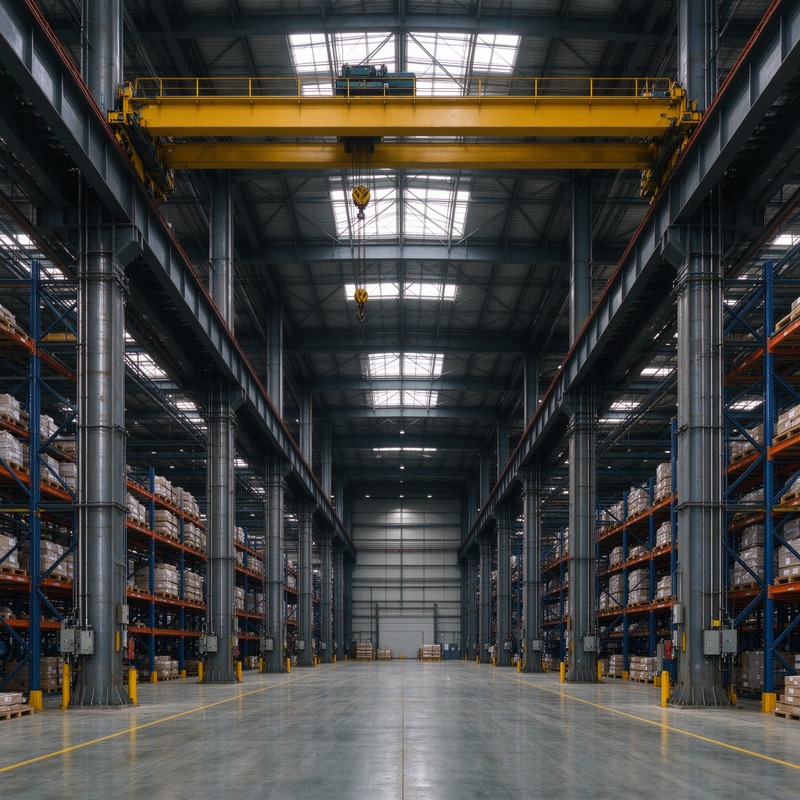
Key Specifications to Consider in Warehouse Steel Structures

Key Specifications to Consider in Warehouse Steel Structures

Understanding the  key specifications of warehouse  steel structures  is essential for ensuring they meet  your operational and safety standards. Here are some critical specifications to consider:


Dimensions and Load Capacity: The dimensions of steel  beams and columns must be calculated based on  anticipated loads, including static and dynamic forces. A structural engineer can  determine the appropriate  sizing to ensure safety and compliance with local building codes.

Material Grade and  Treatment: Different grades of  steel offer varying levels of  strength  and corrosion resistance. For instance, ASTM A992 is commonly used for structural steel in buildings due to its excellent weldability and strength. Additionally, consider surface treatments such as galvanizing, which can extend the lifespan of steel components in corrosive environments. For more information on galvanizing, check out Galvanized Film Greenhouse Tunnel Plastic Grow Tunnel.

Fire Resistance: Depending on your warehouse's location  and  intended use, fire resistance ratings may be mandated. Materials should be selected based on their fire performance  characteristics, which can significantly influence safety and  insurance costs.

Ensuring these specifications  match the requirements  of your warehouse project will help prevent costly modifications during  or after construction.
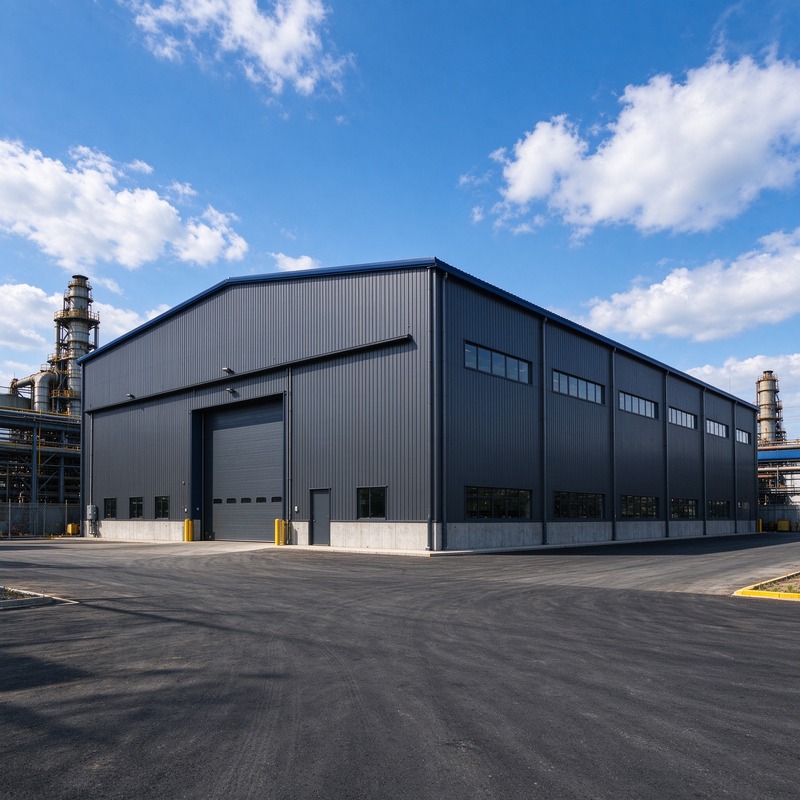
Budgeting for Your Industrial Warehouse Project

Budgeting for Your Industrial Warehouse Project

Budgeting for industrial warehouse construction involves more than just  materials. It requires a comprehensive understanding of all associated costs, including labor, permits, site preparation, and logistical considerations.

Material  Costs: Start by estimating material costs  based on your  selected specifications. Prices for steel can fluctuate based on market conditions, so it's advisable to obtain quotes from  multiple suppliers like  Shenyang Haibo Weiye Light Steel Color Plate Co., Ltd  to ensure competitive pricing.

Labor and Installation: Labor costs  can  vary widely depending on the  complexity of the construction. Engage with contractors early to get accurate estimates, including any specialized  labor for tasks such as welding or electrical installations.

Contingency  Funds: Always allocate a contingency budget of around 10-15% of the total project cost. This will help cover unexpected expenses  that  may arise during construction, such as design  changes or site conditions that were not anticipated.

By carefully  planning and considering all aspects of budgeting, you  can create a more  accurate financial framework for  your  warehouse project.

Common Problems in Warehouse Construction and Their Solutions

Common Problems in Warehouse Construction and Their Solutions

Warehouse construction can present several challenges  that buyers  must be aware of to mitigate  risks effectively. Here are some common issues and practical solutions:

Design Changes: Design modifications during construction can lead to delays and increased costs.  To prevent this, ensure that all stakeholders are aligned on the  design before commencing work. Establish a clear  change management process to handle any necessary adjustments  efficiently.

Material Delivery Delays: Delays in material delivery can halt construction progress. Work with  reliable suppliers who can provide accurate lead times  and consider sourcing  materials from multiple suppliers to mitigate  risks.

Quality  Control Issues: The quality of  materials and  workmanship directly affects the longevity of the warehouse. Implement a robust quality control  process that includes  regular inspections throughout the  construction phase, ensuring all materials  meet the specified  standards.

By anticipating these common problems and implementing proactive strategies, you  can enhance the likelihood of a smooth construction process.

Understanding Applications of Steel Structures in Warehousing Needs

Steel structures  are  integral to modern warehousing, providing the necessary strength and  flexibility to  accommodate various operational needs. Here are some applications where steel structures excel:

High-Rise Warehousing: For warehouses that require vertical storage solutions, steel structures allow for the construction  of multi-level facilities.  The lightweight nature  of steel reduces  the foundation load, enabling taller structures without compromising safety.

Temperature-Controlled Environments:  Many industries,  such as food and pharmaceuticals, require temperature-controlled storage.  Steel structures can  be designed with insulation and climate control systems  that meet the  specific needs of these applications, ensuring product integrity.

Flexibility in Layout: Steel’s versatility allows for open floor plans that can be easily adapted as business needs change. This flexibility is crucial in warehousing, where the ability to reconfigure space can significantly enhance operational efficiency.

Understanding these applications will help you  assess  the suitability of steel  structures for your warehouse needs, ensuring optimal performance and longevity.

By considering materials, specifications, budgeting, common construction problems, and  practical  applications, buyers can make informed decisions for their industrial warehouse  construction projects.

How to Choose the Right Materials for Industrial Warehouse Construction

Selecting the  appropriate  materials for industrial warehouse construction is pivotal for ensuring structural integrity and meeting operational needs. Key  materials typically include H  section steel, box columns, and  color steel profiled plates. Each material presents unique attributes that affect durability, load-bearing capacity, and resistance to  environmental factors.

Structural Steel: H section steel offers high strength-to-weight ratios, making it ideal for large  spans and  heavy load applications. When selecting steel, consider factors such as yield strength and tensile strength, as these will impact how the structure  performs under various loads. For a detailed overview of different steel components, refer to Portal Frame Rigid Bent Pre-engineered Steel Column and Rafter.

Composite Plates and Purlins: These are essential for roofing and wall systems, providing  thermal insulation  and  weather resistance. The selection of composite materials must align with  the expected climate conditions and operational processes within the  warehouse.

Color Steel Plates:  These are often chosen  for their aesthetic appeal and corrosion resistance. Ensure the coating thickness and material adhere to industry  standards for  durability, particularly in humid or industrial environments.

When discussing material options with suppliers, request detailed specifications  and sample approvals to verify  that they meet your project's requirements.

Frequently Asked Questions

What industrial warehouse services do you provide?

We offer design, production and supply of steel structure warehouses including H section steel, box columns, beams, trusses, composite plates, color steel profiled plates and purlins for varied engineering needs.
We use high-grade H section steel, box columns, beams, steel trusses, composite plates and color steel profiled plates, manufactured on advanced production lines with CNC and welding support.
Yes. We provide tailored designs and fabrication to match specific dimensions, load requirements and site conditions, leveraging our integrated design and production capabilities.
As a major Northeast China processor with large annual output, we handle large projects. Lead time varies by order size; contact us with project details for an accurate schedule.
We offer technical guidance, detailed drawings and on-site installation support coordination. Our team assists with assembly plans, welding specifications and construction supervision as needed.

Get a Free Quote

Our representative will contact you soon.
Email
Name
Company Name
Message
0/1000

Related product categories

Get a Free Quote

Our representative will contact you soon.
Email
Name
Company Name
Message
0/1000