EN
Steel construction warehouses are vital for modern logistics and industrial operations, providing the necessary infrastructure to store and manage inventory efficiently. This article will address key considerations for B2B buyers looking to source steel structures for warehouses, focusing on quality, cost factors, installation challenges, and the specific applications of steel products like H section steel. Understanding these elements will help purchasing managers and engineers make informed decisions.
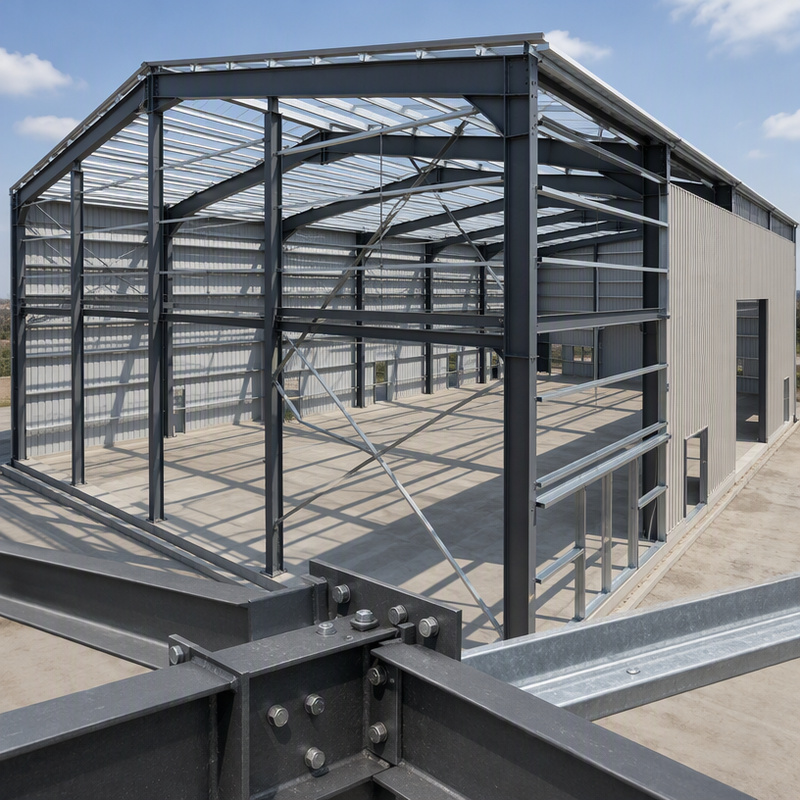
Steel Trusses vs. Box Columns for Warehouses
When sourcing steel for warehouse construction, several cost factors come into play. Material costs are the most significant, influenced by market fluctuations, availability, and the selected steel grades. For instance, H section steel or color steel profiled plates may vary in price based on thickness and coating types. Buyers should obtain detailed quotations that break down costs, including material, labor, and transportation. It's also wise to consider the potential savings from investing in high-quality options, such as PU PIR Insulated Wall Sandwich Panel High Thermal Efficiency Cladding, which can lead to lower maintenance costs.
Beyond material costs, consider fabrication and installation expenses. Complex designs may incur higher labor costs, while structural complexity can necessitate specialized equipment or skilled labor for installation. Additionally, transportation costs can vary based on distance and logistics arrangements. It's essential to factor in these elements when calculating the total cost of ownership for the warehouse project.
Another consideration is the potential for long-term savings through durability and maintenance costs. Investing in high-quality materials may lead to lower maintenance requirements and extend the lifespan of the structure, ultimately providing better value over time.