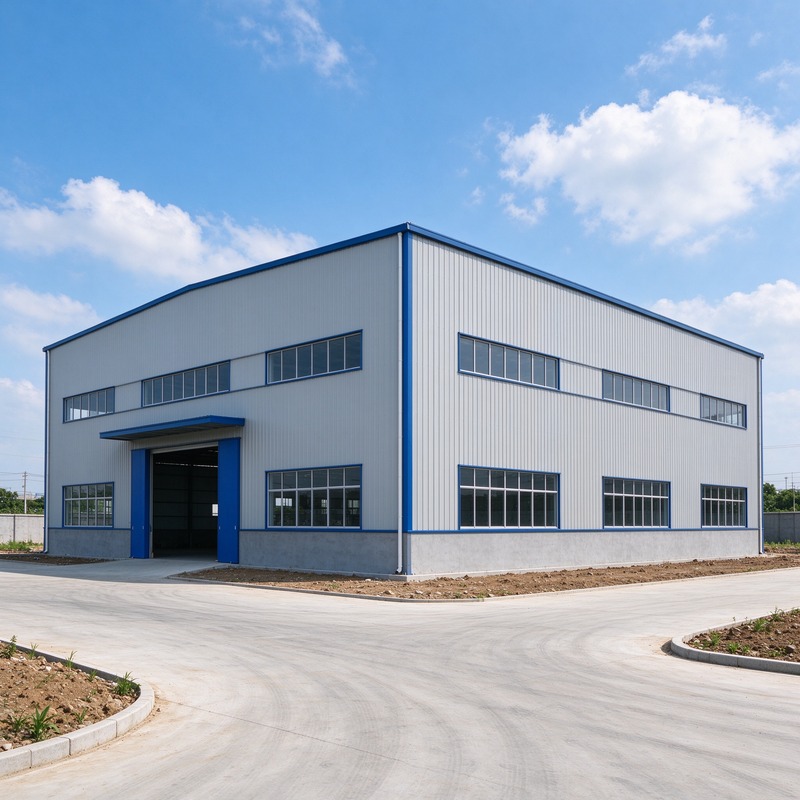
Guide to Prefabricated Steel Buildings for Projects

All Categories

prefabricated steel buildings

Prefabricated steel buildings  are  engineered structures manufactured offsite and assembled onsite,  offering  flexibility,  efficiency, and durability for  various industrial and commercial  applications. As  organizations look to streamline construction processes and  reduce costs, these buildings  have gained popularity. However, purchasing managers and other B2B buyers may have several concerns about  the specifications,  quality, and sourcing of  prefabricated  steel buildings. This article will guide  you  through essential factors to consider, evaluate suppliers, and understand cost  implications to  make informed  purchasing decisions.
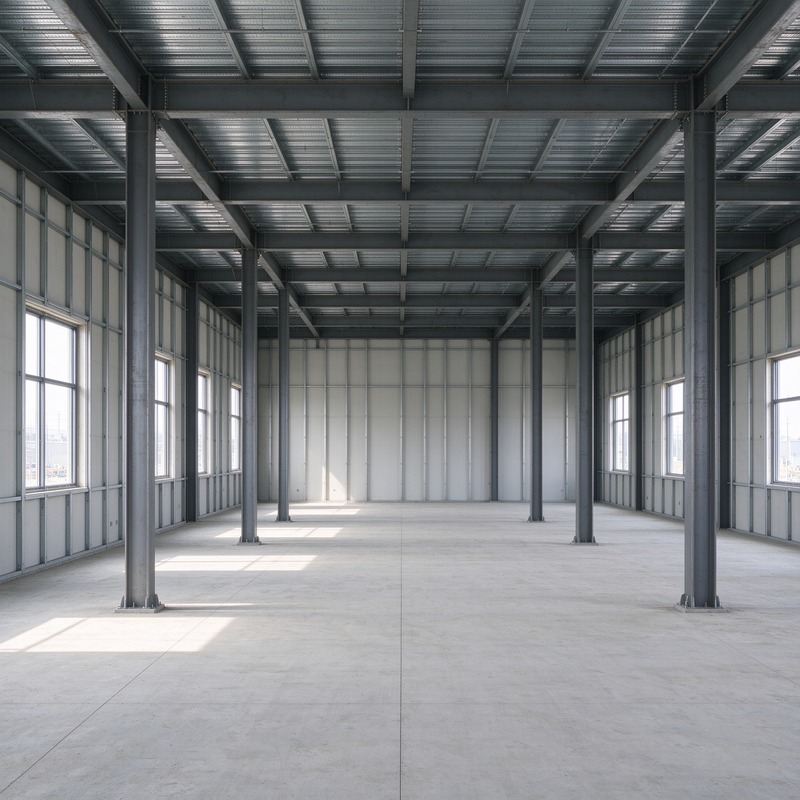
A Buyeru2019s Guide

A Buyeru2019s Guide

When preparing to  purchase prefabricated  steel buildings, it’s essential to gather detailed information  that  will facilitate  a smooth transaction.  Begin by compiling the following  details:

Project Specifications: Clearly outline  the dimensions, layout, and design features of  the building.  This information  will aid suppliers in providing accurate quotations.

Material Requirements: Specify  the type of steel (e.g., galvanized, weather-resistant) and any additional materials needed for insulation  or finishing.

Quantity: Determine  the number of units required, as this can affect pricing and lead time.

Application Purpose: Describe the intended use of the building and  any  specific performance requirements, such as fire  resistance or  energy efficiency. Additionally, consider options like the Galvanized Film Greenhouse Tunnel if your application demands specific environmental controls.

Delivery Timeline: Establish your project timeline and any critical deadlines, as this will impact lead times and production  schedules.

By gathering this information upfront, you can streamline the RFQ process and improve communication with potential  suppliers, leading to more accurate quotes and better service.
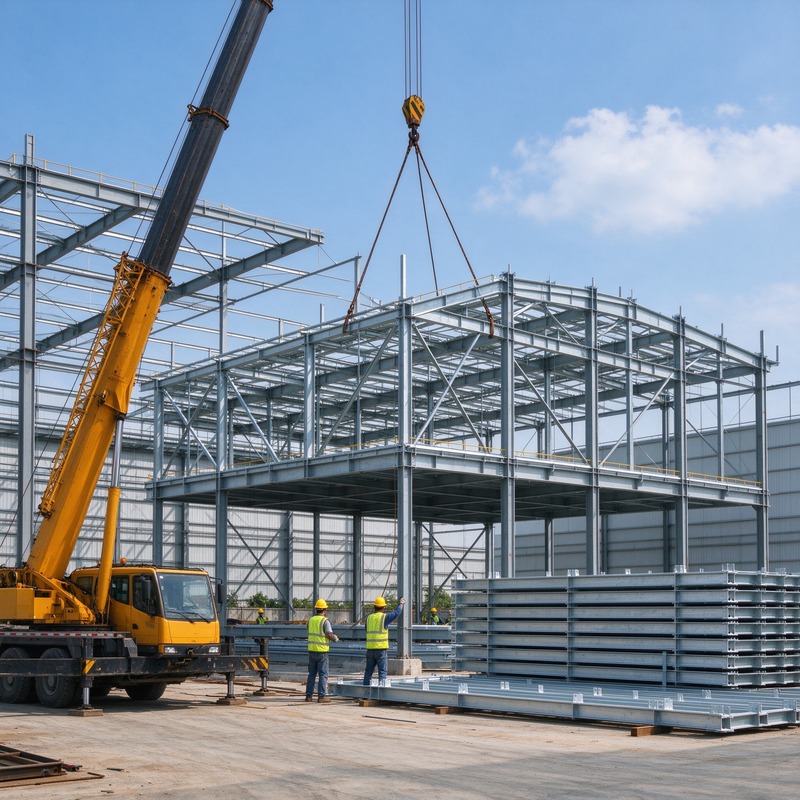
How to Evaluate the Quality of Prefabricated Steel Buildings

How to Evaluate the Quality of Prefabricated Steel Buildings

Quality assurance is vital when  purchasing prefabricated steel buildings. Begin  by examining the manufacturer’s  quality  control processes. This includes verifying certifications and testing procedures that ensure the steel meets industry standards. For  example, look  for compliance with  ISO standards, which  indicate a commitment  to quality and  consistency.

Additionally,  assess the material specifications. The thickness of the steel, for example, directly impacts strength and durability.  Thicker gauges are generally more resilient but may also increase costs. Ensure that the  material used is  appropriate for the building’s intended use and environmental conditions.

Request samples or visit  existing installations  to evaluate workmanship and design. Observing completed projects can provide insight into the quality of construction and finish. Pay attention to the connections and joints, as these are critical areas where structural integrity  is maintained.


Lastly, inquire about warranties and post-purchase support. A reliable  manufacturer should offer warranties that cover defects and provide support  should any issues arise post-installation.

Where to Source Reliable Suppliers for Prefabricated Steel Buildings

Where to Source Reliable Suppliers for Prefabricated Steel Buildings

Sourcing reliable  suppliers for prefabricated  steel  buildings involves a thorough evaluation  process. Begin by researching manufacturers with a strong reputation in the industry. Look for companies like  Shenyang Haibo Weiye Light Steel Color Plate Co., Ltd, known for their advanced production capabilities and extensive product range.


Utilize industry networks and trade shows to gather recommendations and insights about potential suppliers. Engaging with  other professionals in the field  can lead to valuable referrals and firsthand reviews of supplier performance.

When assessing potential partners, consider their production capacity and lead  times. A supplier's ability to meet  your timelines is critical, especially  if your project has strict deadlines.  Additionally, verify their certifications and quality assurance processes  to  ensure they adhere to industry standards.

Finally, establish communication channels  early  in the process. A responsive  and transparent supplier is  essential for addressing any questions or  concerns that may arise during the purchasing  process.

Cost Factors in Purchasing Prefabricated Steel Buildings in Bulk

Understanding the cost factors associated with purchasing prefabricated  steel buildings in bulk is essential for effective budgeting. The  primary components influencing cost include  the material grade, design complexity, and customization options. Higher-grade materials and intricate designs typically lead to increased  costs.

Additionally, ordering in bulk can lead to significant savings on a per-unit basis. Manufacturers often offer volume discounts, which  can substantially reduce total project costs.  However, ensure that the savings do not compromise quality; it is vital to balance cost with the necessary specifications for  your  project.

Transportation costs are another key consideration. Depending on the location of the supplier and  the delivery site,  shipping costs can vary significantly.  Factor these into your  overall budget to avoid unexpected expenses.

Lastly, consider any  additional costs related to  installation and site preparation. This may include foundation work, site access, and labor costs, all  of which should  be accounted for  when  planning your project budget.

In summary, understanding the  nuances of prefabricated steel buildings, from specifications to supplier evaluation, is crucial for making informed purchasing decisions. By considering these factors, buyers can  enhance their procurement strategies and ensure the successful implementation of their projects.

What to Consider When Choosing Prefabricated Steel Buildings for Projects

When  selecting prefabricated steel buildings, consider several key factors. First, assess the specific  application and intended use of the structure. Different projects may require varying load capacities, dimensions, and materials. For instance, a warehouse may need higher load-bearing capabilities and larger dimensions compared to a  simple storage unit.

Next, evaluate  the environmental conditions the building  will face. Steel structures must  be designed  to withstand factors such  as wind loads, seismic activity, and potential exposure  to corrosive elements. Choosing the appropriate coating and material grade is crucial for longevity and performance, particularly  in harsh environments.

Additionally, customization  capabilities play a  significant  role in the decision-making process. Many manufacturers, like Shenyang Haibo Weiye Light Steel Color  Plate Co., Ltd, offer  tailored solutions to meet specific requirements,  including unique dimensions, layouts, and finishes. Understanding your  project’s specific  needs will help streamline the selection  process and ensure that the final product  aligns with your operational goals. For example, if you're looking for a structure that can effectively serve as a warehouse, consider the Prefabricated Steel Structure Warehouse Building as a viable option.

Frequently Asked Questions

What types of prefabricated steel buildings do you offer?

We provide H-section steel, box columns, beams, steel trusses, composite panels, profiled color steel plates and purlins for warehouses, workshops, offices and bridges.
Yes. We integrate design, production and sales, offering structural design, fabrication drawings and engineering support for varied projects.
We operate advanced steel structure lines with CNC machines and welding support equipment to ensure precise cutting, welding and assembly.
As a major Northeast China processor with large annual output, lead time depends on order size; typical delivery ranges from weeks to months after confirmation.
Yes. We offer installation guidance, on-site support plans and after-sales service to ensure proper assembly, quality checks and long-term performance.

Get a Free Quote

Our representative will contact you soon.
Email
Name
Company Name
Message
0/1000

Related product categories

Get a Free Quote

Our representative will contact you soon.
Email
Name
Company Name
Message
0/1000