EN
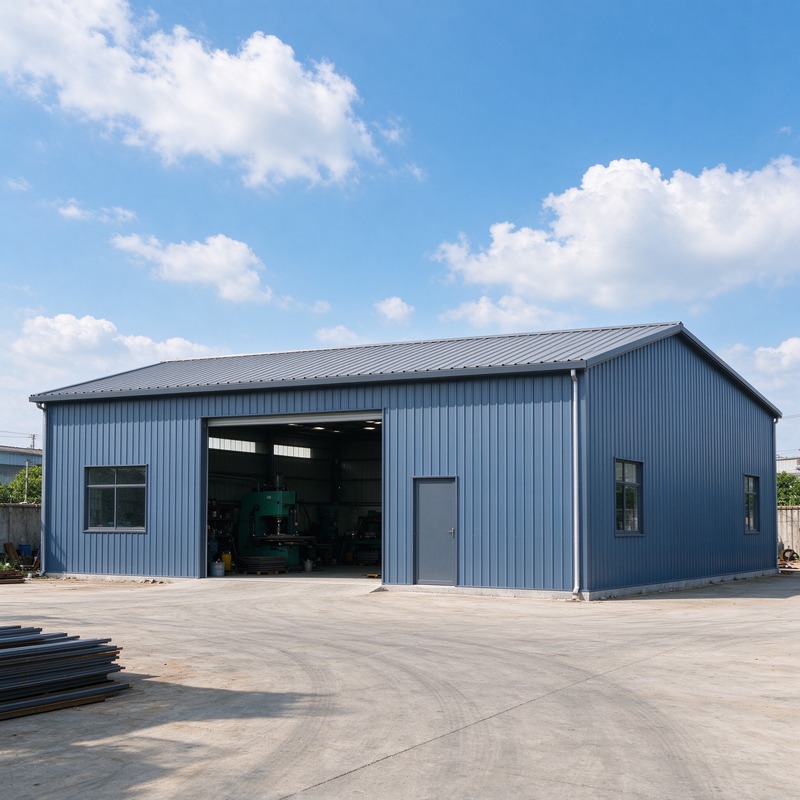
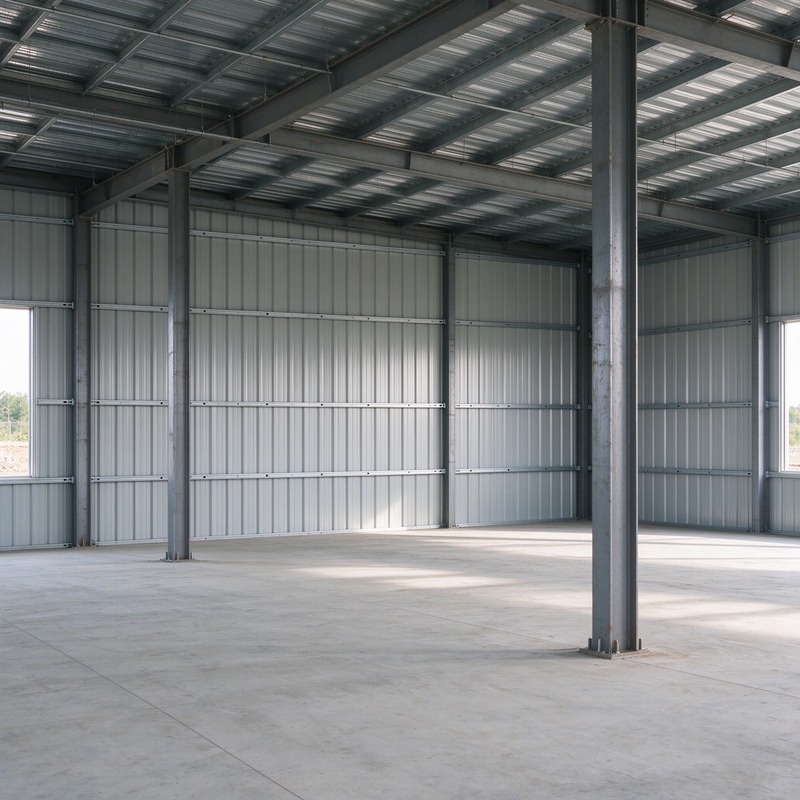
Prefabricated metal buildings are an efficient and versatile solution for various industrial, commercial, and residential applications. These structures, manufactured off-site and assembled on location, offer numerous benefits, including reduced construction times and lower labor costs. For B2B buyers, understanding the specifications, quality, and practical applications of prefabricated metal buildings is crucial in making informed purchasing decisions. This article will guide you through essential considerations when selecting prefabricated metal buildings and offer insights into evaluation, cost, installation, and application scenarios.
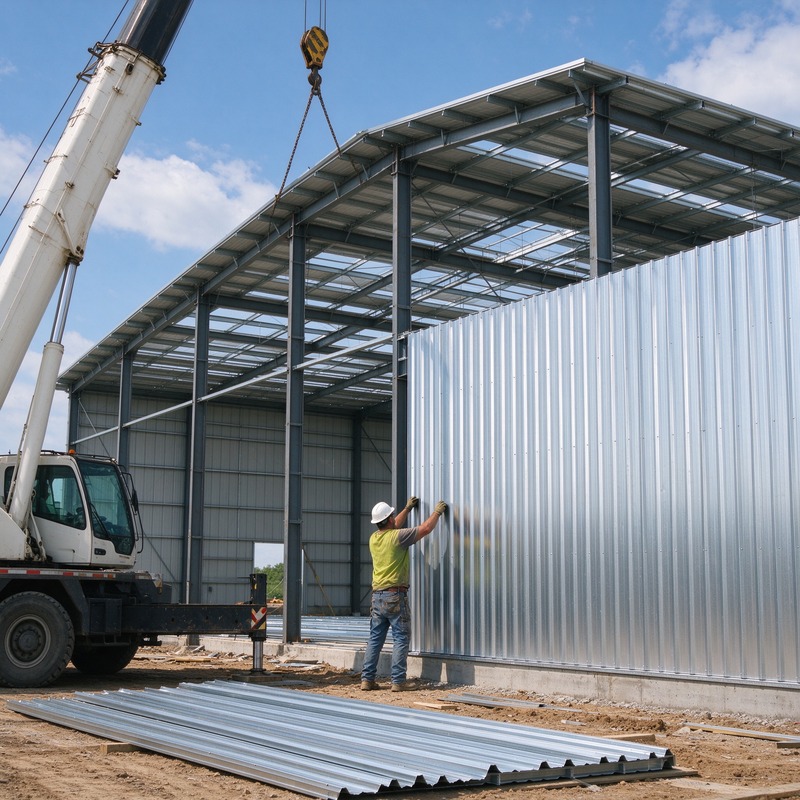
How to Evaluate Quality in Prefabricated Metal Building Suppliers?
Evaluating the quality of prefabricated metal building suppliers requires a systematic approach:
Experience and Reputation: Research the supplier’s history in the industry. A manufacturer with a solid reputation and extensive experience is likely to provide quality products. Look for customer testimonials and case studies to gauge satisfaction levels.
Certifications and Compliance: Verify that the supplier complies with relevant industry standards and possesses necessary certifications. This includes ISO certifications, which indicate adherence to quality management systems.
Quality Control Processes: Investigate the supplier’s quality control measures. Reliable manufacturers implement stringent testing and inspection protocols throughout the production process to ensure product integrity.
Material Sourcing: Understand where the raw materials are sourced. Suppliers that use high-quality, certified materials will likely produce more durable and reliable structures.
After-Sales Support: Assess the level of support offered post-purchase. This may include installation guidance, warranty details, and ongoing maintenance options.