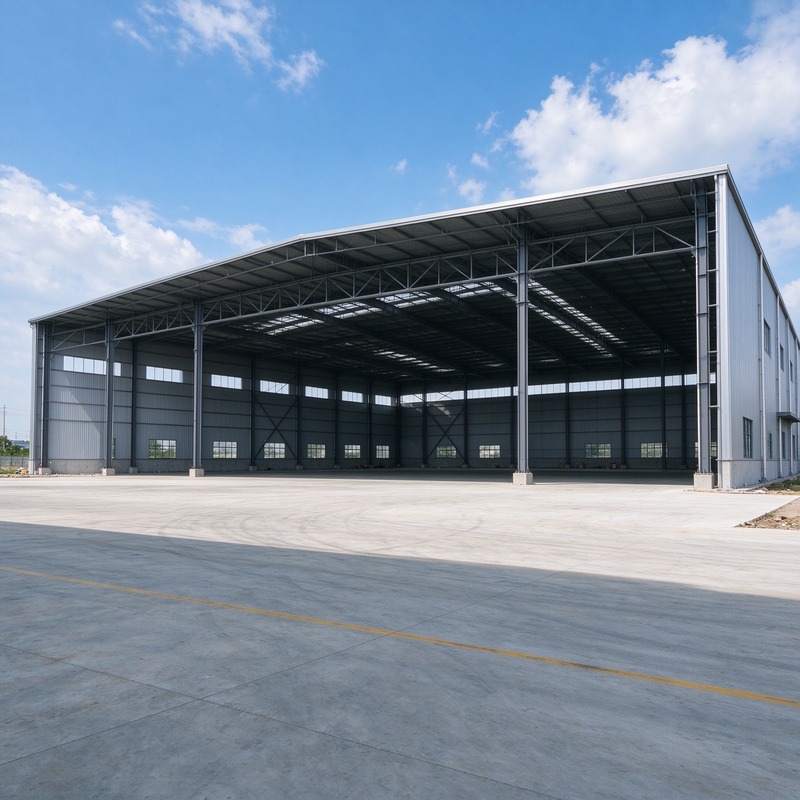
Key Specifications for Steel Building Structures

All Categories

steel building structures

Steel building  structures  are  integral to  various  industrial  applications,  providing robust  and  reliable frameworks for a  wide range  of facilities. For  purchasing  managers and engineers in industries such  as  construction, manufacturing, and logistics, understanding the specifications and sourcing considerations for these structures is crucial. This article will  address  essential factors to consider when evaluating steel building structures, helping you make informed  purchasing decisions that align with  your project requirements.
 
Sourcing Reliable Suppliers

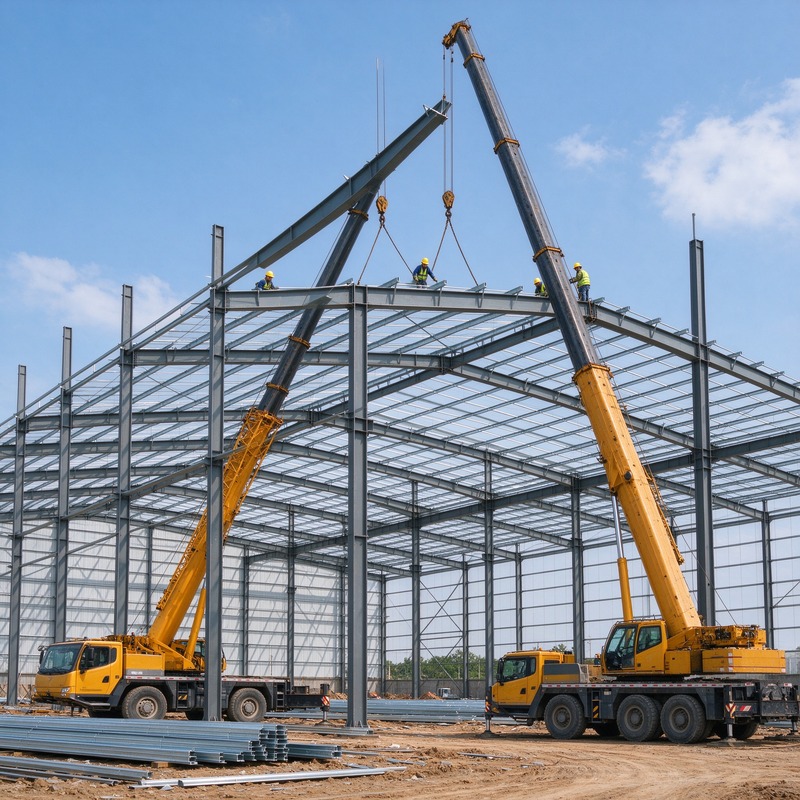
Sourcing Reliable Suppliers

Finding a trustworthy supplier for steel building structures involves several steps:

Research  and Reviews: Conduct thorough research on potential suppliers, checking their reputations in the industry. Customer testimonials and case studies can provide insights into their reliability and  quality.

Manufacturing Capabilities: Assess the supplier’s production  capacity  and capabilities, including  the technology used (e.g., CNC machinery and welding equipment).  A supplier  with advanced manufacturing  lines can often deliver higher  precision and quality.


Experience  and Expertise: Look for suppliers  with  substantial experience in steel structure manufacturing. Their knowledge  can lead  to better design recommendations and problem-solving  during  the procurement process.

Quality Control Processes: Inquire about  the supplier's quality  assurance processes. A robust quality control system ensures that products meet specifications consistently.

Communication and Support: Reliable suppliers should provide clear communication regarding timelines, production status, and any potential issues. Good support  can prevent delays and misunderstandings.
Quality and Cost Considerations

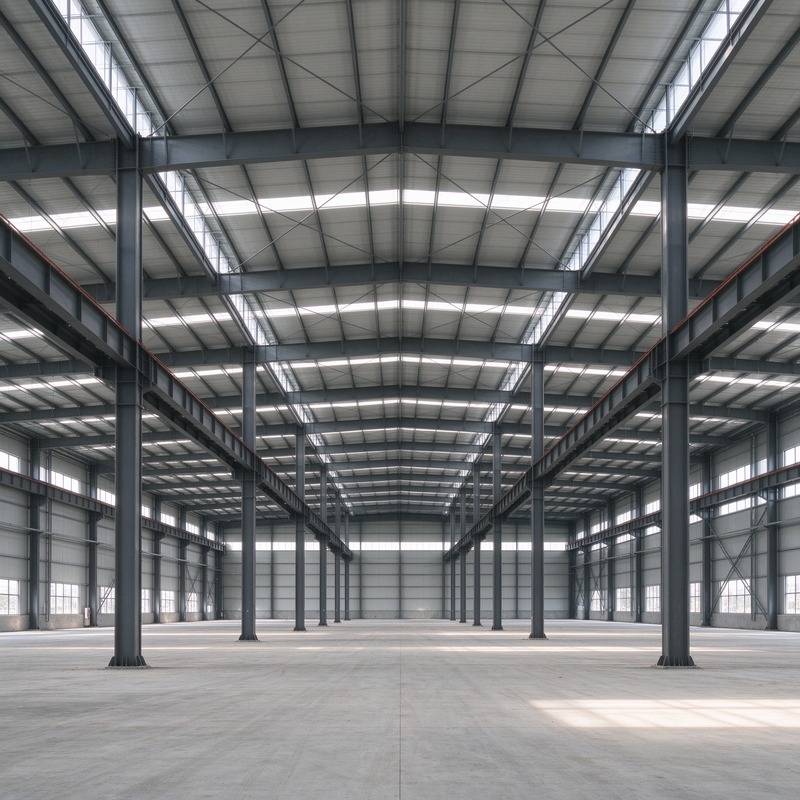
Quality and Cost Considerations

Balancing quality and cost is a  key concern for buyers of steel building structures. Here are some  factors to keep in mind:

Material Costs: The price  of steel fluctuates based on market conditions. Understanding current steel prices can help in  negotiations and budgeting.


Production Costs: Consider the costs associated with different production techniques. Customization and complex designs might increase production costs, so it’s essential  to evaluate  the trade-offs.

Long-term Value: While lower upfront costs may be appealing, consider the long-term value of investing in higher-quality materials and construction. Structures  that are more  durable and require less maintenance can  lead to significant savings over time.


Shipping and Handling:  Factor in logistics costs when sourcing materials  from  suppliers. Proximity to the supplier can  reduce shipping expenses and  lead times. For example, a Prefabricated Steel Structure Warehouse Building can greatly enhance logistical efficiency.


Payment Terms and Financing Options: Discuss  payment terms with suppliers.  Flexible financing options may be available, which can ease cash flow concerns during  large projects.

Common Problems with Steel Building Structures and Their Solutions

Common Problems with Steel Building Structures and Their Solutions

When working with steel building structures, several common issues may  arise. Here are solutions to some of these  challenges:


Corrosion: Steel is prone to  rust when exposed to moisture. To mitigate this,  ensure that protective coatings are applied during manufacturing. Regular maintenance and inspections can also  help catch corrosion before it becomes a  significant problem.

Misalignment during Assembly: Precision in fabrication  is crucial. If components are misaligned  during assembly, it can lead  to structural weaknesses. Conducting a thorough quality check of components before assembly can prevent  this  issue.


Inadequate Load-Bearing Capacity: If the structure cannot  support the required loads, it  can lead to failure. Buyers should evaluate load calculations and consult with engineers to ensure the design meets all specifications.

Design Changes: Changes to project requirements can impact existing designs. Ensure  that your supplier is flexible  and can accommodate changes  without significant delays or  additional costs.

Supply Chain Delays: Fluctuations in supply chains can cause delays. Work with suppliers who have  contingency plans in place to manage unforeseen disruptions effectively.

Applications of Steel Building Structures in Various Industries

Steel building structures have diverse applications across multiple  industries:

Manufacturing: Steel structures are extensively used in  manufacturing  facilities for their strength and adaptability. They  can accommodate large  machinery and heavy equipment while providing open spaces for workflow.

Warehousing and Logistics: The durability and scalability of steel buildings make them ideal for  warehouses. They can be  designed for  maximum storage capacity and easy  access for logistics operations.


Commercial and Retail: Many commercial buildings utilize  steel structures for their  aesthetic appeal and structural integrity. Retail spaces benefit from large, column-free interiors that  enhance customer experience.

Agriculture: Steel buildings are used for agricultural purposes, including barns and storage facilities. Their robustness allows them to withstand harsh environmental conditions.

Infrastructure: Steel structures are fundamental in  constructing bridges, stadiums,  and other  infrastructure projects. Their ability to bear heavy loads and resist  environmental stressors makes them suitable for these applications.

By understanding the specifications, sourcing reliable suppliers, considering quality and cost, addressing common problems, and recognizing the various applications,  B2B buyers can make informed decisions when procuring steel building structures. This approach ensures that  the final  product meets project needs while maintaining efficiency and safety.

Key Specifications for Buyers

When assessing steel building structures, buyers should  prioritize several key specifications:

Material Quality: The selection of steel grades—such as ASTM A36  for general structural  use or higher-grade steels like ASTM A992 for better  performance—affects strength,  durability, and corrosion resistance. The choice should align with the intended application and environmental factors.

Dimensions and Load Capacity: Understanding the required dimensions (width, height, and span) and load-bearing capacities is essential. Buyers must evaluate whether the structure can support intended  loads, including equipment, materials, and potential environmental factors such as  snow  or wind.

Fabrication and Finish: Buyers should consider the manufacturing processes  used, such as welding or bolting,  and the finishes applied to the steel. Protective coatings, such as galvanization, enhance corrosion resistance and  longevity. For instance, using a Galvanized Film Greenhouse Tunnel Plastic Grow Tunnel can provide additional benefits in specific applications.

Certifications and Standards: Ensure that the steel building structures comply with relevant local and international standards, such as ISO or ASTM certifications. This compliance  ensures quality and safety in construction.

Customization Options: Many manufacturers,  including Shenyang Haibo Weiye Light Steel Color Plate Co.,  Ltd, offer  custom designs to  meet  specific project needs. Discussing customization capabilities upfront can  lead to  better alignment  with project requirements.

Frequently Asked Questions

What types of steel structures do you produce?

We produce H section steel, box columns, beams, steel trusses, bridges, composite plates, color steel profiled plates and purlins for varied engineering needs.
Yes. We integrate design, production and sales to provide custom drawings, CNC precision cutting and tailored fabrication to client specifications.
We operate advanced steel structure production lines with CNC and welding support equipment enabling high-precision, high-volume manufacturing.
We serve diverse engineering scenarios across construction, industrial, agricultural and infrastructure projects requiring large annual output and reliable components.
Quality is ensured via controlled production processes, skilled welding/CNC operations and strict inspections. Large output capacity supports timely delivery for major projects.

Get a Free Quote

Our representative will contact you soon.
Email
Name
Company Name
Message
0/1000

Related product categories

Get a Free Quote

Our representative will contact you soon.
Email
Name
Company Name
Message
0/1000