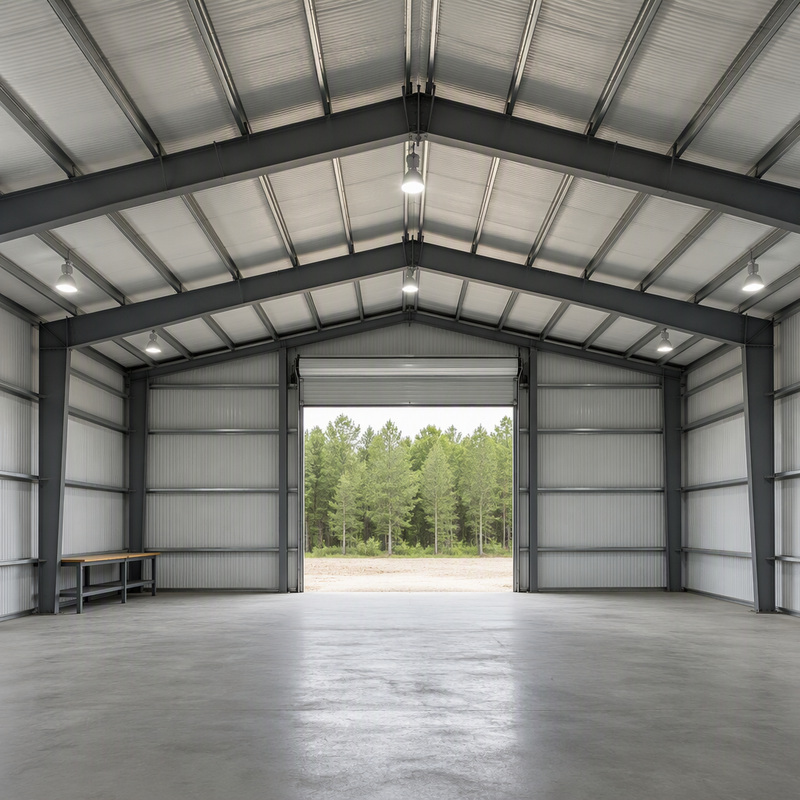
Key Specifications for Quality Steel Buildings

All Categories

steel buildings

Steel  buildings have become a popular choice for various  applications in  the manufacturing  and construction industries  due to their durability,  cost  efficiency,  and versatility.  When  considering  a steel building, B2B buyers—such  as purchasing  managers, engineers, and  product managers—often focus on factors like material quality, manufacturing  capabilities, and application suitability.  This article is designed to  help you navigate the  essential aspects of steel buildings, ensuring  you  make informed decisions that meet your specific requirements.
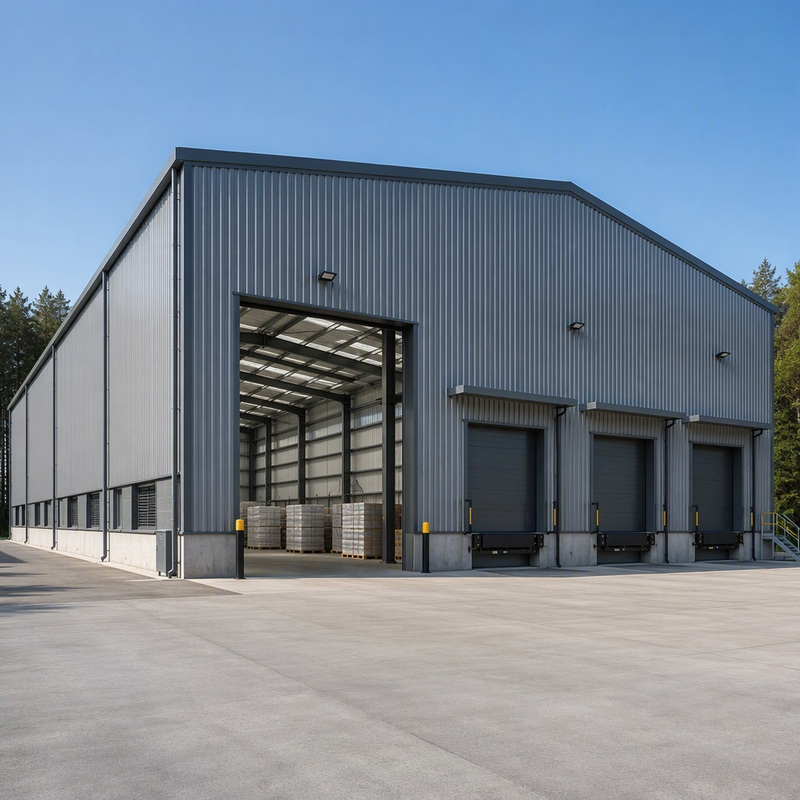
Where to Source Reliable Wholesale Steel Building Suppliers

Where to Source Reliable Wholesale Steel Building Suppliers

Finding a trustworthy wholesale supplier for steel  buildings is crucial for  ensuring quality and timely delivery. Here are some strategies to identify reliable suppliers:

Industry Associations: Joining  industry associations and attending trade  shows can help you connect with reputable manufacturers  and suppliers.  Organizations often provide directories of certified members, which can be a valuable  resource.

Online Research: Conduct thorough  online research to find suppliers with  strong reputations. Look for customer reviews, testimonials, and case  studies that demonstrate their expertise and reliability in delivering steel buildings.

Certifications and Compliance: Verify that potential suppliers hold  relevant certifications, such as ISO 9001  for quality management or industry-specific certifications. This indicates their commitment to maintaining high standards in manufacturing.

Request Samples or References: Before making  a decision, consider requesting samples of their products or  references from previous clients. This allows you to assess the quality of their steel buildings firsthand.

Assess Manufacturing Capabilities: Evaluate the supplier’s manufacturing capabilities, including their production  equipment and capacity. A supplier with advanced  technology, like CNC and welding  equipment, can offer greater precision and quality  in production.

By utilizing these strategies, you can source reliable wholesale suppliers for steel buildings that  meet your project’s needs.
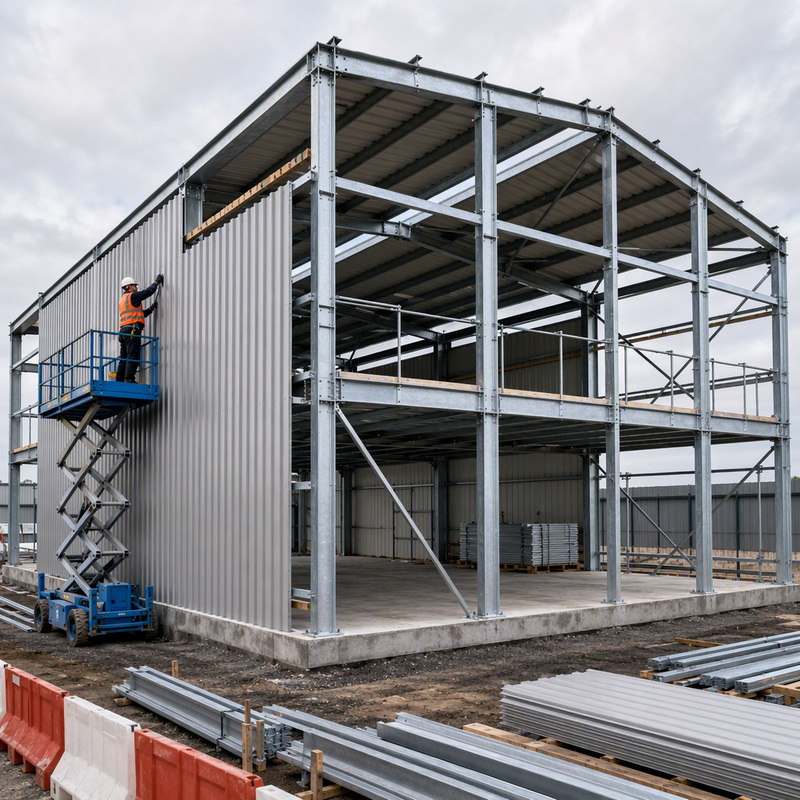
Best Practices Explained

Best Practices Explained

Implementing best practices when purchasing steel buildings can lead to enhanced  quality and satisfaction. Here are some recommended practices:

Detailed Specifications: Provide comprehensive specifications  when requesting  quotes. Specify dimensions, materials, load capacities, and any custom requirements.  This clarity  helps suppliers provide accurate quotes and  reduces the risk  of errors.

Sample Approval: Before mass production, always approve a finished sample. This allows you to confirm dimensions, surface appearance, and overall performance. Testing the sample under real operating conditions can reveal potential issues that may not be apparent from blueprints alone.

Quality Control Processes: Inquire about  the supplier's quality control processes. A reliable manufacturer  will have rigorous inspection protocols in  place throughout the production process to ensure  consistency and quality.

Clear Communication: Maintain open communication with your supplier throughout the project. Regular updates on production  timelines and any potential changes can help manage expectations and ensure a smoother experience.

Post-Purchase Support: After purchasing, consider the  level of post-sale support offered by the  supplier.  Reliable  suppliers should provide assistance  with installation and answer any queries regarding maintenance or usage.


By following these best practices, you can minimize risk and ensure a successful procurement  process for your steel buildings.

Exploring Various Applications of Steel Buildings in Different Industries

Exploring Various Applications of Steel Buildings in Different Industries

Steel buildings are utilized across a range of industries due to their flexibility and  strength. Here are some common applications:

Industrial Facilities: Steel  buildings are  ideal for manufacturing plants, warehouses, and distribution centers. Their large open spaces allow for efficient workflows and can accommodate heavy machinery.

Commercial Spaces: Retail outlets and office complexes benefit from  the  aesthetic appeal and durability  of  steel structures. They can be designed with large glass facades and open layouts, enhancing  customer experience.


Agricultural Structures: Steel buildings provide robust solutions  for barns, storage facilities, and livestock shelters. Their ability to withstand  harsh weather conditions makes  them suitable for  agricultural applications. For example, consider the Prefabricated Steel Structure Poultry House Farm Broiler Layer Chicken House for your farming needs.

Recreational Facilities: Gyms, sports complexes, and community centers often  utilize steel buildings for their expansive interiors  and quick construction timelines.


Residential Construction: Increasingly, steel is  being used in residential projects for homes and multi-family  units,  offering unique design options and durability.

Understanding these applications can help you choose the right type of steel building for your specific industry  needs.

Expert Tips for Evaluating Steel Building Quality and Durability

Assessing  the quality and durability of steel buildings is essential for ensuring long-term  performance.  Here  are some expert tips to  guide your evaluation:

Inspect  Material Certifications: Request material certifications from the manufacturer  to verify  the properties  and quality of the steel used in construction. Look for evidence  of  compliance with industry standards.

Check for Galvanization: If corrosion  resistance is  a concern, ensure that the steel components are hot-dip galvanized or treated appropriately. This process significantly improves the lifespan of the steel in various environments.

Evaluate Welding Quality: Inspect the welding quality of steel connections. Quality welds should appear smooth  and uniform without excessive spatter or gaps. Poor welding can compromise structural integrity.

Review Structural Design: Consult with your engineering team to review the structural design of the building. Ensure that it is designed to withstand applicable loads and environmental conditions  based on its intended use.

Ask about Warranty and Support: A reputable manufacturer  will offer  warranties that  cover defects in materials or workmanship. Understanding the terms of the warranty can provide peace of mind regarding the durability of the  building.

By applying these evaluation techniques, you can better assess the quality of steel buildings and make informed purchasing decisions.

Key Specifications to Consider for Quality Steel Buildings

When evaluating steel  buildings, several key specifications should be prioritized:

Material Type: Most steel buildings are constructed from  high-strength steel, which provides excellent tensile strength and durability. Ensure that the steel grade is suitable for your  application, as  this affects load-bearing capacity and resistance to environmental conditions.

Dimensions: The dimensions of the steel sections, including the height,  width, and length, must be specified according to your project requirements. Customization options may be available, allowing you to optimize the structure for specific  applications.

Load Capacity: It's crucial to assess the  load-bearing capacity of the steel building, which  includes  both dead loads (the weight of  the  building materials) and live  loads (occupants and equipment). This specification helps ensure the structure can safely support intended use.

Corrosion Resistance: Depending  on the environment, consider the need for protective coatings or treatments to enhance corrosion resistance. This is particularly important in industries exposed to moisture or harsh  chemicals.

Fabrication Standards: Verify that the manufacturer adheres to recognized fabrication  standards,  such as ASTM or ISO certifications, to ensure quality  and consistency in production. For example, the Portal Frame Rigid Bent Pre-engineered Steel Column and Rafter is a great option to consider for structural integrity.

By focusing on these specifications, you can ensure that the  steel building you choose meets your operational  and safety requirements.

Frequently Asked Questions

What types of steel buildings do you produce?

We produce H section steel, box columns, beams, steel trusses, bridges, composite plates, color steel profiled plates and purlins for various steel building types.
Yes. We integrate design, production and sales and can create custom designs to meet specific engineering requirements and site conditions.
We have advanced steel structure production lines and CNC and welding support equipment enabling large annual output and precise fabrication.
We serve diverse engineering scenarios including industrial workshops, warehouses, bridges, and other large-scale structural projects across Northeast China and beyond.
Quality is controlled via modern production lines and skilled technicians. Efficient workflows and high capacity support reliable lead times and consistent product standards.

Get a Free Quote

Our representative will contact you soon.
Email
Name
Company Name
Message
0/1000

Related product categories

Get a Free Quote

Our representative will contact you soon.
Email
Name
Company Name
Message
0/1000