
Choosing Steel Prefab Buildings: A Comprehensive Guide

All Categories

steel prefab buildings

Steel prefab buildings are engineered structures  made from steel components that are manufactured off-site and assembled on-site.  These buildings offer  a versatile solution for  various applications, including  commercial, industrial, and manufacturing facilities. As a B2B  buyer,  your  main concerns may  revolve around cost, durability, lead times,  and the overall suitability for  your specific project requirements.  This article  will guide  you through the critical considerations when choosing  steel prefab buildings, sourcing suppliers, best practices, and  common  challenges, enabling you  to make an  informed purchasing  decision.
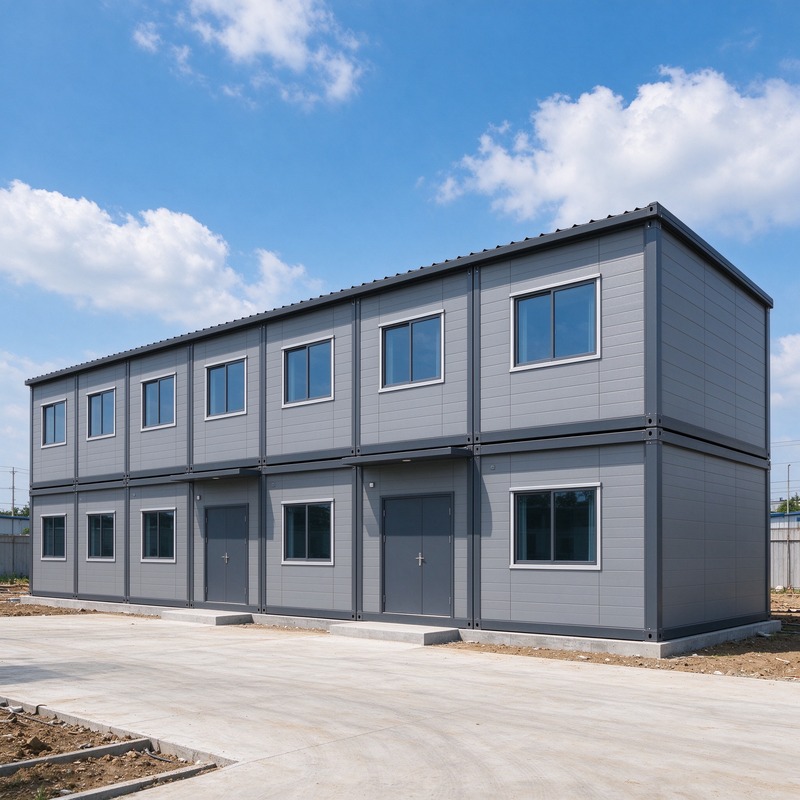
Where to Source Reliable Steel Prefab Building Suppliers Wholesale

Where to Source Reliable Steel Prefab Building Suppliers Wholesale

Finding reliable  suppliers for steel prefab buildings requires thorough research  and  evaluation. Here are some effective strategies:

Industry  Directories and Trade Shows: Use industry directories and attend trade shows to identify potential suppliers.  Exhibitions can  provide direct access to manufacturers showcasing their capabilities and product offerings.

Supplier Vetting: Assess suppliers by looking at their  production capabilities,  certifications, and past  projects. Requesting references or case studies can provide insights into their  reliability and  quality of  work.

Online Marketplaces: Platforms like Alibaba or ThomasNet can be useful for connecting with manufacturers. However, ensure that you perform due diligence by checking reviews and verifying company credentials before proceeding.

Local Associations: Engage with local industry  associations or  chambers of  commerce that may  have recommendations  for reputable suppliers  in your  region.

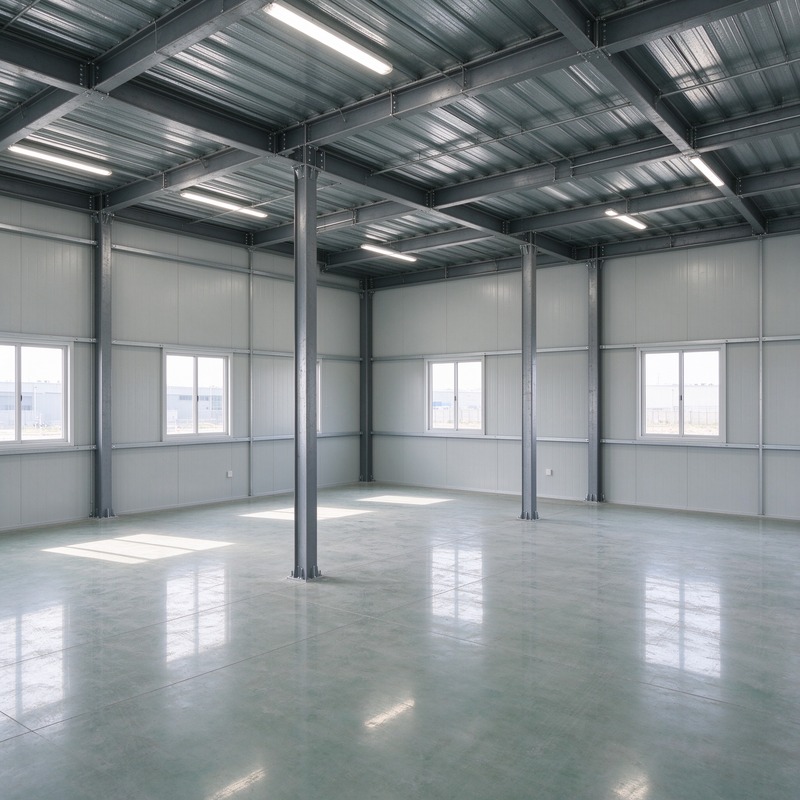
Customization Capabilities: Discuss your specific project  requirements with potential suppliers to gauge their ability to provide customized solutions, which can be crucial for unique projects. For instance, many suppliers offer solutions like Prefabricated Steel Structure Warehouse Building tailored to specific needs.
A Buyeru2019s Guide

A Buyeru2019s Guide

When preparing for  a purchase of steel prefab buildings, consider compiling the following information to streamline the process:

Project Specifications:  Outline the  size, design, and specific features  required for your building. Material Preferences: Specify the type of steel and any coatings or finishes desired, which can affect both cost and durability. Quantity:  Determine how many  units are needed, as many suppliers have minimum  order quantities (MOQs) that could  impact pricing. Application Purpose: Clearly define  the intended  use of the building to ensure  it meets  structural  and  functional requirements. Budget: Have a clear budget  in  mind, including  considerations for shipping,  installation, and any future  modifications  or expansions. Timeline: Provide your expected timeline for delivery and installation, which helps suppliers align their production schedules accordingly.
Best Practices

Best Practices

Implementing best practices can significantly enhance your experience  when working with steel prefab buildings:

Sample Approval: Always  request a  sample or a  mock-up of critical components before finalizing  your  order. This can help ensure  that the materials  and construction meet your quality expectations.

Regular Communication: Maintain open lines of communication with your supplier throughout the process. Regular updates will help you address  any concerns promptly and  keep the project on schedule.

Quality Inspections: Before the final delivery, conduct thorough inspections of the prefab components to verify their  quality and compliance with your specifications. This can prevent costly issues during  assembly.

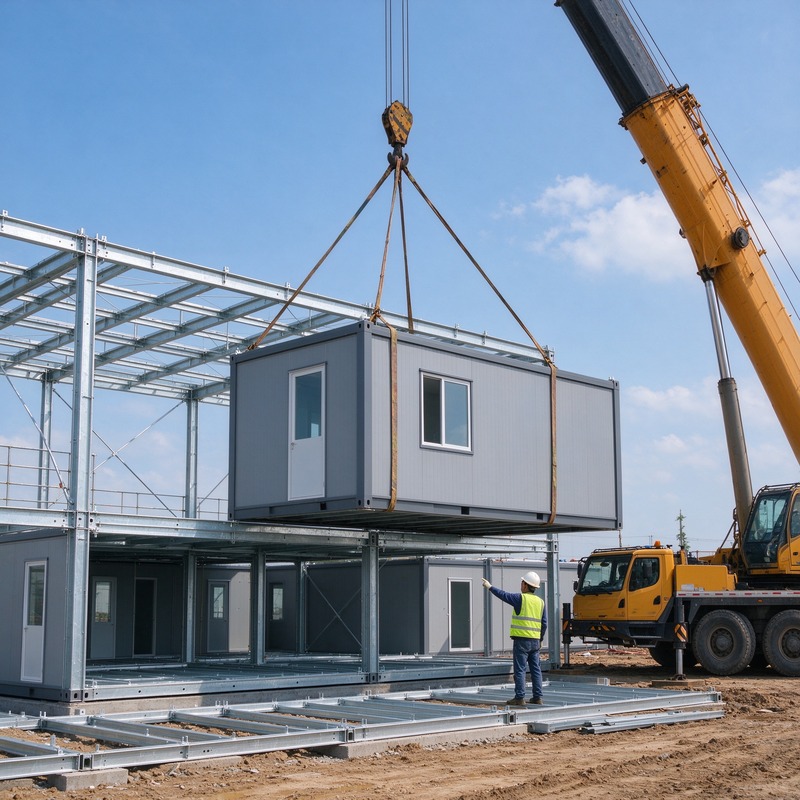
Plan for  Installation:  Coordinate with your supplier  regarding installation  requirements. Understanding who will handle the assembly  and  what equipment is  needed can streamline the process.

Documentation: Keep detailed records of all communications, agreements, and specifications. This  documentation can be invaluable in case of disputes or quality concerns.

Common Problems in Steel Prefab Building Projects and Their Solutions

While steel prefab buildings offer many advantages, several common problems can  arise  during projects:

Misalignment of Components: This can occur during assembly if measurements  are not precise. To mitigate this risk, ensure that all components are accurately measured and marked before assembly begins.

Material Deficiencies: Occasionally, materials  may not meet  the specified standards. Buyers should conduct quality inspections upon receipt of materials and before construction begins to identify  any discrepancies early on.

Supply  Chain Delays: Delays in  the supply chain can affect project timelines. To alleviate this, establish clear deadlines  with your supplier and consider sourcing additional suppliers for critical components.


Weather Impacts:  Outdoor  construction can be affected by weather conditions. Planning for  potential delays and having contingency plans can help manage these risks.

Regulatory Compliance Issues: Failure  to  adhere to  local building codes  can result in fines or the need for costly modifications. Engage with local authorities early in the planning process to ensure  all  regulations are met.

By focusing on these areas, you can  navigate the complexities of sourcing and implementing steel prefab buildings more effectively, resulting in a successful project outcome.

What to Consider When Choosing Steel Prefab Buildings for Projects

When selecting  steel prefab  buildings for your project, several  factors should be taken into account:

Material Specifications: The type of steel used in the construction, such as  galvanized or painted steel, affects both the durability and aesthetic appeal of the building. For instance, galvanized steel provides excellent resistance to corrosion, making it suitable for outdoor applications.

Design Flexibility: Determine whether the building design meets your space requirements and layout  preferences. Prefab structures  can be customized in  terms of dimensions, height,  and internal configuration, allowing for a tailored fit to your operational needs.

Load-Bearing Capacity: Understand  the load requirements for your specific use case. Steel prefab  buildings must be engineered to  support the anticipated weight from equipment, occupants, and any additional installations.

Building Codes and Regulations:  Ensure that the prefab building complies with local  building codes and safety regulations. This is  crucial, as non-compliance can lead to project delays and increased costs.

Energy Efficiency: Consider buildings that  incorporate insulation and energy-efficient  designs to reduce operational costs over time. This can include thermal insulation in walls  and roofs, which is particularly important in regions with extreme temperatures.

Lead Time and  Production Capacity: Evaluate the supplier's  ability to meet your  project timeline. Understanding their production capacity and any potential delays can help you plan your project more effectively.

Frequently Asked Questions

What types of steel prefab buildings do you offer?

We supply H-section steel buildings, box columns, beams, steel trusses, composite panels, color steel profiled plates and purlins for industrial, commercial and agricultural projects.
Yes. We integrate design, production and sales and can create customized steel prefab building designs to meet specific dimensions, loads and site requirements.
We use advanced steel structure production lines, CNC machines and welding equipment to ensure precise fabrication and consistent quality for large-volume projects.
We produce components using industry-grade steel and follow strict production controls to meet structural strength, durability and corrosion resistance requirements for varied engineering uses.
As a major Northeast China processor with large annual output, we offer scalable production. Lead time depends on project size; contact us with project details for an accurate timeline.

Get a Free Quote

Our representative will contact you soon.
Email
Name
Company Name
Message
0/1000

Related product categories

Get a Free Quote

Our representative will contact you soon.
Email
Name
Company Name
Message
0/1000