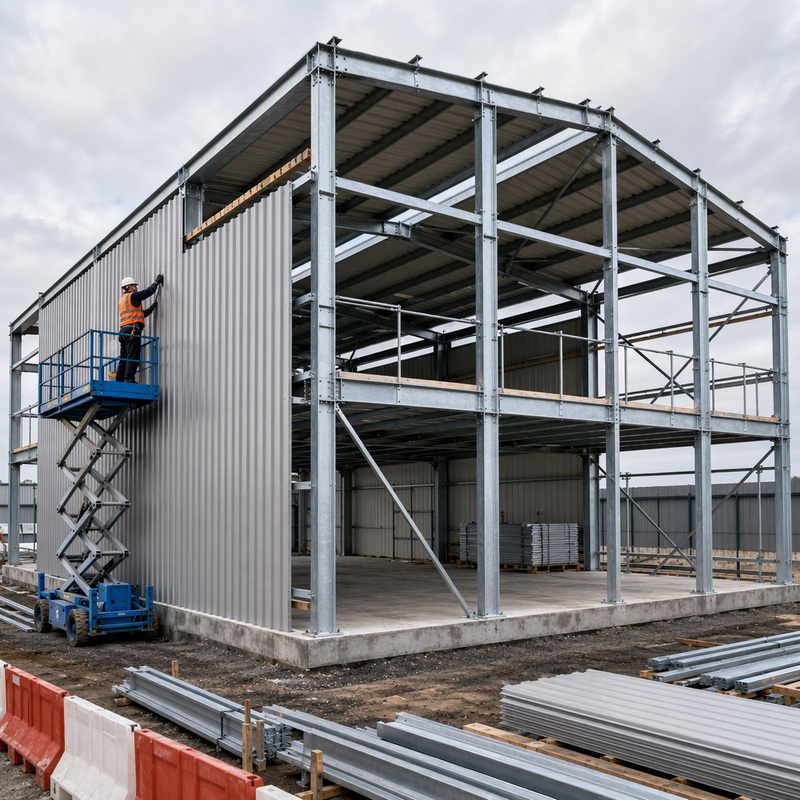
Choosing Steel Metal Buildings for Your Projects

All Categories

steel metal buildings

Steel  metal buildings are a popular choice  for a variety  of industrial and commercial applications, thanks to  their durability, flexibility,  and  cost-effectiveness. As a  B2B buyer,  you might  have specific concerns  regarding the specifications, sourcing, and  applications of these structures.  This article aims  to provide you with practical  insights into  selecting  the right steel metal buildings for your projects, covering everything from key specifications to  best practices  in sourcing  and  application.
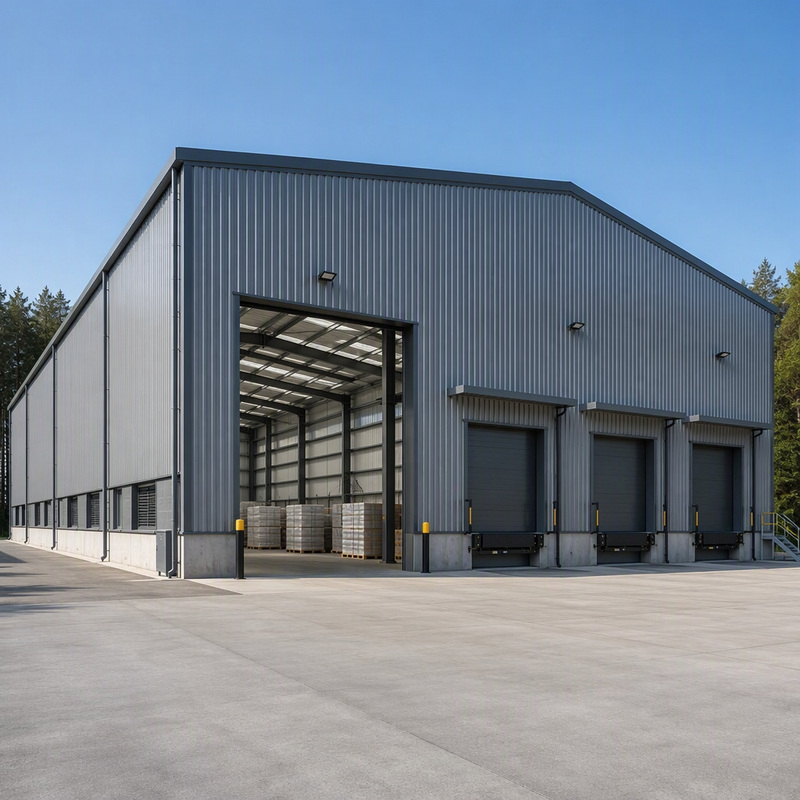
Key Specifications of Steel Metal Buildings for Wholesale Buyers

Key Specifications of Steel Metal Buildings for Wholesale Buyers

For wholesale buyers,  understanding the key specifications  of  steel metal buildings is vital for making informed purchasing decisions. Here are some of the most  important  specifications to consider:

Material  Grade:  Different grades of steel, such as mild  steel or high-tensile steel, offer varying strength and corrosion resistance. The choice  will depend on the building's intended use and environmental conditions.

Thickness: The thickness of steel members impacts their strength and durability. A common thickness for structural components ranges from 6mm  to 12mm, but this can vary based on specific load requirements.

Dimensions:  Custom dimensions can often  be accommodated, but standard  sizes may be more cost-effective. Consider the dimensions not only for the  building's footprint but also for interior space planning.

Coating Options: Protective coatings can  enhance durability, especially  in harsh environments. Options include galvanization for corrosion resistance or powder coating for aesthetic appeal.

Production Capacity:  Understanding a supplier's production capabilities is essential. Suppliers like Shenyang Haibo Weiye, with advanced production equipment, can offer insights into their capacity to meet your project timelines.

These specifications directly affect the cost and performance  of the building, so ensure they align with  your project requirements.
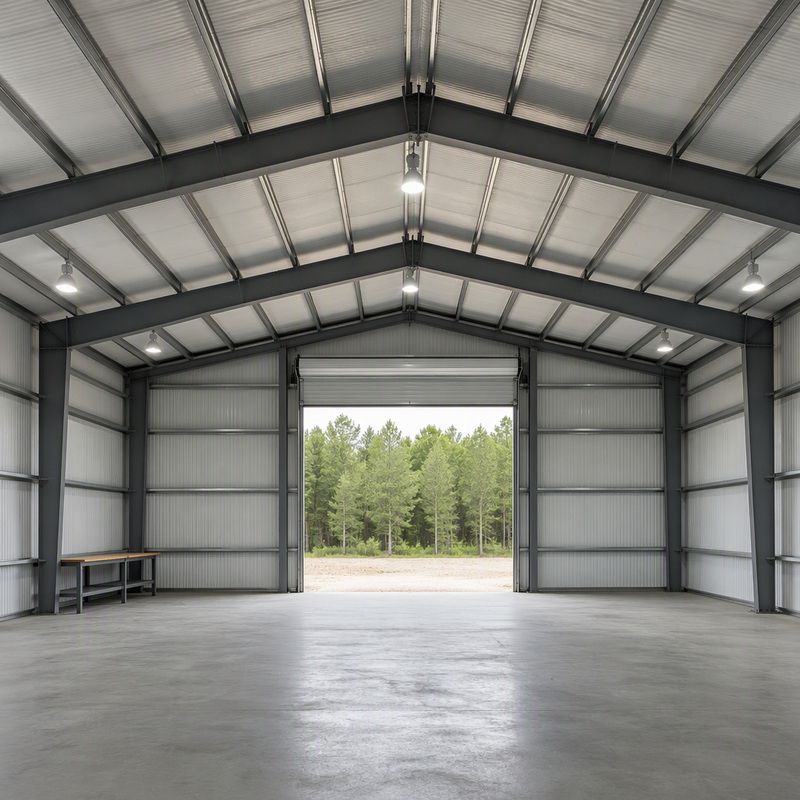
Where to Source Reliable Steel Metal Building Suppliers

Where to Source Reliable Steel Metal Building Suppliers

When sourcing suppliers for steel metal buildings, prioritize those with  a proven track record  and industry experience. Start by researching  manufacturers known for  their quality and range of products. Suppliers like Shenyang Haibo Weiye have established themselves as key processors in Northeast China, providing a diverse array of steel structures, including beams and trusses.

Consider the following factors when evaluating  suppliers:

Certifications: Look for suppliers with  relevant industry certifications,  which indicate  adherence to quality and safety standards.

Customer  Reviews: Feedback  from previous  clients can provide insights into a supplier's  reliability and product performance.

Customization Capabilities: Ensure  the supplier can accommodate specific project requirements, whether  in design or material specifications.

Lead Times: Inquire about production schedules and delivery timelines to ensure they align with your project deadlines.

After-Sales Support:  A supplier that offers  robust  after-sales support  can be invaluable, especially  for large-scale projects.

By focusing on  these criteria, you can find a reliable partner that meets your needs.

Best Practices

Best Practices

To ensure a successful procurement process for steel metal buildings, follow  these best practices:

Request Detailed Quotes: Provide potential suppliers with comprehensive  project  details, including dimensions, materials, and intended use.  This helps in receiving accurate quotes.

Inspect Samples: Before finalizing orders, request samples to evaluate material quality and workmanship. This step  can prevent costly mistakes during mass production.

Establish Clear Communication: Maintain open  lines  of communication with your supplier throughout the procurement process. Clear discussions  can address concerns or modifications promptly.

Evaluate Quality  Control  Processes: Inquire  about the supplier's  quality control measures. A  rigorous inspection  process ensures that all components meet the required specifications.

Plan for Installation: Discuss installation requirements and any additional support the supplier offers.  Understanding the installation process can help  you budget accordingly.

Implementing these practices can enhance the efficiency of your  procurement  process and ensure that the final product meets your expectations.

Applications of Steel Metal Buildings in Various Industries

Steel  metal buildings are versatile and find applications across various industries. Here  are some significant uses:

Manufacturing  Facilities: These buildings can be designed to accommodate heavy machinery and high production volumes, making them ideal for manufacturing operations.

Warehousing: Steel structures provide  robust and flexible storage solutions. Their  large span  capabilities allow for maximum usable space without the need for internal columns.

Commercial Spaces: From retail outlets to office buildings, steel metal buildings can be customized to meet aesthetic and functional needs, offering a modern look and energy efficiency.

Agriculture: Agricultural operations often require storage  for equipment and products. Steel buildings can withstand harsh weather conditions,  making them suitable for barns and storage sheds.

Recreational  Facilities:  Sports complexes  and community  centers benefit from the spaciousness and durability  of  steel structures, allowing for versatile  uses.

Each of these applications requires  careful consideration of design and material specifications to ensure the building meets its intended function effectively. By understanding the potential applications, buyers can make more informed decisions  regarding their needs.

Selecting the right steel metal buildings for your projects involves careful consideration of specifications,  sourcing practices, and applications. By focusing on quality  and engaging with reputable suppliers, you can ensure that your investments lead to successful and enduring structures.

What to Consider When Choosing Steel Metal Buildings for Projects

When selecting  steel metal buildings for your projects, several factors come into  play. First,  consider the intended use of the building. Will it be used for warehousing, manufacturing, or as an  office space? Each  application may require different  design specifications.

Next, evaluate the structural requirements. This includes load-bearing capacity, dimensions, and height restrictions. For example, if the building will house  heavy machinery, you will need a design that can support the weight and provide adequate clearance.

Material selection  is also crucial. Steel quality can vary, so seek options that provide corrosion resistance and structural integrity. A manufacturer  like Shenyang  Haibo  Weiye Light Steel  Color Plate Co., Ltd., known for producing high-quality H section steel and composite  plates, can provide insights into  suitable materials for your project.

Finally, don’t overlook  local building codes and regulations. Ensure that  the  chosen design complies with zoning laws and safety  standards. Engaging with a supplier who understands these regulations can save you time and potential legal issues.

Frequently Asked Questions

What types of steel metal buildings do you supply?

We supply prefabricated steel buildings including H-section frames, box columns, beams, steel trusses, bridge components, composite panels, color profiled sheets and purlin systems for industrial, commercial and agricultural projects.
Yes. We provide integrated design services using advanced production lines and CNC equipment to create customized layouts, load calculations and material specifications to meet project requirements.
We use H-section steel, boxed columns, high-strength beams, steel trusses and certified color coated profiled plates, produced under strict welding and CNC controls to ensure durability and compliance with regional engineering standards.
As a major processor in Northeast China with large annual output, typical lead times depend on order size; small orders ship within weeks, larger engineering projects require coordinated timelines—contact us for precise scheduling.
We provide technical guidance, installation drawings and after-sales support. For complex projects we can advise on erection, welding details and maintenance to ensure long-term performance.

Get a Free Quote

Our representative will contact you soon.
Email
Name
Company Name
Message
0/1000

Related product categories

Get a Free Quote

Our representative will contact you soon.
Email
Name
Company Name
Message
0/1000