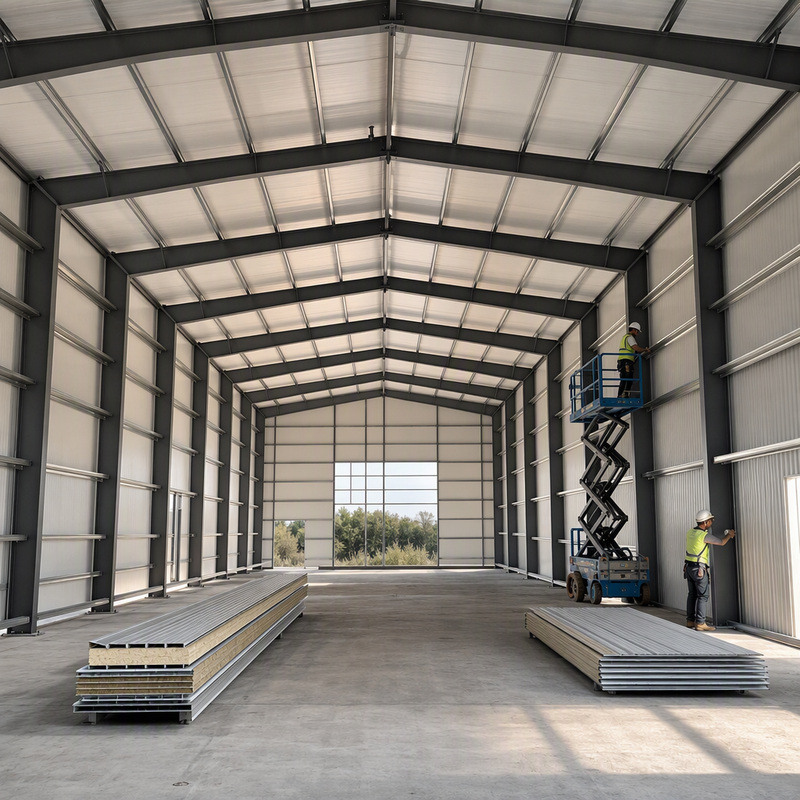
Sourcing Quality Construction Steel Buildings

All Categories

construction steel buildings

When sourcing construction steel buildings,  decision-makers in the  manufacturing and  construction  industries face  several  challenges, including selecting reliable  suppliers,  comparing specifications,  and understanding cost factors. Construction steel buildings are integral  to various applications,  including  commercial and  industrial  structures, and finding the right supplier and product specifications  can  significantly  impact project success.  This article will provide insights  into sourcing, comparing, and evaluating construction steel buildings, empowering buyers  to make informed decisions.
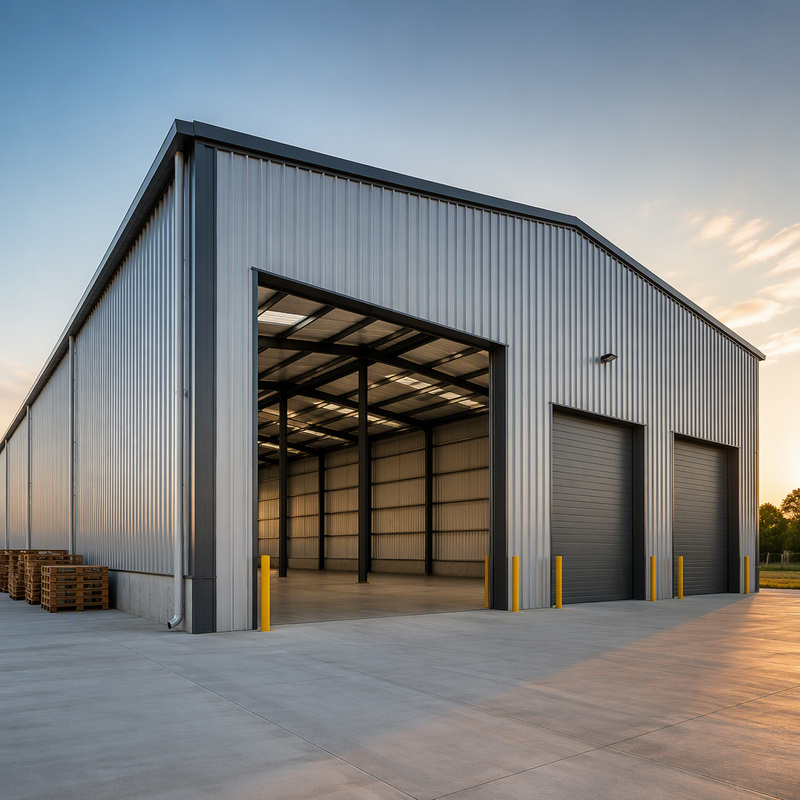
Comparing Specifications of Construction Steel Buildings for Bulk Orders

Comparing Specifications of Construction Steel Buildings for Bulk Orders

When comparing specifications of construction steel buildings for bulk orders, several critical factors must be assessed:

Material Quality: Verify the steel  grades  used, as they directly affect the structural integrity and durability of the buildings. Common materials include mild steel and high-strength steel;  each has its  advantages depending  on the application.

Dimensions and Load  Capacity: Ensure that the dimensions of beams, columns, and trusses meet project specifications. Load capacity is  crucial for safety and  compliance with local building codes. Request detailed load charts and  structural calculations from suppliers.


Fabrication Techniques: Understanding the  manufacturing process, such as CNC machining and welding techniques, will help identify potential  quality issues.  Suppliers with advanced fabrication capabilities are often more  reliable.

Surface Treatments: Evaluate the surface treatments offered, as they can enhance corrosion resistance and overall longevity. Common treatments include galvanization and painting, which should be  specified according to the project's environmental conditions.

Compliance and Certifications: Ensure that the products meet relevant industry standards and  certifications,  such  as ISO  or CE marks, which indicate compliance with safety and quality protocols.

By systematically comparing these specifications, buyers can make informed decisions  that align with their project requirements.
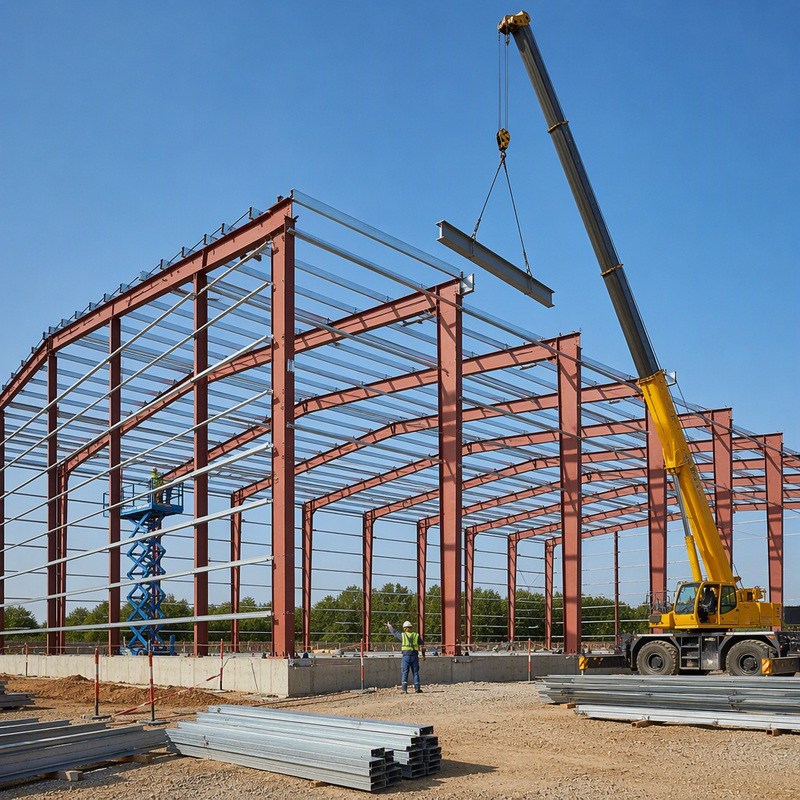
Cost Factors to Consider When Purchasing Construction Steel Buildings

Cost Factors to Consider When Purchasing Construction Steel Buildings

Understanding  the cost factors associated with purchasing construction  steel buildings is crucial for budget management.  Key considerations include:

Material Costs: The price of raw materials,  particularly steel, fluctuates based on market conditions. Buyers should monitor prices and consider locking in rates  with suppliers to mitigate future cost increases.


Manufacturing and Labor Costs: The complexity of fabrication processes can influence pricing.  More intricate  designs may incur  higher labor costs, so  it’s essential to discuss these with  potential suppliers upfront.


Transportation and Logistics:  Shipping  costs can vary significantly based on distance and  the mode of transportation. Ensure that logistics are factored into the total cost,  particularly for bulk orders, as bulk shipping can lead to cost savings.

Customization: Custom solutions typically come at a premium. Be clear about your needs when  discussing pricing to avoid unexpected costs.

Volume Discounts: Suppliers  often provide discounts for bulk orders.  Understanding the minimum order quantities (MOQs) and negotiating terms can lead to significant savings.


By carefully evaluating these cost factors, buyers can better prepare for budgeting and financial planning in their projects.

Key Applications of Construction Steel Buildings in Various Industries

Key Applications of Construction Steel Buildings in Various Industries

Construction steel buildings are versatile and find applications across a range of industries:

Commercial Construction: Steel buildings  are commonly used for warehouses, retail spaces, and office  buildings due to their durability and  quick assembly  times.


Industrial Applications: Factories and manufacturing plants benefit  from steel buildings'  structural integrity, allowing for large open spaces without the need for interior supports.


Infrastructure  Projects: Bridges  and  large-scale public structures often  rely on steel's strength and flexibility,  ensuring safety and longevity.

Agricultural Uses: Steel buildings are also popular in agriculture for storage facilities, barns,  and processing plants, where durability against environmental conditions is  essential.

Sports and  Recreation: Gyms, arenas, and recreational facilities utilize steel  structures for their ability to span  large areas without internal columns, maximizing usable space.  Additionally, a Covered Steel Riding Arena can be a great investment for recreational purposes.

Understanding these applications helps buyers align their  purchasing decisions with the specific needs of their  industry.

Evaluating Quality Control in Construction Steel Buildings Manufacturing

Quality control is a pivotal aspect of manufacturing construction steel buildings. Buyers should inquire about the following quality assurance practices:

Material Testing: Ensure that materials are tested for tensile  strength,  yield strength, and ductility. Reliable suppliers will provide documentation  of these tests.

In-Process  Inspections:  Confirm that the manufacturer conducts inspections during the production process.  This includes examinations  of welds, dimensions, and surface finishes to catch issues early.

Final Quality Checks: Before shipment, a  final inspection should be performed  to ensure all specifications are met. This can include dimensional checks and visual inspections for surface defects.

Traceability: A robust traceability system allows manufacturers to track the  origin of materials and  the production process. This is vital for accountability and addressing any potential quality issues.

Certifications: Look for suppliers with quality management  certifications,  such as ISO 9001, which  demonstrate a commitment to maintaining high-quality standards throughout  the  manufacturing process.

By thoroughly evaluating these quality control measures, buyers  can mitigate risks associated with material  failure and  ensure the reliability of their construction steel buildings.

By approaching the procurement of construction steel buildings with careful consideration of supplier reliability, specifications, cost factors, applications, and quality control, buyers  can make informed decisions that lead to successful project outcomes.

Where to Source Reliable Suppliers for Construction Steel Buildings

Sourcing reliable suppliers for construction steel buildings involves thorough research and  evaluation. Start by identifying manufacturers with a  solid  reputation in  the industry,  such  as Shenyang Haibo Weiye Light Steel  Color Plate Co., Ltd, known for its advanced production capabilities and high  annual output. Look for suppliers  that offer a comprehensive range  of products, including H section steel, box columns, beams, and  steel trusses, to ensure you can meet diverse  project needs.

Recommendations from industry peers, online marketplaces, and trade shows can also provide valuable leads. It's  essential to  assess suppliers based on their experience,  quality certifications, and customer reviews. Moreover,  consider suppliers who can offer  customization options  to meet specific project requirements, as this flexibility can  be  a significant advantage in competitive bidding situations. For example, utilizing a Prefabricated Steel Structure Warehouse Building can greatly enhance efficiency in your project.

Frequently Asked Questions

What types of construction steel buildings do you supply?

We supply steel buildings featuring H section frames, box columns, beams, steel trusses, bridges, composite panels, color profiled plates and purlins for industrial, commercial and agricultural projects.
Yes. We integrate design, production and sales, offering structural design support and customization to meet specific project requirements and codes.
We have advanced steel structure production lines plus CNC and welding support equipment enabling precise cutting, fabrication and efficient mass production.
Yes. We customize profiles, dimensions, coatings and composite plate options to suit load, aesthetic and environmental requirements for diverse engineering scenarios.
As a major Northeast China processor with large annual output, lead times vary by order size; contact us with specs for precise schedules and delivery estimates.

Get a Free Quote

Our representative will contact you soon.
Email
Name
Company Name
Message
0/1000

Related product categories

Get a Free Quote

Our representative will contact you soon.
Email
Name
Company Name
Message
0/1000