Choosing Steel Warehouse Construction Materials

All Categories

steel warehouse construction

In the realm of  modern logistics and  distribution, steel warehouse  construction stands out as  a vital aspect for businesses looking to optimize efficiency and durability. This  article addresses essential considerations for selecting  the  right materials, evaluating quality, and understanding  applications  related to  steel structures. B2B  buyers,  including purchasing  managers  and engineers, will find practical  insights that  can guide their  decision-making  processes when  investing  in steel warehouses. For those interested in more specialized applications, exploring Warehouses & Logistics Centers can provide further insights.
How to Evaluate the Quality of Steel Products for Warehouse Construction

How to Evaluate the Quality of Steel Products for Warehouse Construction

Quality evaluation of steel products is paramount in warehouse construction to  avoid structural failures and  ensure safety. Here are key  factors to  assess:

Material Certification: Always request material certifications from suppliers. This documentation verifies  that the steel complies with relevant industry standards, such as ASTM (American Society for  Testing  and Materials) or  ISO (International Organization for Standardization).

Visual Inspection: Conduct a thorough visual inspection for any signs of defects such as rust, surface  imperfections, or weld inconsistencies. These  physical characteristics can indicate potential  weaknesses in the material.

Mechanical Testing: Some  buyers may require  mechanical testing, including tensile and yield  strength tests, to confirm that the materials meet  specified performance criteria. This is particularly important for high-stress applications.

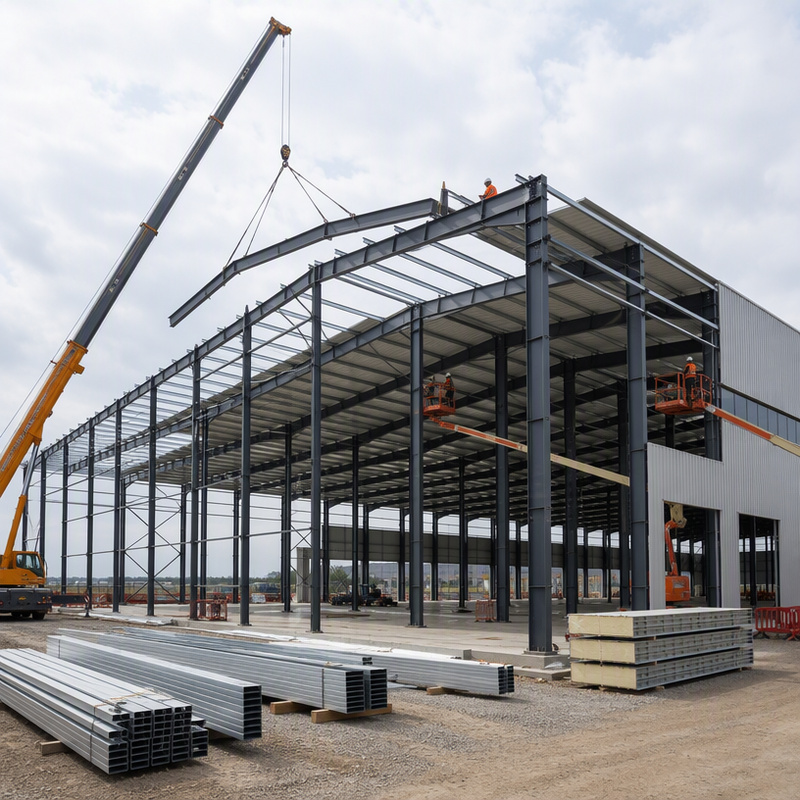
Fabrication Quality: Evaluate the supplier’s manufacturing processes and quality control measures. High-quality fabrication should include precise cutting, welding, and assembly processes.

Sample Approval: Before mass production, it is  wise to approve a finished sample to confirm  dimensions, finish,  and overall performance under intended conditions. This step can help mitigate issues before  they  escalate into costly problems.
A Supplier's Guide

A Supplier's Guide

When selecting a supplier for steel  warehouse construction, consider the following criteria to ensure you partner with a reliable manufacturer:

Experience and Expertise: Look for suppliers with  extensive experience in steel construction. A company like Shenyang Haibo  Weiye Light Steel  Color  Plate Co., Ltd, which integrates design, production, and sales,  can provide valuable insights based on real-world applications. Additionally, suppliers that specialize in Steel Structure Components can offer tailored solutions for your needs.


Manufacturing Capabilities: Confirm that the supplier has modern production lines  and advanced equipment, such as  CNC  machines and welding support, to ensure precision and  efficiency  in manufacturing.

Customization Options: Assess whether the supplier can accommodate your specific project requirements, including custom dimensions, finishes, and special  performance characteristics.


Quality Assurance: Verify the presence of quality control processes and certifications that the supplier adheres  to. This will help ensure that the products meet industry standards.

Delivery and Support: Consider the supplier’s ability to meet  your  lead times and their after-sales  support.  Efficient logistics and responsive customer  service can significantly impact project timelines.

Understanding the Applications of Steel Structures in Warehousing

Understanding the Applications of Steel Structures in Warehousing

Steel structures offer versatility  and durability, making them ideal for various warehousing applications.  Common uses include:

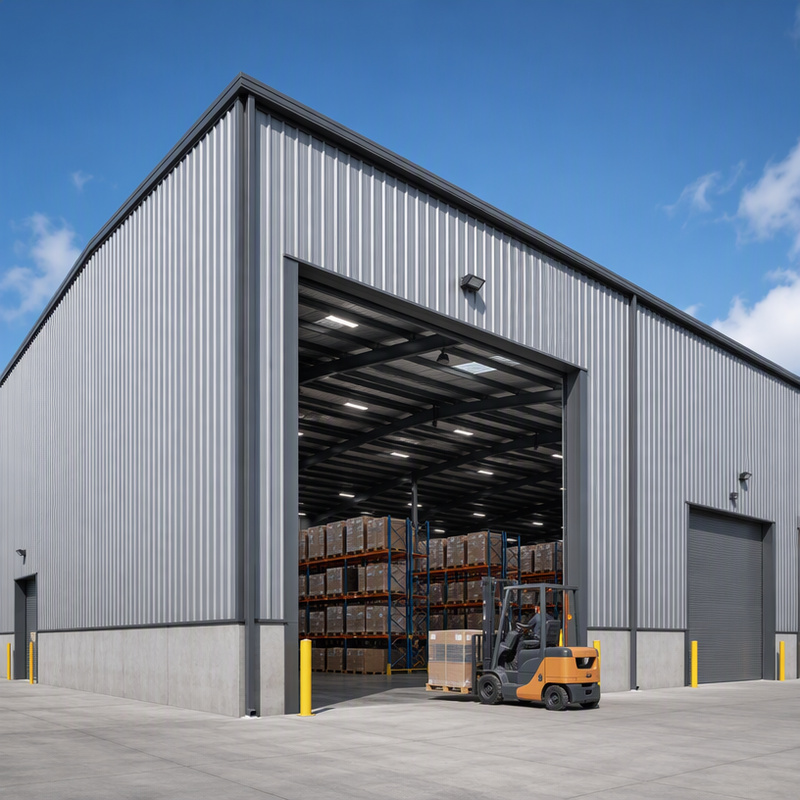
Storage  Facilities:  Steel warehouses can accommodate  high-stacking storage systems, maximizing  vertical space and  improving  access efficiency.

Distribution Centers:  These structures support heavy loads from  incoming and outgoing shipments, providing a robust solution for logistics operations.

Cold Storage: Insulated steel structures are suitable for  refrigerated warehouses, ensuring temperature  control for perishable goods.

Manufacturing Facilities: Multi-functional steel warehouses can serve as  both storage and  manufacturing spaces, allowing for seamless operations.

Retail  and Showroom Spaces: The aesthetic adaptability of color steel  profiled plates enables the creation of attractive storefronts or showrooms within a warehouse setting.

Understanding the specific application requirements helps in selecting  the  right design and materials, ultimately influencing  long-term operational  efficiency.

How to Select the Best Steel Warehouse Construction for Your Needs

Selecting the best  steel warehouse construction involves a detailed analysis of your specific needs and  project parameters. Here are some key considerations:

Project Scope  and  Budget: Define your project scope clearly, including size,  layout,  and  budget constraints. This will help narrow down material and design choices that align with  financial parameters.

Load and Usage Requirements: Assess the  types of goods to be stored and  the expected load-bearing requirements. This will  determine the appropriate structural design and material specifications.

Local Regulations: Ensure compliance with local building codes and regulations, which may dictate specific  design features, materials,  and safety requirements.


Future Expansion: Consider whether your needs may change in the future. Opting for modular designs can facilitate future expansions without significant  reconstruction.

Environmental Conditions: Factor in the  local climate and environmental conditions, such as  potential corrosion risks or extreme temperatures, to select appropriate materials and coatings.

Customization Needs: Discuss potential customization options with suppliers. This might include  specific dimensions, finishes, or integrated systems that enhance functionality.

By thoroughly  evaluating these aspects, you can make an informed decision that meets both current and future needs for your steel warehouse construction. Engaging with experienced suppliers and leveraging their expertise can further streamline  this process, ensuring a successful project outcome.

Choosing the Right Steel Warehouse Construction Materials for Your Projec

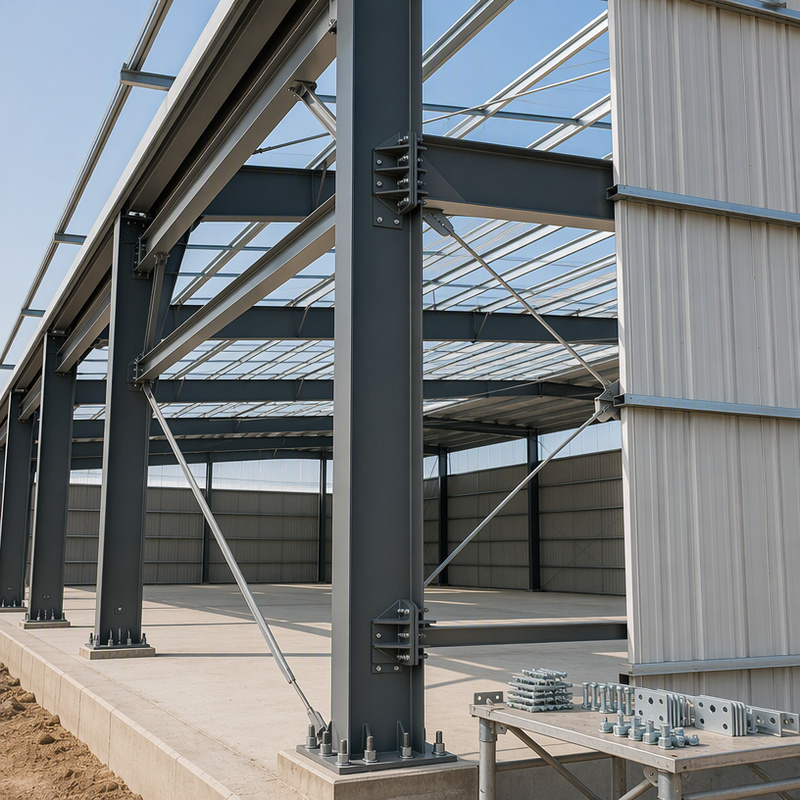
Selecting the appropriate materials  for steel warehouse construction is  crucial to  ensure structural integrity, longevity, and cost-effectiveness. The primary  materials used typically include H section steel, box columns, beams, and color steel profiled plates. Each material offers unique advantages:

H Section Steel: Ideal for  load-bearing applications, H section steel provides strength and stability. It is  commonly used in columns and beams for large  structures, making it suitable for warehouses that require significant storage space.

Box Columns: These offer high strength-to-weight ratios,  making them ideal for multi-story warehouses or  structures where space efficiency is essential. They also provide excellent resistance to lateral forces, such as those from  wind.

Color  Steel Profiled Plates:  Often used for roofing  and wall panels,  these plates are lightweight, corrosion-resistant, and available in various  finishes, adding aesthetic value while providing insulation.

Composite Plates: Combining different materials,  composite plates can deliver enhanced performance characteristics, such as  improved thermal insulation and fire resistance.

When choosing materials, consider  factors such as load requirements, environmental conditions, and whether the structure will be stationary or  mobile. Collaborate with suppliers to discuss specific project needs and ensure the  selected materials align with your operational goals.

Frequently Asked Questions

What types of steel structures do you build?

We manufacture H section steel, box columns, beams, steel trusses, bridges, composite plates, color steel profiled plates and purlins for varied warehouse projects.
Yes. We integrate design, production and sales to offer tailored structural designs, drawings and engineering support for warehouse construction.
Our advanced steel structure production lines plus CNC and welding equipment enable high-volume, precise fabrication for large annual output and diverse engineering needs.
Yes. We produce a variety of profile plates and coated materials suitable for different environments and industrial or storage applications.
Contact our sales team with project details, drawings or requirements. We will provide a prompt quotation and technical consultation based on your specifications.

Get a Free Quote

Our representative will contact you soon.
Email
Name
Company Name
Message
0/1000

Related product categories

Get a Free Quote

Our representative will contact you soon.
Email
Name
Company Name
Message
0/1000