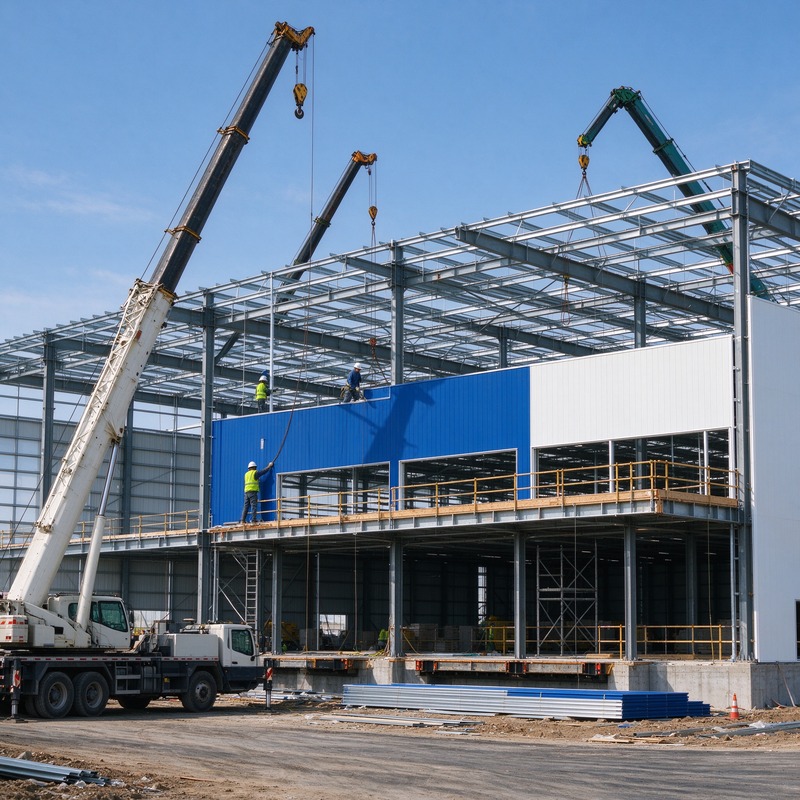
Commercial Warehouse Construction: Key Insights

All Categories

commercial warehouse construction

Commercial warehouse construction  requires careful  planning and execution to meet the diverse needs  of businesses.  It  involves selecting  appropriate materials, ensuring quality, managing  costs,  and adhering to  installation guidelines. For purchasing managers, engineers, and project  managers, understanding  these  aspects  is crucial to making  informed decisions. This article will provide  practical  insights into commercial warehouse  construction, focusing on  material selection, product quality evaluation,  cost factors,  installation guidance, and common construction challenges.
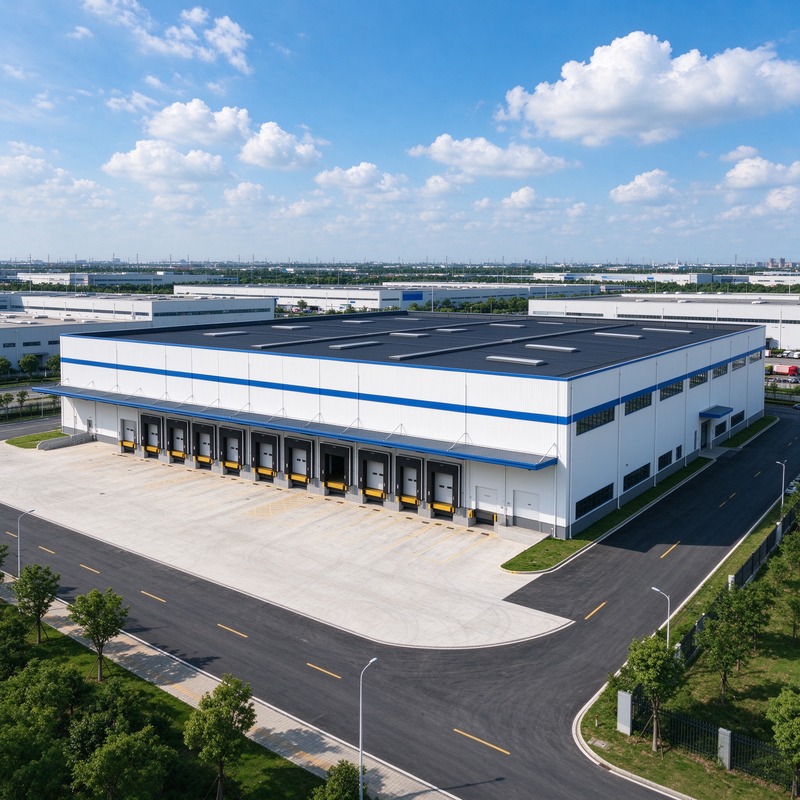
Evaluating Product Quality for Steel Structures in Warehouses

Evaluating Product Quality for Steel Structures in Warehouses

Quality is paramount when it comes  to steel structures in warehouse construction. Buyers should  focus  on several key factors to assess product quality effectively. First,  look for certifications  that indicate compliance with industry standards, such as ISO  or CE marks. These certifications ensure that the products have been tested for quality and safety.

Next, assess the manufacturing process.  Advanced production lines and CNC equipment, like those used by Shenyang Haibo Weiye Light Steel Color Plate Co., Ltd, typically yield more precise and consistent products. Additionally, inquire  about  the company's quality control processes, which often include rigorous  testing at various stages of production.

Buyers should also request samples  before making bulk purchases.  Inspecting  a sample allows for  evaluating material properties, surface finishes,  and structural integrity.  This step helps  avoid potential issues  during  actual construction, as a dimension that seems correct on paper might not fit the required specifications in  practice.
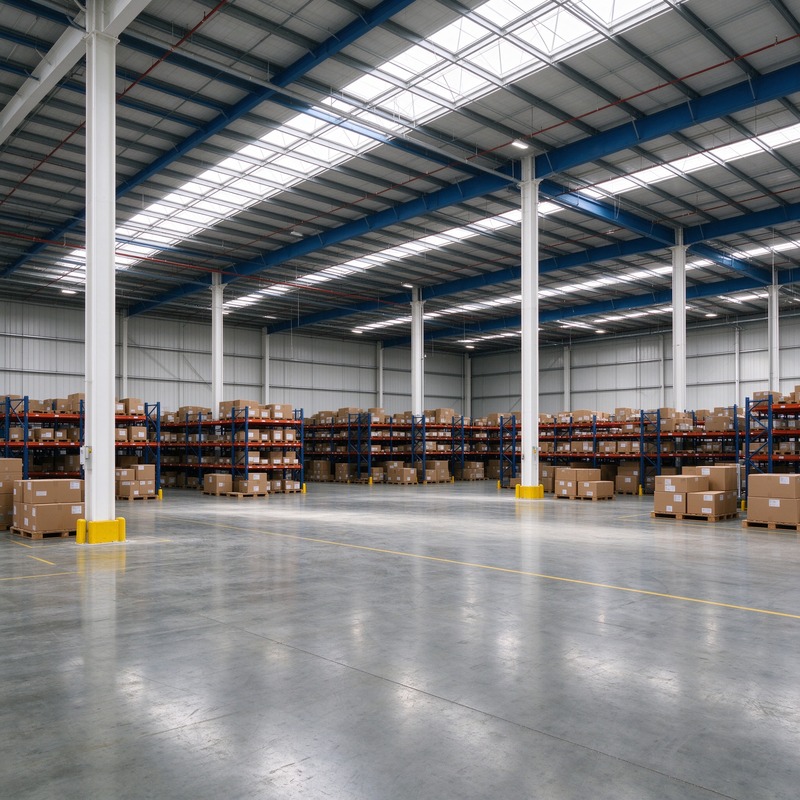
Understanding Cost Factors in Commercial Warehouse Construction

Understanding Cost Factors in Commercial Warehouse Construction

Cost  is a significant consideration in commercial warehouse construction, influenced by various factors. Material costs typically represent the  largest portion of the budget.  Prices can vary  based on the type of steel, thickness,  and finishing processes. For  example, while standard steel may be cost-effective, investing in higher-grade steel can reduce maintenance costs in the long term due to enhanced durability.

Labor costs  are another essential factor. The complexity of  the design and  the location of  the construction site can affect labor pricing. Additionally,  the timeline for construction plays a role; expedited projects may incur higher labor rates.

Other factors include transportation costs,  which can be substantial if materials are sourced  from distant suppliers. Buyers should also  consider additional expenses, such as  permits  and inspections,  which can vary by region. Properly  estimating these costs upfront helps ensure that the project  remains within  budget.

Installation Guidance for Efficient Warehouse Construction Processes

Installation Guidance for Efficient Warehouse Construction Processes

Efficient installation is key  to successful commercial warehouse construction.  Begin with  a thorough planning phase that includes detailed  drawings and specifications. This documentation  should outline  all structural elements, including dimensions and material  types.

Utilizing experienced contractors familiar with warehouse construction is crucial. They should understand  the nuances  of working with steel structures,  such as proper welding techniques and load-bearing considerations. During installation, ensure that all components  are aligned correctly and secured according to the specifications.

It’s beneficial to conduct regular inspections throughout the installation process. This  not only ensures adherence to quality  standards but also allows for timely identification  and resolution of any issues. For instance, a misaligned beam can compromise the structural integrity of the entire warehouse if not corrected  promptly.

Finally, consider employing a  project management approach that incorporates lean principles. This  can help minimize waste and optimize resource use, ultimately  leading to a more efficient construction process.

Common Problems in Warehouse Construction and Effective Solutions

Warehouse construction projects can encounter several common problems that may impact timelines and budgets. One prevalent issue is material delays, often caused  by supply chain disruptions. To mitigate this risk, establish relationships with  multiple suppliers and maintain open lines of communication regarding  lead  times and  availability.

Another challenge is miscommunication among  project stakeholders. This can lead to discrepancies in design implementation, resulting  in costly rework. To address  this, implement a  robust project management system that  fosters collaboration and provides clear channels for feedback.

Structural issues, such as settling or misalignment, can also arise during construction. Regular  inspections and adjustments during the  build phase can help identify and resolve these problems early. Engaging a qualified structural engineer  can provide additional peace of mind, ensuring that  the construction adheres to all safety  and  performance standards.

Lastly, budget overruns can occur due to unforeseen circumstances. To prevent this, build a contingency  fund into the project budget. This financial cushion can help absorb unexpected costs without significantly impacting the overall financial plan.

By understanding these common challenges and their solutions, purchasing  managers and project leaders can navigate the complexities  of commercial warehouse construction more  effectively. Additionally, considering the integration of a Prefabricated Steel Structure Warehouse Building can further streamline the construction process.

How to Choose the Right Materials for Commercial Warehouse Construction

Selecting the right materials for commercial warehouse construction  is essential for  ensuring structural  integrity and longevity. The most commonly used  materials include steel structures, composite plates, and color steel profiled plates. Each  material has distinct advantages and  is suited to specific  applications.

For instance, H section steel and box columns provide exceptional strength  and load-bearing  capacity, making them ideal for large-span warehouses. Conversely,  color steel profiled plates are often chosen for their aesthetic appeal and  corrosion resistance, especially  in  environments prone to moisture and chemical exposure.

When  selecting materials, consider the warehouse's intended use, load requirements, and environmental factors. For example, if  the warehouse will store  heavy  machinery, using heavier gauge steel for the structural elements is advisable. Buyers should  also evaluate the material's compatibility with local building codes and regulations  to ensure  compliance.

Frequently Asked Questions

What commercial warehouse construction services do you offer?

We provide design, production and installation of steel structures including H section steel, box columns, beams, trusses, bridges, composite and color steel plates, and purlins tailored for commercial warehouses.
Yes. We integrate design and production to deliver custom structural solutions, engineering drawings, and fabrication to meet specific warehouse dimensions and load requirements.
We use advanced steel grades processed on automated lines with CNC and welding equipment; quality checks are performed throughout fabrication to ensure structural integrity and compliance.
As a major processor in Northeast China, we have large annual output; delivery time depends on project size but typical fabrication ranges from weeks to a few months after design approval.
Yes. We offer on-site installation coordination, technical guidance, and after-sales service for maintenance, spare parts, and performance follow-up to ensure long-term operation.

Get a Free Quote

Our representative will contact you soon.
Email
Name
Company Name
Message
0/1000

Related product categories

Get a Free Quote

Our representative will contact you soon.
Email
Name
Company Name
Message
0/1000