EN
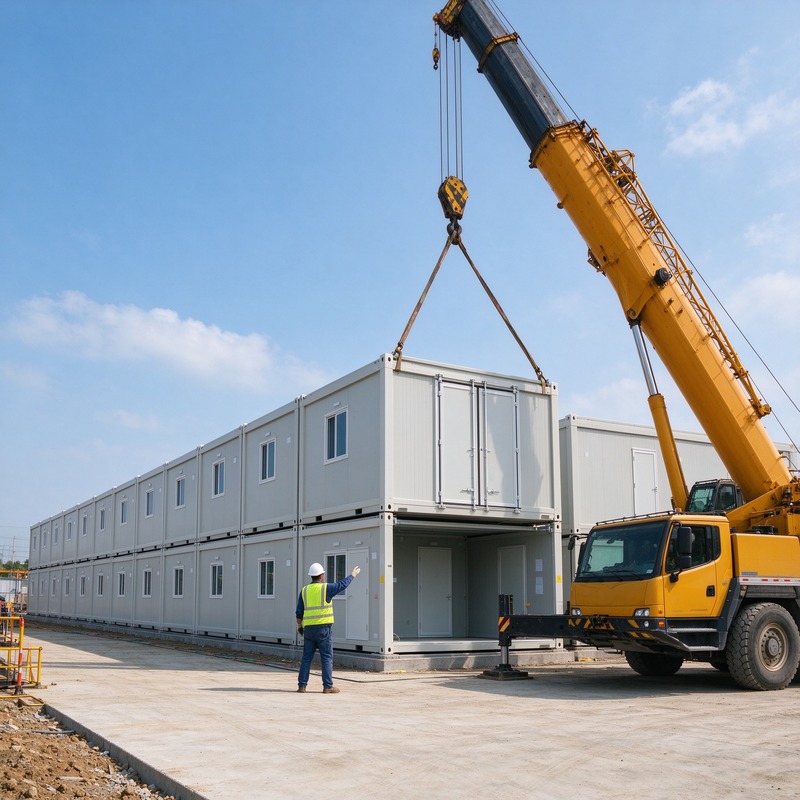
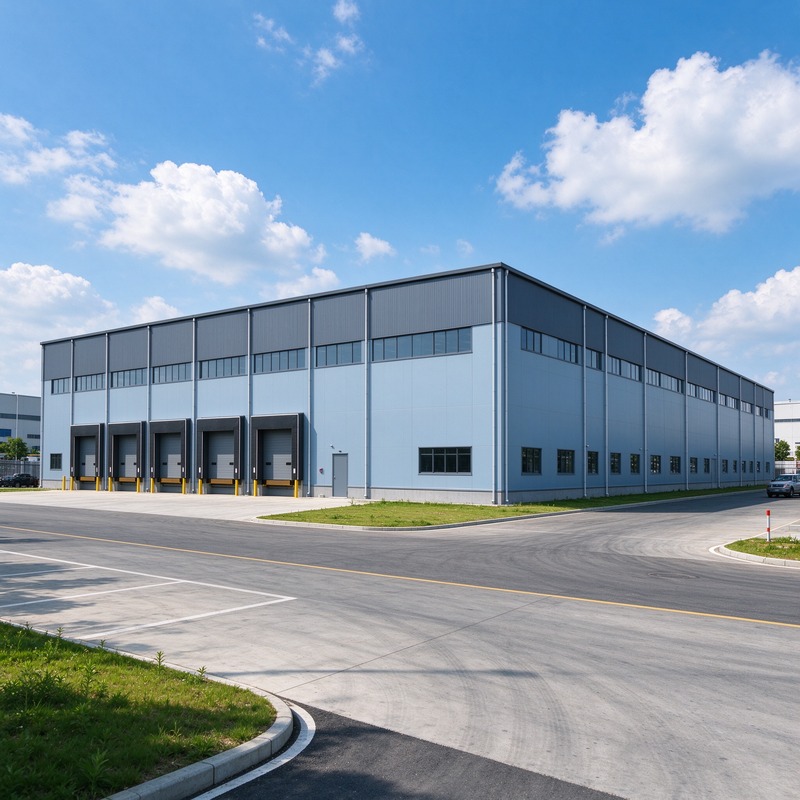
Modular warehouse construction is an innovative approach to building storage facilities that enhances efficiency, flexibility, and speed in the supply chain. As businesses seek to optimize their logistics operations, understanding the key aspects of modular construction becomes crucial for purchasing managers, engineers, and project managers. This article will provide insights into critical specifications, sourcing materials, comparing solutions, installation guidance, and addressing common challenges in modular warehouse projects.
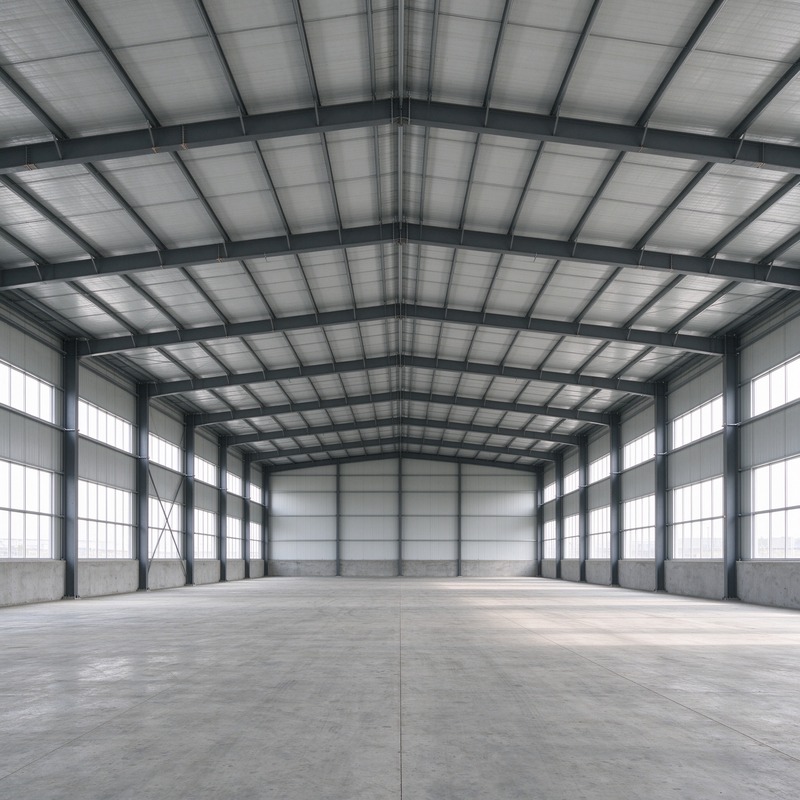
Where to Source Reliable Modular Warehouse Construction Materials
Sourcing materials for modular warehouse construction requires a strategic approach to ensure quality and reliability. Here are essential sourcing considerations:
Established Manufacturers: Partnering with manufacturers like Shenyang Haibo Weiye Light Steel Color Plate Co., Ltd., known for their advanced production lines and quality control processes, ensures that you obtain high-quality materials tailored for modular construction.
Material Certifications: Always check for appropriate certifications related to the materials being used. Products should meet specific industry standards, ensuring safety and performance during their lifecycle.
Supplier Reputation: Research the supplier’s track record in the industry. Look for customer reviews, case studies, and examples of previous projects. A reputable supplier should have experience in delivering materials for large-scale construction projects.
Lead Times and Availability: Ensure that the supplier can meet your project timelines. Check their production capacity and stock levels to avoid delays in your construction schedule.
Customization Options: Discuss customization capabilities with suppliers. Whether you require specific dimensions, colors, or finishes, a flexible supplier can accommodate unique project needs.
By focusing on these criteria, buyers can source the right materials efficiently and effectively, ensuring a successful modular construction project.