
Key Considerations for Warehouse Construction

All Categories

construction of warehouse

In the realm of industrial  construction,  the construction  of warehouse facilities is a critical  concern  for  many businesses. Selecting the  right steel structures for warehouses requires careful consideration of various factors such as material durability,  design flexibility,  and overall cost. This article  aims  to guide  purchasing managers, engineers, and  other decision-makers through the essential  aspects of warehouse  construction, ensuring  they make  informed choices  when selecting steel structures that meet their specific needs. For more information on the types of structures available, consider our guide on Steel Structure Buildings.
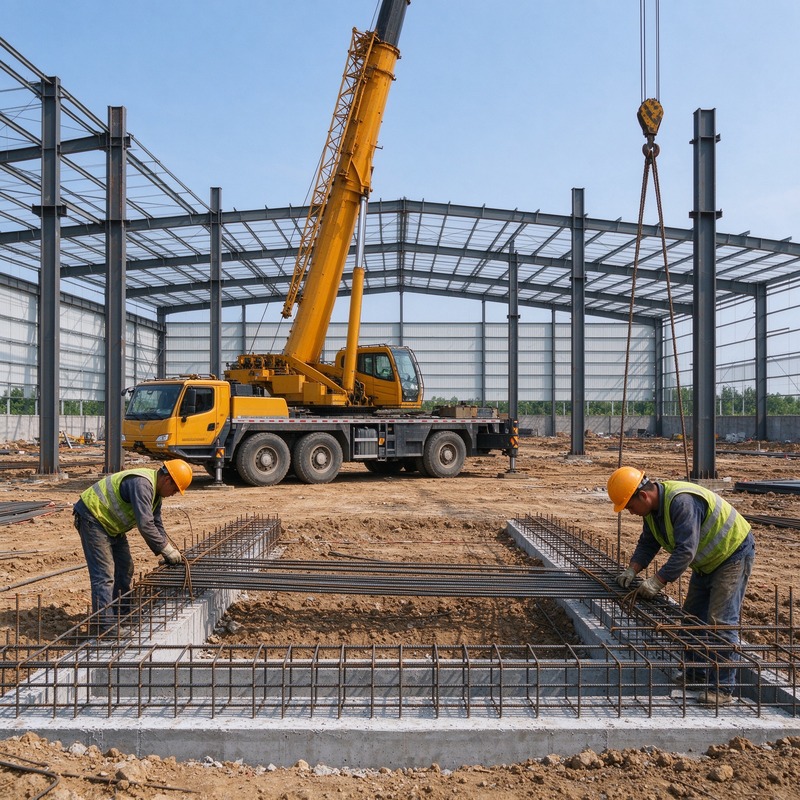
 
How to Choose the Right Steel Structures for Your Warehouse Needs

How to Choose the Right Steel Structures for Your Warehouse Needs

Choosing the right  steel structures begins with understanding the different types  available.  Common options include H section  steel, box columns,  and steel trusses. Each  type  serves unique  structural purposes; for instance, H section steel is often favored  for its high load-bearing capacity, while box columns provide excellent resistance to buckling.

Additionally, buyers should  consider factors such as span requirements, which dictate the distance the structure must cover without internal support.  Larger spans may require more  robust beams and trusses, impacting  the overall design and cost. Collaborating with experienced engineers can help determine the  best structural solutions based on specific operational requirements.

Customization is another vital aspect;  many manufacturers offer tailored solutions that can address  unique  warehouse  configurations or operational workflows. Buyers  should enlist  the help of a manufacturer with proven expertise and a track record in delivering customized steel solutions.
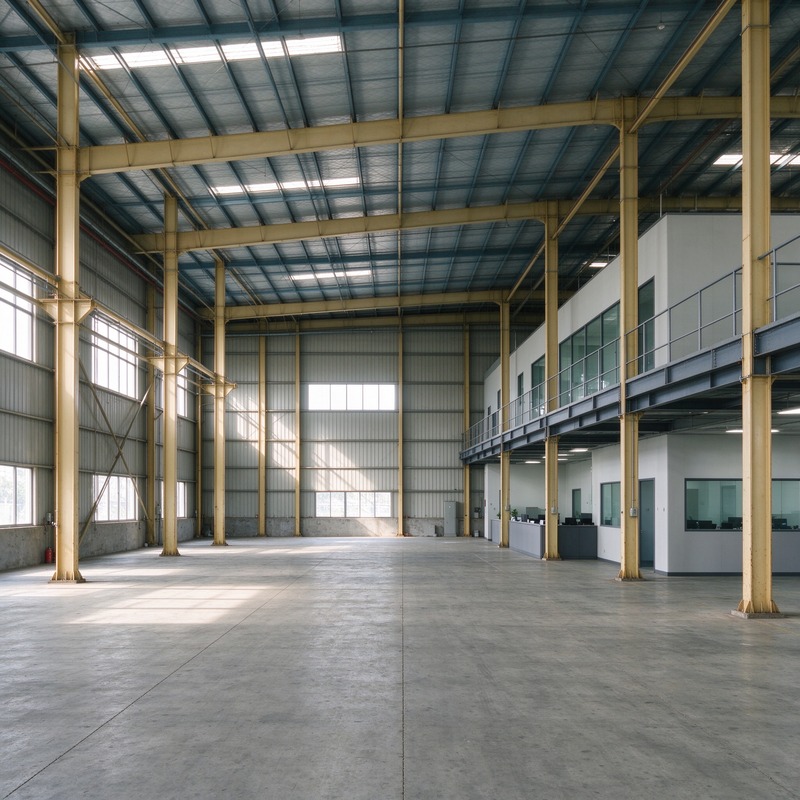
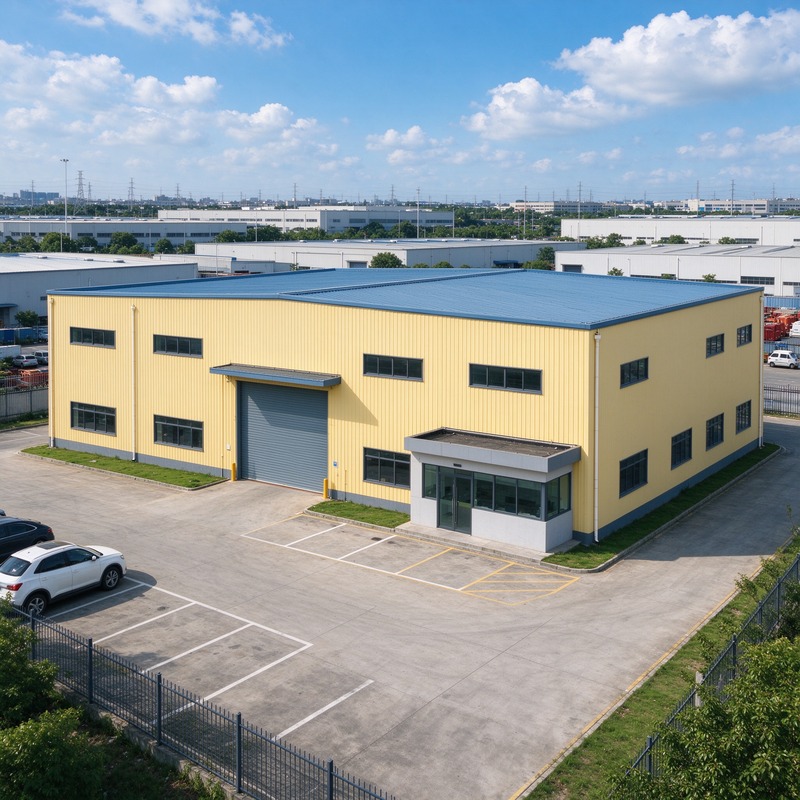
Key Specifications to Evaluate in Warehouse Construction Materials

Key Specifications to Evaluate in Warehouse Construction Materials

When evaluating materials  for  warehouse construction, buyers should focus on several  key specifications:

Material Grade: The grade of  steel  significantly affects strength and durability. Higher grades provide better resistance to deformation and wear, making them suitable for heavy-duty applications.

Thickness: The thickness of steel components impacts their  load capacity and  overall structural integrity.  Buyers should assess the thickness requirements based  on the expected loads and environmental conditions.


Corrosion Resistance:  Given that warehouses may be subject to various environmental factors, selecting materials with appropriate corrosion resistance, such as galvanization  or protective  coatings, is crucial for long-term performance.

Fabrication Tolerances:  Precise fabrication is vital for ensuring  that components fit together  correctly during assembly. Buyers should inquire about the manufacturer’s quality control processes to ensure they meet required tolerances.

Testing and Certifications: Buyers should  seek materials  that comply with relevant industry standards and certifications, ensuring they meet safety and  performance benchmarks.

By thoroughly evaluating these specifications, buyers can make  informed decisions that align with their warehouse construction needs.

Budgeting for Your Warehouse Construction Project

Budgeting for Your Warehouse Construction Project

Budgeting is a critical component of any warehouse&nbsp; construction project. Buyers should begin by establishing a clear understanding&nbsp; of the total costs involved, which typically include materials, labor,&nbsp; design, and compliance-related expenses. </p>

It is advisable to obtain&nbsp; detailed quotations from multiple suppliers to compare pricing and&nbsp; identify the best value for the required materials. Additionally, buyers&nbsp; should consider&nbsp; potential hidden&nbsp; costs—such as&nbsp; transportation fees for materials or expenses linked to obtaining necessary permits.

To&nbsp; optimize budgeting, it&nbsp; is essential to prioritize essential features and consider the life cycle&nbsp; costs of the materials. Investing in higher-quality steel may lead to lower maintenance and replacement costs&nbsp; over time, ultimately&nbsp; saving money in the long run.

Lastly, engaging with a manufacturer that offers flexible payment options&nbsp; or financing&nbsp; can&nbsp; also help manage the financial aspects&nbsp; of the construction project more effectively.

&nbsp;

Exploring Diverse Applications for Steel in Warehouse Construction

Steel's&nbsp; versatility makes it an ideal choice&nbsp; for various applications in warehouse construction. Beyond traditional storage facilities, steel structures can be utilized&nbsp; in specialized applications such as cold storage warehouses, distribution&nbsp; centers, and even manufacturing facilities.

For cold storage warehouses, it is crucial to select insulation&nbsp; and materials that maintain temperature control effectively. Steel structures can be designed to accommodate&nbsp; refrigeration systems while ensuring structural integrity.

In distribution centers, steel’s strength allows for the construction of multi-level designs that&nbsp; maximize space utilization.&nbsp; Incorporating features like loading&nbsp; docks or&nbsp; automated storage systems can enhance operational&nbsp; efficiency.

&nbsp;

Additionally, steel’s adaptability allows for future expansions or modifications, which is particularly beneficial for&nbsp; growing businesses.&nbsp; By understanding these diverse applications, buyers can better align their construction projects&nbsp; with long-term operational goals.

The construction of warehouse facilities requires a comprehensive understanding&nbsp; of material selection, design considerations, and&nbsp; budget management. By focusing on these&nbsp; aspects and collaborating with experienced manufacturers, buyers&nbsp; can ensure successful warehouse construction projects that meet their specific needs.

&nbsp;

Key Considerations for Buyers

When planning&nbsp; the&nbsp; construction&nbsp; of&nbsp; a warehouse, buyers should focus on several key considerations. The primary factors include the intended use of the&nbsp; warehouse, structural integrity, and compliance with local&nbsp; building codes. Understanding the load requirements&nbsp; is crucial, as warehouses often&nbsp; need to support heavy machinery and storage systems.

&nbsp;

Buyers should also evaluate the environmental conditions&nbsp; the structure will face—such as exposure to moisture or chemicals—which can significantly affect material selection. Additionally, the design flexibility to accommodate future expansions or modifications should&nbsp; be&nbsp; taken into&nbsp; account to avoid costly renovations later. For instance, choosing the right insulation can greatly improve the performance of the building. If you are interested in insulation options, check our Sandwich Panels section.

Lastly, working with a reputable manufacturer, like&nbsp; Shenyang Haibo Weiye Light Steel Color Plate Co., Ltd, known for its&nbsp; advanced steel structure production capabilities,&nbsp; can ensure that&nbsp; buyers receive high-quality materials tailored&nbsp; to&nbsp; their specific warehouse construction needs.

Frequently Asked Questions

What types of warehouses do you construct?

We construct light steel, steel frame, prefabricated and hybrid warehouses suitable for storage, logistics, workshops and cold storage. Designs are customized to project requirements and local codes.
Yes. We offer integrated design, structural calculations, drawings and project planning using our in-house engineering team and CNC-capable production support.
We use H section steel, box columns, beams, steel trusses, purlins, composite plates and color steel profiled panels produced on our advanced lines.
Yes. As a major processor in Northeast China with high annual output, we handle diverse, large and bespoke engineering projects with tailored solutions.
We provide manufacturing, quality inspection, delivery and on-site assembly support. Timelines depend on project size; lead times and installation schedules are provided upon quotation.

Get a Free Quote

Our representative will contact you soon.
Email
Name
Company Name
Message
0/1000

Related product categories

Get a Free Quote

Our representative will contact you soon.
Email
Name
Company Name
Message
0/1000