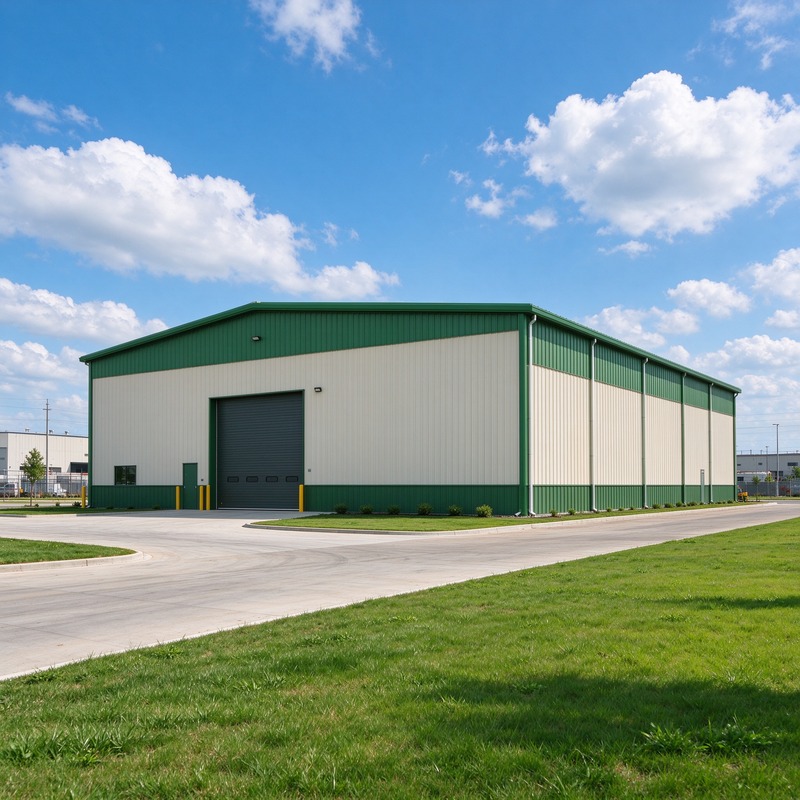
Key Specifications for Reliable Warehouse Construction

All Categories

build warehouse

Building  a warehouse  requires careful consideration of the materials and structures used to ensure  durability and  efficiency.  For businesses looking to build  a  warehouse,  understanding the specifications and sourcing the right supplies is crucial. This article will  cover the key specifications for reliable warehouse  construction supplies,  how to  source bulk  orders, common challenges  faced during  construction, installation  guidance, and the applications of light steel  structures in warehouse  design. By addressing  these areas, we aim to  assist purchasing managers, engineers, and distributors in making informed decisions for their projects.
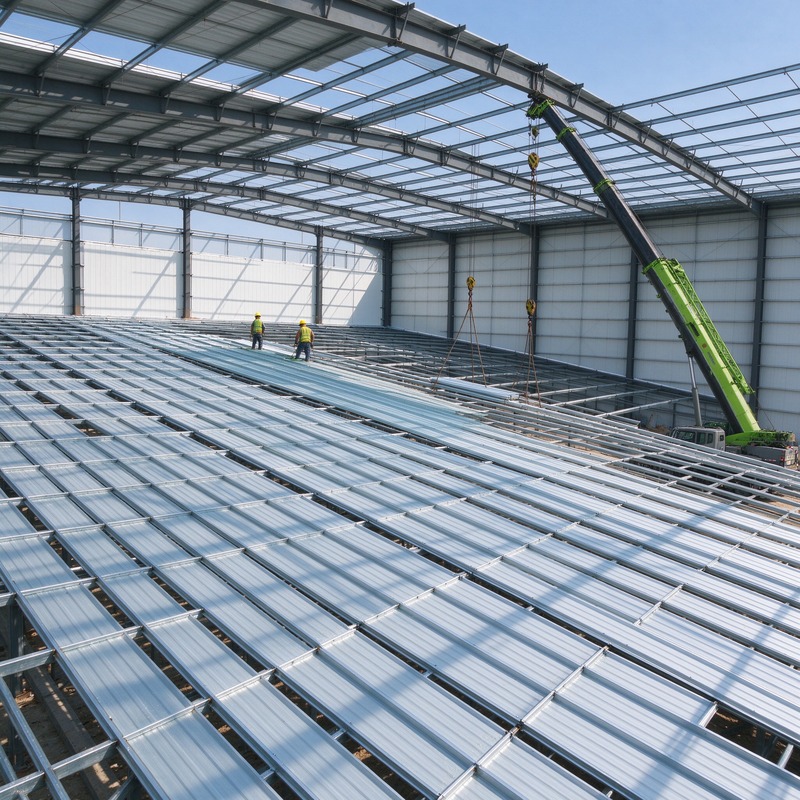
Where to Source Bulk Orders for Warehouse Building Solutions

Where to Source Bulk Orders for Warehouse Building Solutions

Sourcing bulk orders  for warehouse construction supplies requires strategic planning and reliable partnerships.  Here are some key considerations:

Identify Reputable  Suppliers: Look for manufacturers with a strong track record  in producing  light steel  structures. Companies with  advanced  production lines and a history  of  serving commercial markets, like Shenyang  Haibo Weiye Light  Steel Color Plate Co., Ltd, are ideal candidates.

Request Samples: Before placing a bulk order, request samples  of the materials to assess quality. This step can help identify any discrepancies in specifications or surface treatments before  committing to a larger purchase.

Negotiate Terms:  Discuss pricing, minimum order quantities (MOQs), and lead times with potential suppliers.  Understanding these terms can help in budgeting and planning for project timelines.


Evaluate Logistics: Consider the logistics involved in shipping and delivery. Confirm that the supplier can  meet your  delivery needs and that  they have experience in exporting to your region if applicable.
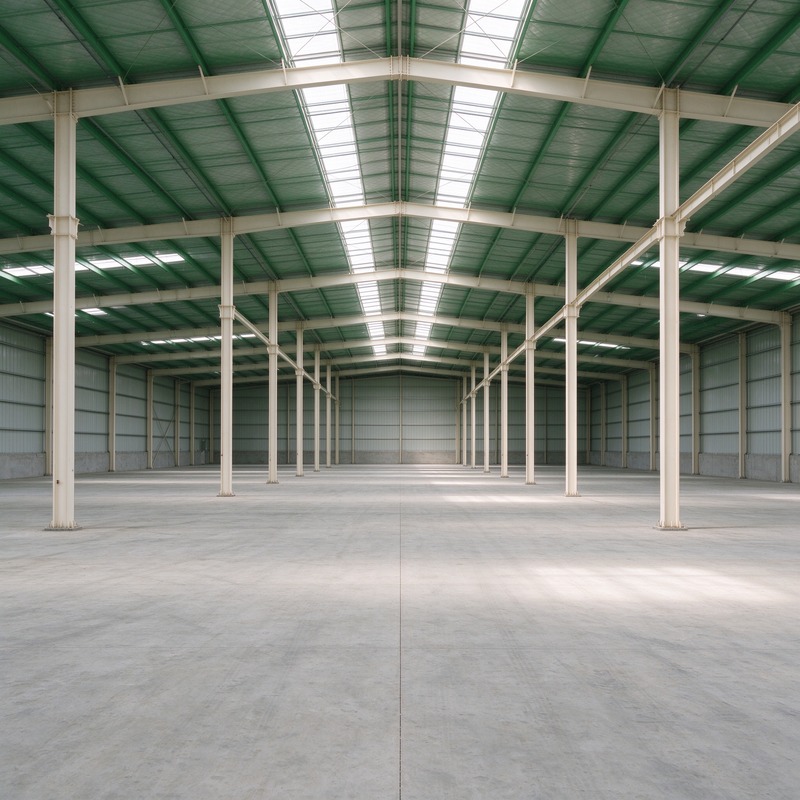
Common Problems in Warehouse Construction and Effective Solutions

Common Problems in Warehouse Construction and Effective Solutions

Warehouse construction can  encounter various challenges that may delay project timelines or increase costs. Here are some common issues and  their solutions:


Material Delays: Supply chain disruptions can lead to delays in  obtaining necessary materials. To mitigate this risk, establish strong  relationships with  multiple  suppliers to  ensure alternate sourcing options are available.

Design Misalignment:  Inadequate communication between the design and construction  teams  can result in  misaligned specifications.  Conduct regular meetings and reviews to ensure all parties are aligned on project specifications and timelines.

Quality  Concerns: Variability in material quality can  lead to structural issues. Implement a  rigorous inspection process during both the procurement and construction phases to catch any quality issues early.

Unexpected Costs:  Hidden costs can arise from changes in design or  material  specifications. Maintaining a contingency budget can help manage these unexpected  expenses effectively.

Installation Guidance for Efficient Warehouse Building Practices

Installation Guidance for Efficient Warehouse Building Practices

Proper installation is key to ensuring the longevity and functionality  of warehouse structures. Here  are  essential  tips for an efficient installation process:

Pre-Installation Checks: Before  beginning  installation, verify  that all materials meet the  specified requirements. Check dimensions and quality to prevent issues during  assembly.

Skilled Labor: Employ skilled labor familiar  with  light steel structure installation. This  expertise can minimize errors and enhance the overall quality of  the construction.

Use of Technology: Consider utilizing CNC  and welding  supporting equipment for precise cuts and fittings. Advanced technology can improve  accuracy and reduce waste during the  installation process.

Safety Protocols: Ensure  that  all safety protocols are followed during installation. This not only protects workers  but also ensures that the construction adheres to regulatory standards.

Applications of Light Steel Structures in Warehouse Design

Light steel structures offer versatile applications in warehouse design, making them popular among various industries. Here’s how they can be effectively utilized:

Flexibility in Design: Light steel allows for expansive open spaces,  which is beneficial for warehouses that require large storage areas without internal columns. This flexibility can enhance operational efficiency in logistics.

Rapid Construction: The prefabricated nature of light steel components allows for  faster assembly  on-site, reducing  overall  construction time. This speed is  particularly advantageous for businesses looking to minimize downtime. Many businesses also benefit from options like our Prefabricated Steel Structure Warehouse Building.

Sustainability: Steel is a recyclable material, contributing to environmentally friendly building  practices. Choosing light steel structures  can enhance a company's sustainability profile, which is  increasingly important  in today’s market.

Cost-Effectiveness: Although the initial material costs may be higher than traditional building materials, light steel structures can  lead to long-term savings through durability, lower maintenance costs, and  energy efficiency.

By understanding these various aspects of  warehouse  construction, purchasing  managers and  other B2B buyers can make informed  decisions that align with  their operational needs and  project  goals.

Key Specifications for Reliable Warehouse Construction Supplies

When  selecting materials for  warehouse construction, several specifications must be taken into account. These include the type of steel used, dimensions, load-bearing capabilities, and  surface treatments.

Material Specifications: Light steel structures are  often made from high-strength steel,  such as H section steel or box columns. The selection of steel should be aligned with expected load requirements, which can vary based on the warehouse use. For instance, a storage facility  may require more robust beams to support heavy machinery compared to a distribution center. For more robust structures, consider our Portal Frame Rigid Bent Pre-engineered Steel Column and Rafter options.

Dimensions and Load Capacity: The  dimensions of steel components must  be tailored to fit specific architectural designs. Standard dimensions can  lead to inefficiencies if not compatible with the planned layout. For example, beams should be selected based on the span  required and the expected load, ensuring they meet  local building codes.

Surface Treatments:  To extend the lifespan  of warehouse structures, surface treatments such as galvanization or painting are essential. These treatments protect against corrosion, especially in environments where moisture is prevalent. Buyers should specify these requirements early  in the procurement process.

Quality Control  Processes: Ensuring that the materials meet industry standards involves  rigorous quality control. Manufacturers should provide certification  and test  results for the materials used, confirming their properties  and suitability for the intended  application.

Frequently Asked Questions

What is included in the build warehouse product?

Build warehouse refers to prefabricated steel warehouse structures including H-section steel, box columns, beams, trusses, composite plates, color steel profiled plates and purlins for complete warehouse assembly.
We offer customizable sizes and load capacities based on engineering requirements. Dimensions, span, bay spacing and load ratings are designed per project specifications using our advanced production lines.
Yes. We integrate design, production and sales and provide structural design, drawings and calculations to meet project codes and client needs.
We use high-quality light steel, H-section, box columns and certified color steel plates produced on CNC and advanced lines, with welding and inspection to ensure consistent quality.
Lead time varies by scope; typical delivery is based on order size and complexity. We coordinate production, quality checks and logistics to meet agreed project schedules.

Get a Free Quote

Our representative will contact you soon.
Email
Name
Company Name
Message
0/1000

Related product categories

Get a Free Quote

Our representative will contact you soon.
Email
Name
Company Name
Message
0/1000