EN
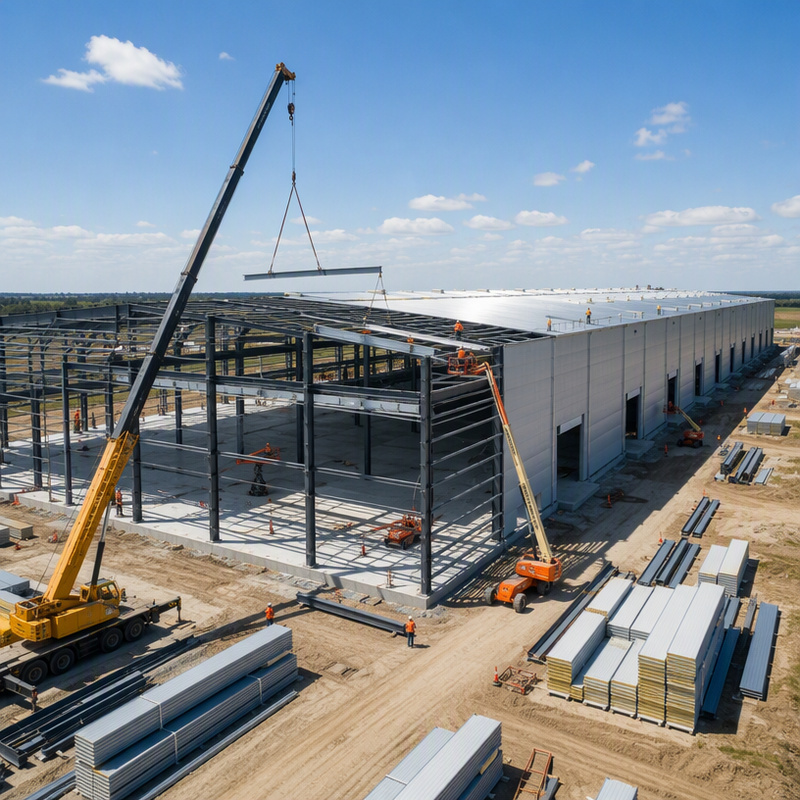
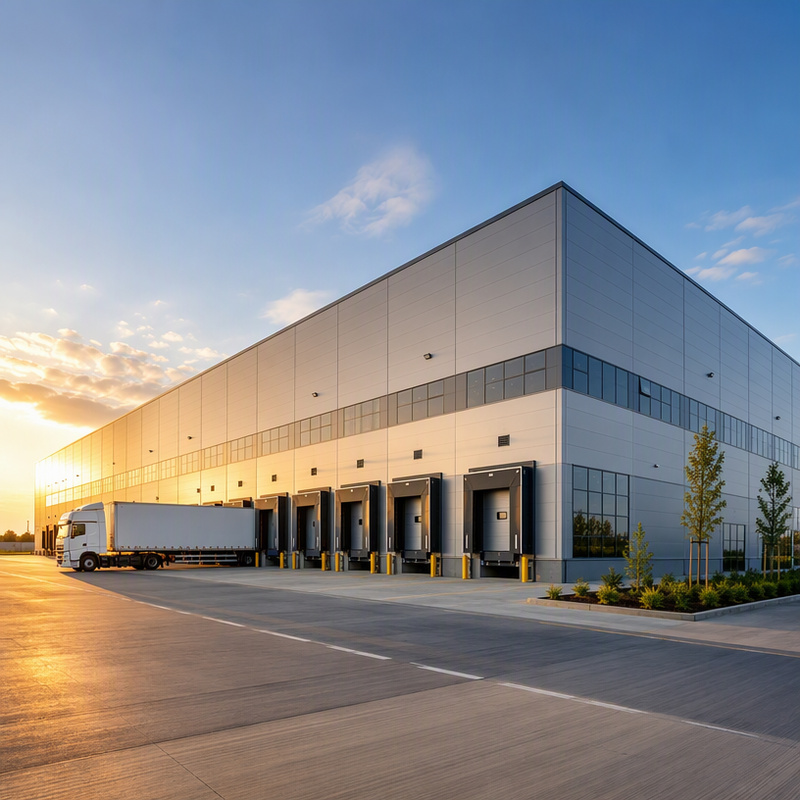
Building a new warehouse requires careful consideration of various factors, particularly when it comes to the selection of materials and structural components. This article focuses on new warehouse construction, addressing key specifications, quality evaluations, common issues, installation guidance, and applications of steel structures. Understanding these elements helps purchasing managers, engineers, and other decision-makers ensure they are making informed choices that align with their operational needs and budget constraints.
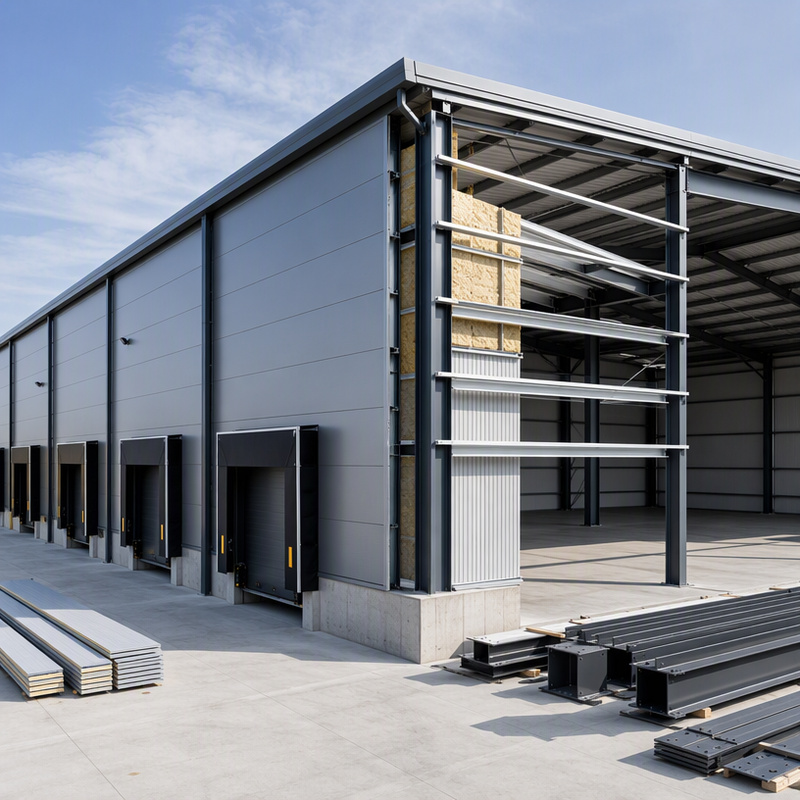
How to Evaluate the Quality of Steel Products for Warehousing
Evaluating the quality of steel products involves a systematic approach to ensure that the materials meet the necessary standards for warehouse construction. Here are essential factors to consider:
Certifications and Standards: Look for products that meet national and international standards, such as ASTM or ISO certifications. These certifications indicate compliance with quality and safety requirements.
Material Testing: Request results from material tests, including tensile strength, yield strength, and ductility. These tests provide insights into the steel's performance under load and environmental conditions.
Surface Treatment: The surface finish of steel components can significantly affect their longevity and resistance to corrosion. Ensure that appropriate treatments, such as galvanization or powder coating, are applied based on the warehouse's location and potential exposure to moisture or chemicals.
Supplier Reputation: Research suppliers' track records in the industry. A manufacturer, like Shenyang Haibo Weiye Light Steel Color Plate Co., Ltd, known for its advanced steel production capabilities, offers a level of assurance regarding product quality and consistency.