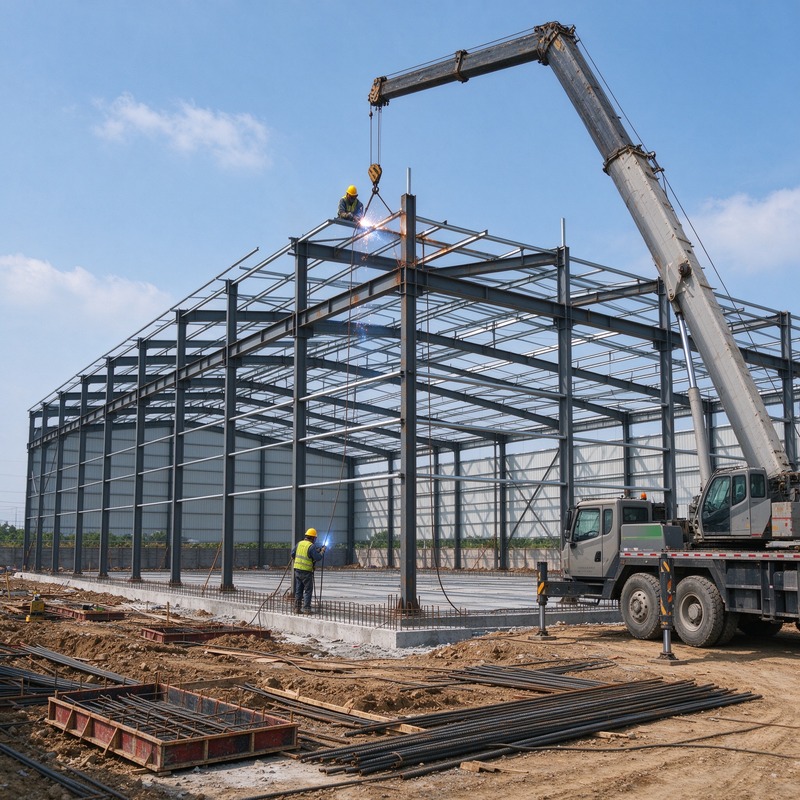
Building a Warehouse: Key Considerations and Guidance

All Categories

build a warehouse

Building a warehouse  involves  careful consideration  of  various factors,  including material selection, structural specifications, and cost management.  For  B2B  buyers  such as purchasing  managers,  engineers, and  product  managers, understanding the nuances of  warehouse construction is crucial  for  making informed decisions. This article  will  explore key aspects of building a  warehouse, from choosing the right materials to addressing common construction challenges.
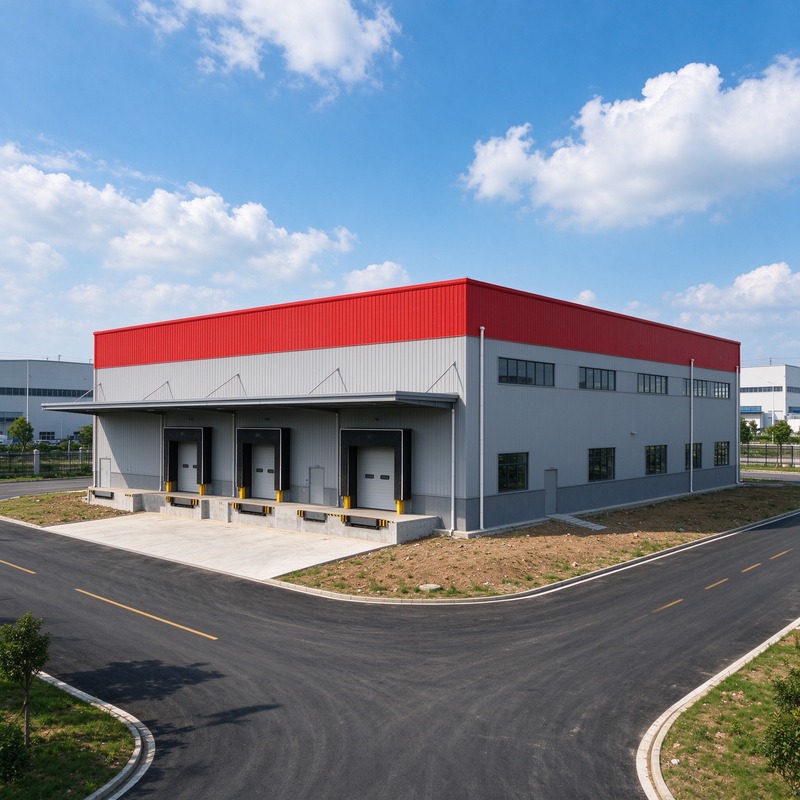
 
Key Specifications for H Section Steel in Warehouse Projects

Key Specifications for H Section Steel in Warehouse Projects

H section steel is a critical component in warehouse construction, providing both structural support and stability. Understanding the key specifications will  help buyers  ensure they are selecting the right product.

Dimensions and Weight: H sections come  in various  sizes, typically defined by their height, width, and thickness.  For example,  a common specification might include dimensions  of 200mm x 100mm with a weight of 20 kg/m. Buyers  should confirm that these dimensions  align with their structural  requirements.

Yield Strength: This specification indicates the maximum stress that the material can withstand before deforming. For H  section steel, a yield strength of 235 MPa is common, which is suitable for most warehouse applications.  Buyers should ensure that the chosen steel meets  or exceeds their project's requirements.

Surface Treatment: Proper surface treatment, such as galvanization or coating, can enhance corrosion resistance and prolong  the  lifespan of the steel.  Buyers  should specify their needs based on  the intended environment of  the  warehouse.
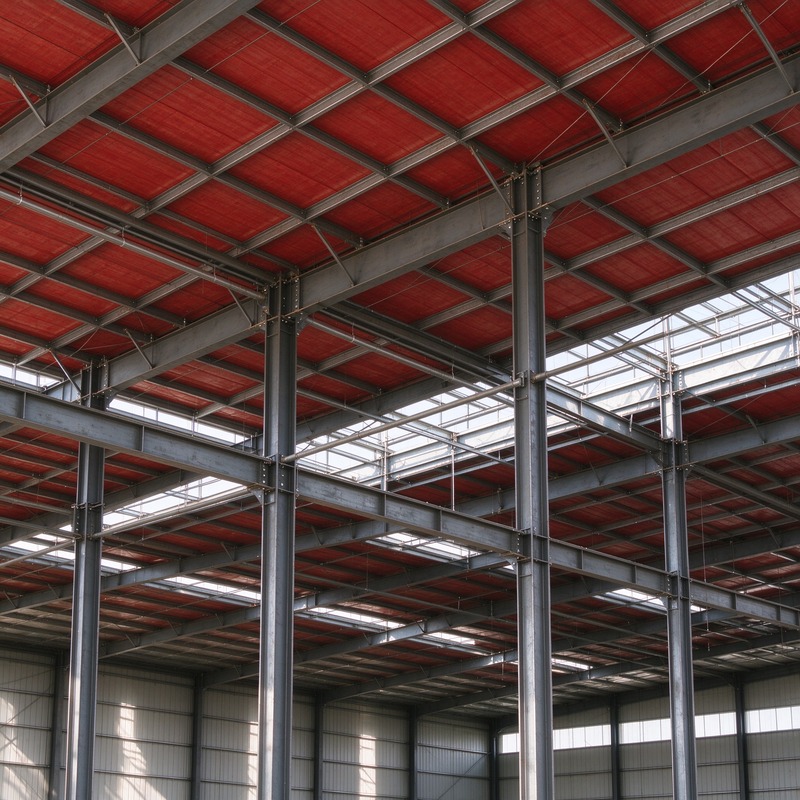
Cost Factors to Consider When Building a Warehouse

Cost Factors to Consider When Building a Warehouse

The cost of building a warehouse  can vary significantly based on  several factors, each of which should be carefully evaluated.

Material Costs: The choice of materials,  including  H section steel, composite  panels, and  color  steel plates,  will directly impact the budget. It's advisable to obtain  multiple quotes from suppliers to ensure competitive pricing, especially for Warehouses & Logistics Centers.

Labor Costs:  Skilled labor is essential  for the  proper installation of steel structures. Understanding the local labor market and potential additional costs for skilled workers can  help in budgeting accurately.

Design  Complexity: More intricate designs may require additional materials and labor, thus increasing costs. Buyers should carefully assess their design requirements to avoid unexpected expenses  during construction.

Permitting and Inspection Fees: Depending on  the location, various permits may be required for warehouse construction, as well as inspections during and after the build.  Factoring these  costs into the  budget early on can prevent financial  surprises.

Installation Guidance for Steel Structures in Warehouse Design

Installation Guidance for Steel Structures in Warehouse Design

Proper installation of steel structures is crucial for ensuring the longevity and safety of the  warehouse. Here are essential guidelines for effective installation:

Foundation  Preparation: A solid foundation is vital for supporting steel structures. Ensure that the foundation is designed to handle the expected loads, taking into account soil  conditions and local  regulations.

Assembly Techniques: Familiarize your installation team with the assembly  techniques suitable for the specific  type of  H section steel being used. This may include bolted or welded  connections.  Proper alignment during assembly is critical for maintaining  structural  integrity.

Safety Protocols: Implementing safety protocols during  installation is essential to protect  workers  and ensure compliance with regulations. This includes the use of personal protective  equipment and adherence to safety  guidelines outlined in construction standards.

Quality Control:  Regular inspections throughout the installation  process can help identify and rectify issues early, maintaining  quality and adherence to specifications.


Common Problems in Warehouse Construction and Their Solutions

Warehouse construction can present various challenges. Understanding these common problems and their solutions  can help mitigate risks.

Material Shortages: Supply chain  disruptions can lead to material shortages. To avoid  delays,  maintain a good relationship with suppliers and consider sourcing materials from multiple suppliers  to ensure availability.

Design Changes: Changes in project scope can lead to increased costs and delays. Establish clear communication with all stakeholders  and ensure that any design changes are documented and approved to avoid confusion.

Weather Delays: Adverse weather  conditions can halt construction progress. Planning for seasonal weather patterns in your project timeline  can help  accommodate potential  delays.

Quality Issues: Inadequate  quality control during construction can lead to structural problems later. Implement strict quality assurance practices, including regular inspections and adherence to specifications throughout the build process.

By addressing these considerations and challenges, B2B buyers  can  navigate  the complexities of warehouse construction effectively, ensuring that their  projects are completed  on time and within  budget. Understanding the  nuances of material selection, installation,  and quality control will lead to a successful warehouse that  meets operational needs.

What to Consider When Choosing Warehouse Construction Materials

Selecting the  appropriate materials for warehouse construction is foundational for ensuring structural integrity and operational efficiency. Key considerations include the load-bearing capacity, durability, and resistance to environmental factors such as  moisture and temperature fluctuations.

Material Types: Steel is a popular choice  for warehouses due to its strength and flexibility. Options like H  section steel,  produced by companies  such as Shenyang Haibo Weiye Light  Steel Color Plate Co., Ltd, offer high strength-to-weight  ratios, making them suitable for large-span  structures. Additionally, composite plates and color steel  profiled  plates provide  versatility in design and insulation. For example, Steel Structure Buildings can benefit from these materials.

Environmental Suitability:  Depending on the geographical location, materials should  be chosen based on their ability to withstand local weather conditions.  For example, coastal regions may require materials with enhanced corrosion resistance.


Cost and Availability: Evaluate the cost of materials,  including procurement and shipping. It's essential to work  with suppliers who have a reliable production  capacity and can meet your  project timelines without delays.

Frequently Asked Questions

What services are included when you build a warehouse?

We provide full services: design, steel structure production, CNC fabrication, welding, and delivery of H sections, box columns, trusses, beams, composite and color steel plates for turnkey warehouse projects.
We supply H section steel, box columns, beams, steel trusses, purlins, composite plates and color steel profiled plates tailored for warehouse structures.
Yes. We integrate design and production to customize dimensions, load capacities and material types to meet site, operational and regulatory requirements.
As a major Northeast China processor with advanced lines, we handle large annual output. Lead time depends on scope; typical fabrication ranges from weeks to a few months—contact us with project details for a quote.
We primarily supply engineered steel components and plates; installation support or coordination can be arranged upon request, including fabrication drawings and onsite guidance.

Get a Free Quote

Our representative will contact you soon.
Email
Name
Company Name
Message
0/1000

Related product categories

Get a Free Quote

Our representative will contact you soon.
Email
Name
Company Name
Message
0/1000