EN
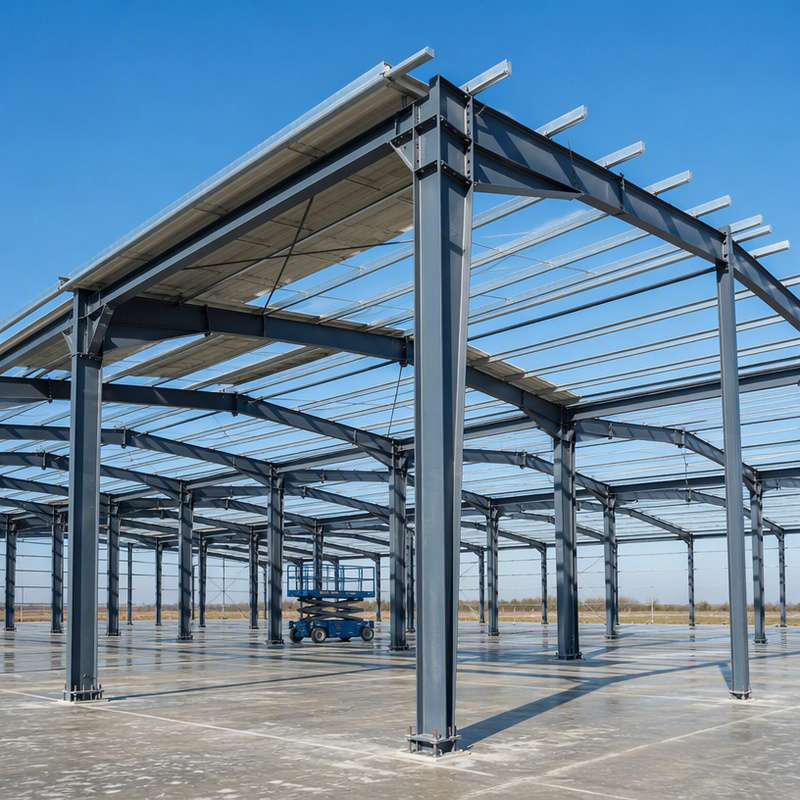
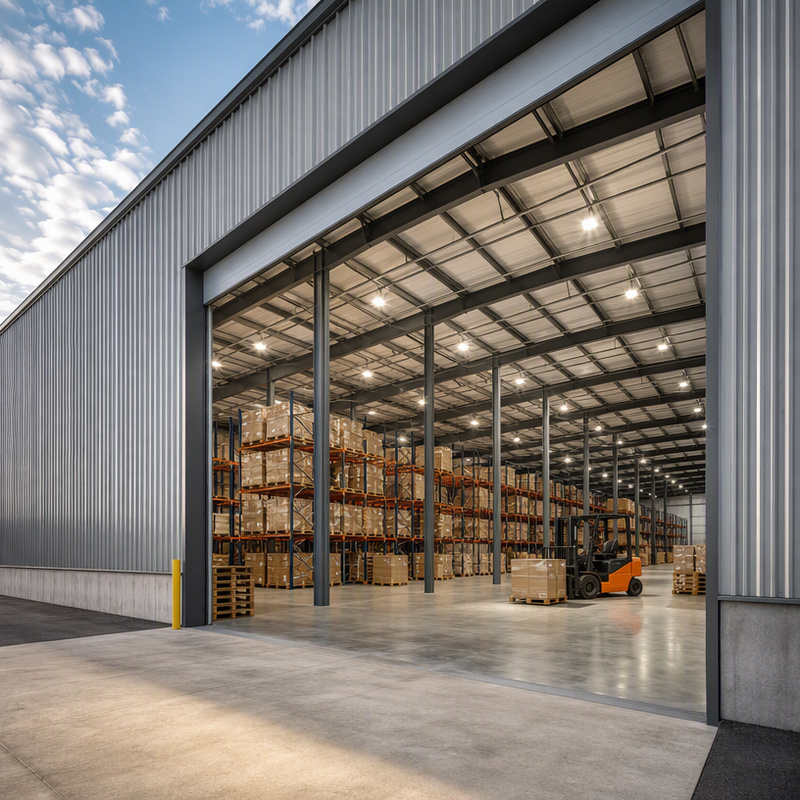
Steel frame warehouse construction is a pivotal choice for businesses looking to optimize their storage and operational capacities. With a robust and versatile framework, steel structures offer exceptional strength, durability, and design flexibility. For purchasing managers, engineers, and project managers, understanding the nuances of steel frame construction is vital. This article will delve into the key considerations for selecting steel frames, evaluating costs, installation processes, material advantages, and their applications in various warehouse settings. Additionally, exploring options such as Steel Structure Buildings can provide further insights into design possibilities.
Understanding the Cost Factors in Steel Frame Warehouse Construction
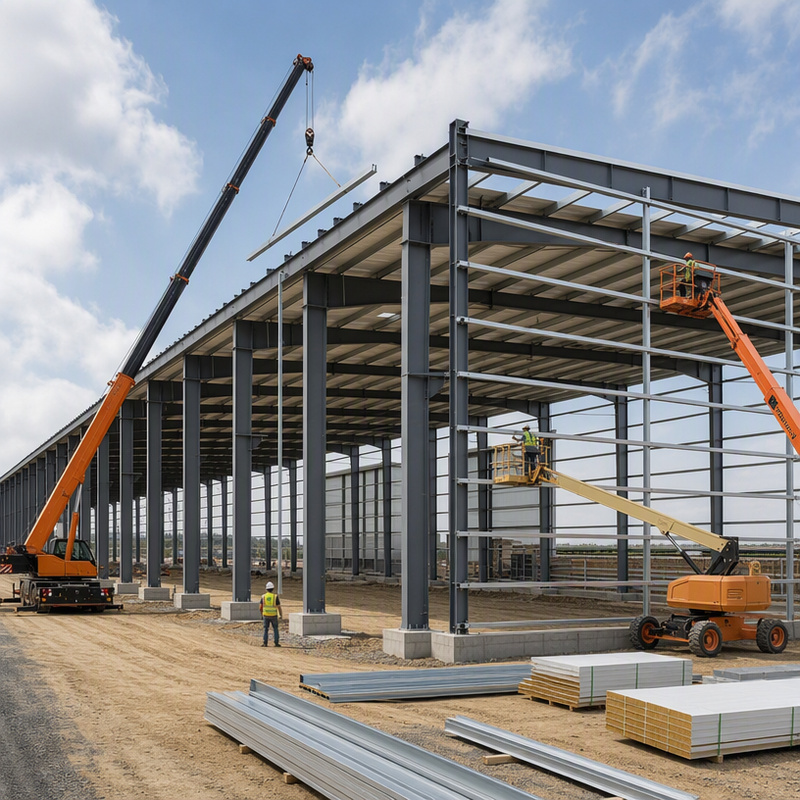
The cost of steel frame warehouse construction can fluctuate based on several factors, including material costs, labor, design complexity, and location. Steel prices can vary considerably based on market conditions, so it is advisable to consult suppliers for current pricing trends.
Labor costs can also impact the overall budget. Regions with a skilled labor shortage may experience higher labor rates. Additionally, the complexity of the design will affect the cost—more intricate designs require more time and skilled labor for installation, which can increase expenses.
Another important consideration is the total lifecycle cost of the structure. Steel frames offer durability and lower maintenance costs over time, which can offset initial construction expenses. Buyers should assess the total cost of ownership rather than just the upfront investment. Engaging with a reliable supplier like Shenyang Haibo Weiye can provide insights into cost-saving opportunities, including bulk purchasing and custom solutions.