
Estimating Steel Warehouse Construction Costs

All Categories

steel warehouse construction cost

When planning a steel warehouse  construction project, understanding the  various factors  influencing  the steel warehouse  construction cost is crucial. As a supplier and  manufacturer, Shenyang Haibo Weiye Light  Steel Color  Plate Co., Ltd has  extensive experience in producing a range  of steel products, including H  section steel and  steel  trusses, which are essential components of warehouse  structures. This article will  guide you  through the considerations involved  in estimating  costs, selecting suppliers,  and  evaluating the specifications necessary for your warehouse project.
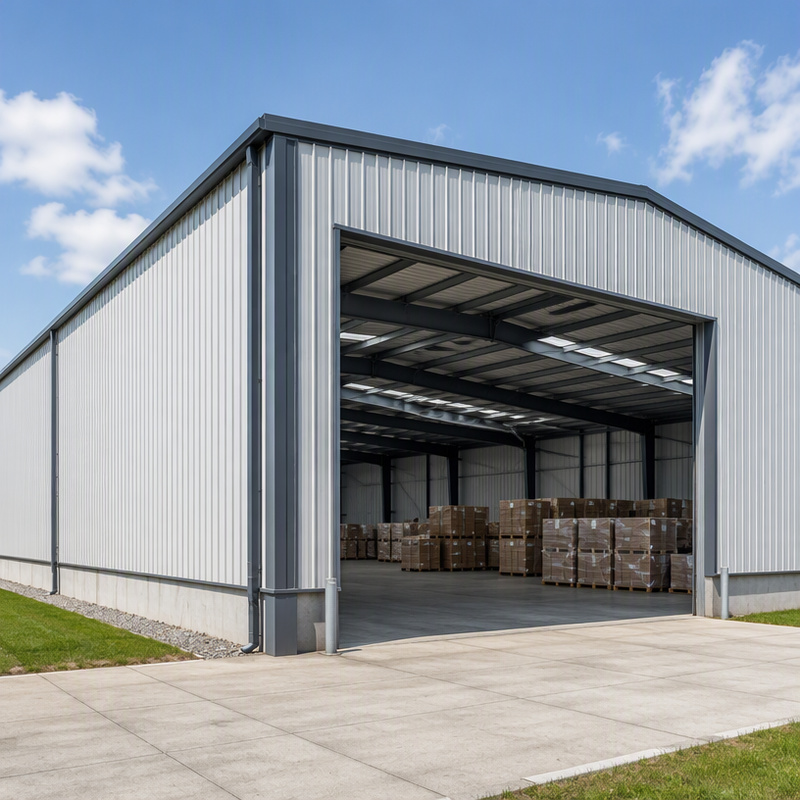
How to Choose the Right Steel Supplier for Your Warehouse Projec

How to Choose the Right Steel Supplier for Your Warehouse Projec

Selecting the right steel supplier is  vital for  ensuring project success. Here are some  critical steps to consider:

Evaluate Expertise  and Experience: Look for  suppliers with a solid track record in steel warehouse construction. Experience in your specific  type of project can significantly reduce risks.


Manufacturing Capabilities: Assess the supplier's production capacity and equipment. Advanced production  lines and CNC equipment, like those utilized by Shenyang Haibo Weiye, can enhance precision  and efficiency.

Quality Assurance: Investigate the supplier's quality control processes. A commitment to quality can  prevent costly mistakes and delays.

Customization  Options: If your project requires specific  dimensions or material types, ensure the supplier can accommodate  these needs. Customization capabilities can provide  a competitive advantage.


Delivery and Lead Times: Confirm delivery schedules and lead times, as delays can impact project timelines and costs.  It’s essential to align  these  with  your  project schedule.

By carefully evaluating these factors, buyers can ensure they select a reliable partner for their steel warehouse construction project.
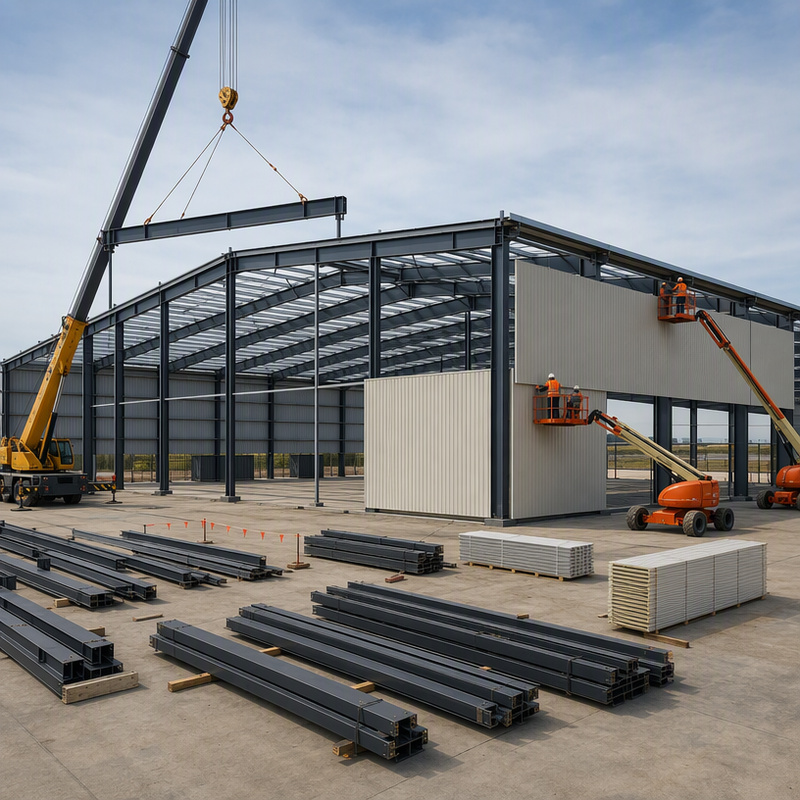
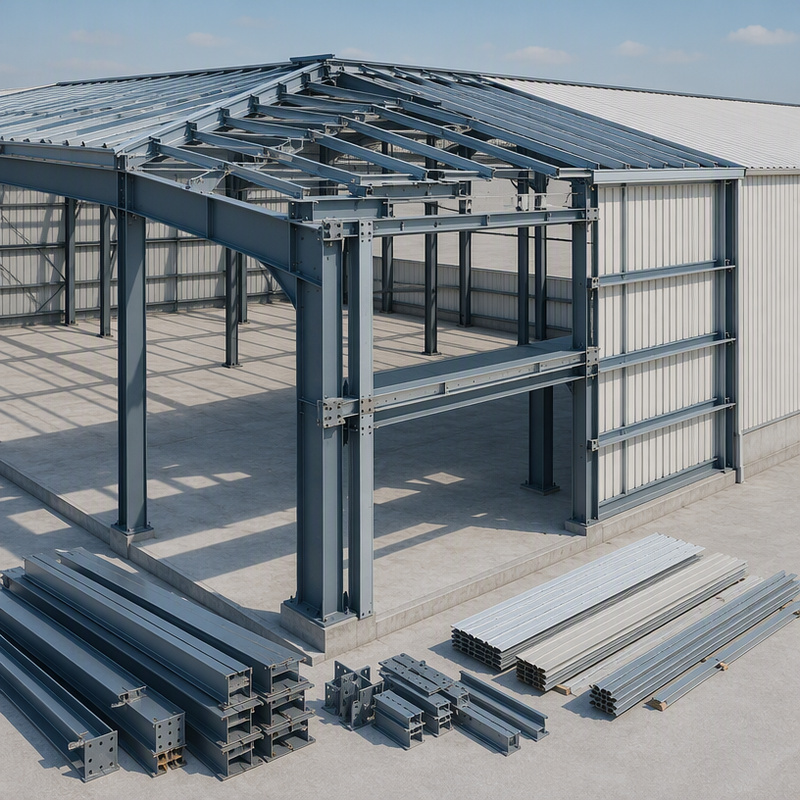
Key Specifications Impacting Steel Warehouse Construction Costs

Key Specifications Impacting Steel Warehouse Construction Costs

Several technical specifications can significantly influence  the overall costs of a steel  warehouse construction project. Key specifications to consider include:

Steel Grade: The strength  and  durability of the steel grade selected will  affect pricing. Higher-grade  steels may cost more upfront but can offer long-term savings through reduced maintenance and  increased lifespan.

Dimensions and Weight: The size and weight of steel components  will directly impact both material costs and  shipping expenses. Larger components may require special handling and transportation  arrangements, increasing costs.

Coating and Treatment: Steel components often  require protective coatings to prevent corrosion. The choice of  coating will influence both material costs and long-term maintenance requirements. Utilizing sandwich panels can be an effective way to enhance durability.

Load Requirements: Understanding the load-bearing requirements of your warehouse is critical. Structures designed to hold heavier loads may require additional materials and engineering, which can increase costs.

Design Compliance: Local building codes and regulations may dictate  specific design  requirements, influencing material choices and overall costs. Ensure your supplier  is knowledgeable about  these regulations.

By closely examining these specifications, buyers can make more  informed decisions  that align  with their  budgetary constraints.

Evaluating Material Quality in Steel Warehouse Construction

Evaluating Material Quality in Steel Warehouse Construction

Material quality  is fundamental in steel warehouse construction, as  it directly  impacts the structure's longevity and performance. Here are essential factors to evaluate:

Certification and Standards: Ensure  that the steel complies with relevant industry standards and certifications.  This  provides assurance of its quality and suitability for construction.

Supplier  Reputation: Research the reputation of the supplier. Companies with a history of quality issues may not be reliable partners.


Sample Testing: Before committing  to a large order, request  samples for testing. This allows you to evaluate the material's performance in real-world conditions.

Inspection Procedures: Learn about  the supplier's quality  control processes. Regular  inspections and testing during production can help prevent defects.

Feedback from Previous Clients: Seeking  testimonials or case studies from past clients  can provide insights into  the supplier’s reliability and product  quality.

By focusing on these  evaluation  criteria, buyers can mitigate  risks associated with material quality and ensure a successful project outcome.

How to Calculate Total Costs for Steel Warehouse Construction

Calculating the total costs for a steel warehouse construction project requires a comprehensive approach. Here’s a structured way to break down the  costs:

Material Costs: Start  with the base cost of  all materials, including steel,  insulation, and other  necessary components. Obtain quotes from multiple  suppliers to ensure competitive pricing.

Labor Costs: Estimate labor expenses  based on local rates and the project's complexity. Include  costs for both skilled and  unskilled labor.

Permitting and Inspection Fees: Factor  in any governmental fees associated with obtaining permits or conducting inspections.

Shipping and Handling: Include costs related to transporting materials to the site. Larger  and heavier components may incur  additional shipping fees.

Contingency Fund: Set aside a percentage of  the overall budget for unforeseen costs. A  common  practice is to reserve 10-15% of the total project budget for contingencies.

By systematically calculating these components, buyers can arrive at a realistic total cost  for their steel warehouse  construction project. This thorough financial planning is vital for successful project execution and budget management.

By considering all  these factors, prospective buyers can navigate the complexities of steel warehouse construction more effectively,  leading to more informed decision-making and successful project outcomes.


What to Consider for Steel Warehouse Construction Cost Estimates

Estimating the  cost of steel warehouse construction involves multiple factors, including material prices, labor costs, and project scope. Key considerations include:

Material  Costs: The primary expense will be the cost of steel, which can  fluctuate based on market demand and global supply chain factors. Understanding the type and  grade of  steel required for your  project is essential, as different materials will have varying  costs. For instance, using steel structure components can optimize your project.

Design Complexity: The architectural design of the warehouse can significantly impact costs. More complex designs may require additional materials and labor, leading to higher overall expenses.


Site Preparation: Site conditions, including soil quality and existing infrastructure, can also influence costs.  If significant site preparation work is required, this will add  to the overall budget.

Labor Costs: Local labor rates and availability will affect the  total project cost. Areas  with skilled  labor shortages  may see increased prices.

Permits and Fees: Don't overlook the costs associated with obtaining necessary permits  and inspections, which  can vary widely  depending on the location and regulatory  environment.

By taking these factors into account, buyers can create a more accurate  estimate of total  construction costs.

Frequently Asked Questions

What factors determine steel warehouse construction cost?

Costs depend on warehouse size, steel grade, roof and wall materials, foundation type, insulation, doors and windows, labor, transportation, and site preparation. Customized features and local regulations also affect total cost.
Provide building dimensions, design drawings, desired materials, insulation and accessory details. We use our production lines and CNC data to offer precise quotes based on material lists and fabrication requirements.
Yes. We integrate design, steel fabrication (H sections, beams, trusses), color steel plates and purlins, and can coordinate delivery and on-site assembly for full project execution.
Higher-grade steel increases material cost but improves strength, load capacity, and longevity. Choosing the right grade balances budget with structural requirements and local environmental conditions.
As a major processor in Northeast China with advanced lines and CNC equipment, we handle large annual output. Lead times depend on order size and complexity; provide project details for a tailored schedule.

Get a Free Quote

Our representative will contact you soon.
Email
Name
Company Name
Message
0/1000

Related product categories

Get a Free Quote

Our representative will contact you soon.
Email
Name
Company Name
Message
0/1000