
Choosing the Right Steel Trusses for Your Project

All Categories

steel trusses

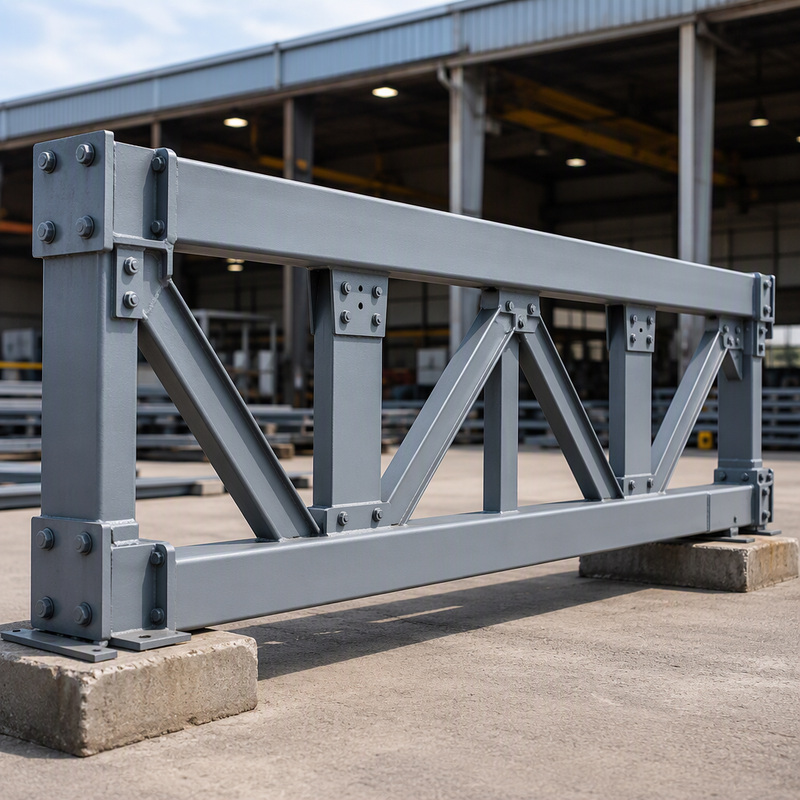
Steel trusses are essential  structural components used  in  various  construction projects, providing support  and  stability to buildings, bridges, and  other structures. As B2B  buyers, purchasing managers, and  engineers consider sourcing steel trusses, their primary concerns often revolve around quality,  specifications,  and application  suitability. This article will guide you through the critical considerations  for choosing the  right steel  trusses,  sourcing them in bulk, understanding  key specifications,  evaluating cost factors, and addressing common  issues.
 
Where to Source High-Quality Steel Trusses in Bulk

Where to Source High-Quality Steel Trusses in Bulk

Sourcing steel trusses  in bulk requires careful consideration of suppliers who can meet your quality and  quantity requirements. One option is  to work directly with manufacturers like Shenyang Haibo Weiye Light Steel Color Plate Co., Ltd, which integrates  design, production, and  sales to provide a range of steel structures, including trusses.


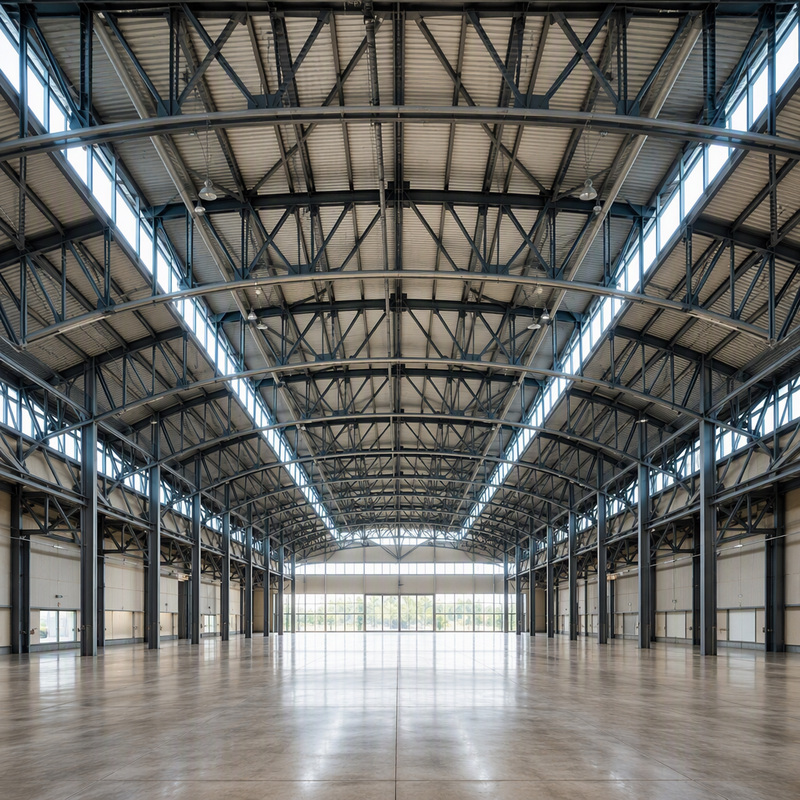
When evaluating potential suppliers, consider their manufacturing capabilities, production  equipment,  and  quality control processes.  A supplier with advanced steel structure production  lines and CNC welding  supporting equipment can ensure precision and  quality  in their products. Moreover, check for their experience in handling  large orders and their ability to customize  trusses based on your specifications. Establishing a strong relationship with  a reliable supplier can  streamline your procurement process  and  enhance project efficiency. For example, a manufacturer specializing in Prefabricated Steel Structure Warehouse Building could be beneficial for large-scale projects.
Key Specifications to Consider for Steel Trusses

Key Specifications to Consider for Steel Trusses

When  assessing steel trusses, several critical specifications should be taken into account:

Material Quality: The type  of steel used (e.g., structural steel, high-strength steel) can significantly influence the truss's performance and durability. Ensure that the material meets relevant industry standards.

Dimensions and Weight: Consider the span length, height, and width of the trusses. This information is crucial for ensuring compatibility with your project’s  structural requirements.

Load Capacity: Understanding the maximum load that the trusses can support is vital. This includes live  loads (temporary loads like people and furniture) and dead loads (permanent loads like the weight of the  structure itself).

Connection Types: Evaluate how the trusses will be connected to other  structural  elements. The type of joints (welded, bolted, or riveted) can affect the overall stability and strength  of the assembly.

Finish and  Coating: Depending  on the  application,  the finish (galvanized, painted, or untreated) can impact the  truss's resistance to environmental factors such as  moisture, corrosion, and UV exposure.


By  thoroughly understanding  these specifications, you can ensure that the steel  trusses you  select will meet your project's demands effectively.

 
Cost Factors for Wholesale Steel Trusses Explained

Cost Factors for Wholesale Steel Trusses Explained

The cost of steel trusses can vary significantly based on multiple factors. Key considerations include:

Material Costs: Fluctuations in  the price of raw steel can  directly impact the final cost of trusses. It is advisable to stay informed about market trends  and negotiate prices with suppliers accordingly.

Customization: Customizing trusses  to  fit  specific project requirements may incur additional costs. Discuss your needs with the manufacturer to understand the implications  of design changes  on pricing.

Order Quantity: Bulk purchasing typically leads to cost savings; however, minimum order quantities (MOQ) must be considered. Ensure that your order aligns with  the supplier's MOQ to avoid unexpected expenses.

Transportation and Handling: The location of the supplier and the logistics  involved in  transporting the trusses can influence overall costs. Factor  in shipping fees and potential tariffs  for international orders.


Lead Time: Urgent orders may attract higher  costs due to expedited processing. Plan your procurement well in advance  to minimize costs associated with rushed orders.

By evaluating these  factors, you can better  understand the pricing structure for wholesale  steel  trusses and make strategic purchasing decisions.

Common Problems with Steel Trusses and Their Solutions

While steel trusses are generally robust, several common issues can arise during their use,  which buyers should be aware of:

Corrosion: Steel trusses are susceptible to corrosion, especially in humid or coastal environments. To  mitigate this, ensure that the trusses are adequately coated with protective finishes, such as galvanization or paint, suitable for the intended environment.

Misalignment: During installation,  if the  trusses are not correctly aligned, it can lead to structural  weaknesses. Implementing strict  quality control during installation and  using precise measuring tools can prevent this  issue.

Load  Miscalculations: Underestimating  load requirements can lead to  structural failure. Always consult  with engineers to verify load calculations before finalizing truss specifications.

Quality  Assurance: Inconsistencies in manufacturing can lead to defects in trusses. Buyers should request quality control documentation from suppliers and consider conducting third-party inspections if necessary.


By recognizing these potential problems and their solutions, buyers can take proactive  steps to ensure the longevity and safety of  their steel trusses.

In  summary,  understanding the intricacies of steel trusses—from selection criteria to sourcing, specifications, cost factors, and common challenges—equips B2B buyers with the knowledge needed to make informed decisions. By partnering with a reputable manufacturer and maintaining clear communication throughout  the procurement process, you can successfully meet  your project requirements and achieve structural integrity.

Choosing the Right Steel Trusses for Your Next Projec

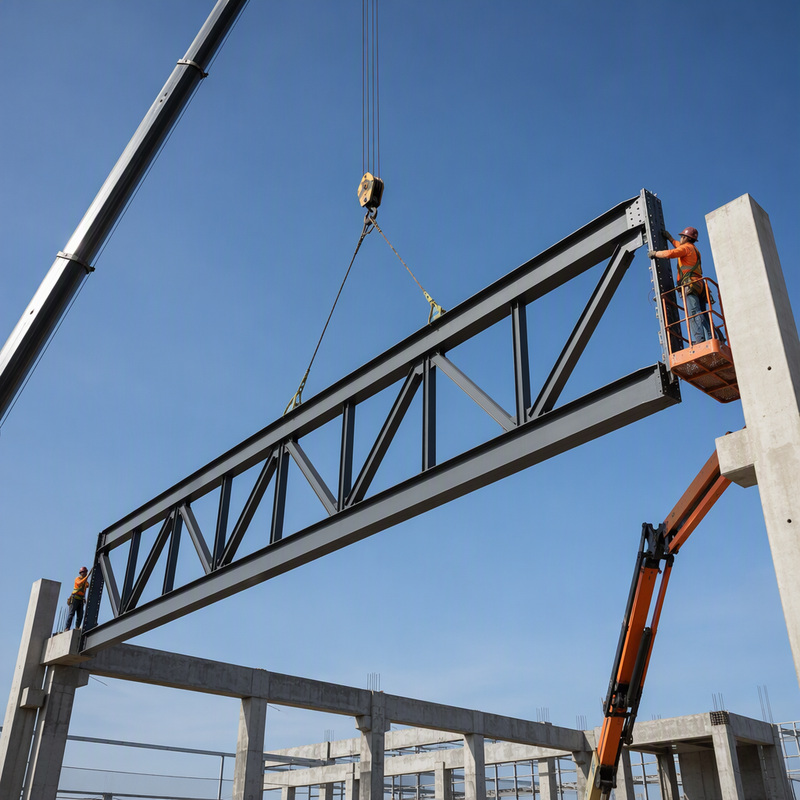
When selecting steel trusses, the first step is  to consider  the specific requirements of  your project.  Different applications may  necessitate  different truss  designs, such as Warren, Pratt, or Howe trusses, each offering unique benefits depending on load distribution and span requirements. It’s  essential to  discuss your project's  load requirements, environmental conditions, and design preferences with your supplier. For instance, if you're considering using trusses in a greenhouse, you might want to explore the Galvanized Film Greenhouse Tunnel Plastic Grow Tunnel for its suitability.

Additionally, factors such  as the type of materials used, the manufacturing process, and the intended use of the trusses will significantly  influence  your choice. For instance,  galvanized steel trusses might be preferred in environments prone to  corrosion, while  painted trusses  may  suffice for indoor applications. Understanding these nuances will help you make an informed decision  that aligns with your project goals.

Frequently Asked Questions

What types of steel trusses do you produce?

We manufacture various steel trusses including H-section, box-column supported, and custom-designed trusses for roofs, halls, and bridges to meet different engineering needs.
Yes. We offer integrated design and production with CNC and welding equipment for tailored truss dimensions, load capacities, and connection details.
We use high-quality structural steel and follow industry standards for strength and welding. Material grades and surface treatments are selected per project specifications.
Lead time varies by size and quantity; typical delivery ranges from several weeks to a few months. Contact us with project details for an accurate schedule.
Yes. We supply assembly drawings, installation instructions, and can coordinate on-site support or supervision depending on project scope and contract terms.

Get a Free Quote

Our representative will contact you soon.
Email
Name
Company Name
Message
0/1000

Related product categories

Get a Free Quote

Our representative will contact you soon.
Email
Name
Company Name
Message
0/1000