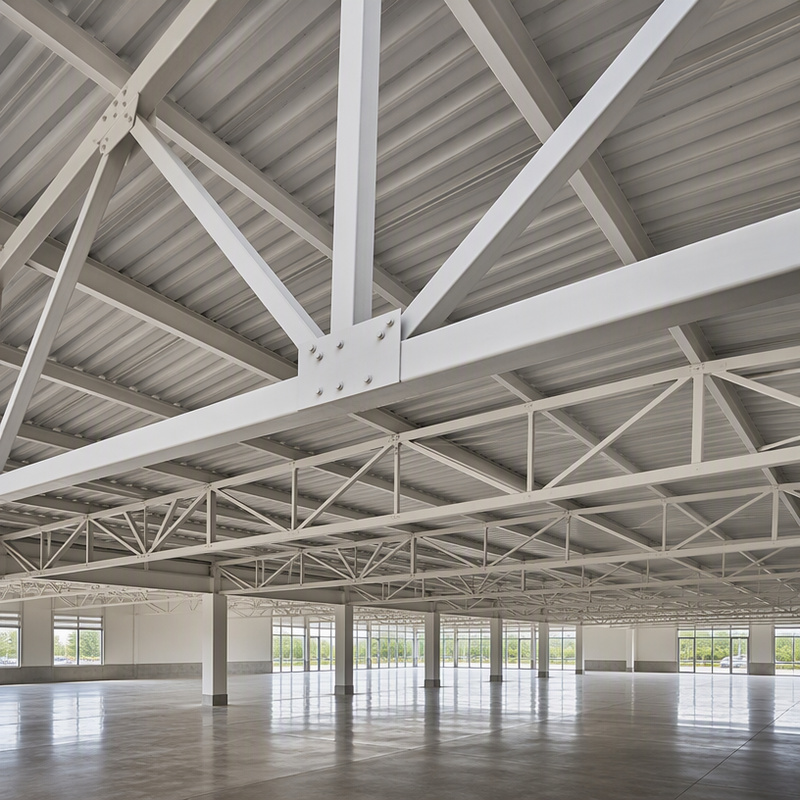
Choosing Quality Metal Roof Trusses for Projects

All Categories

metal roof trusses

Metal  roof trusses are essential structural components used  in various  building applications, from residential  homes to large commercial projects. Their design and construction significantly influence the durability, load-bearing  capacity, and overall performance of  the  roof system. For  B2B  buyers, understanding the specifications and quality  of  metal roof  trusses is  crucial for making informed purchasing  decisions. This article aims to provide guidance on key aspects such  as selection criteria,  quality  evaluation,  supplier identification,  common issues, and comparisons of different truss types.
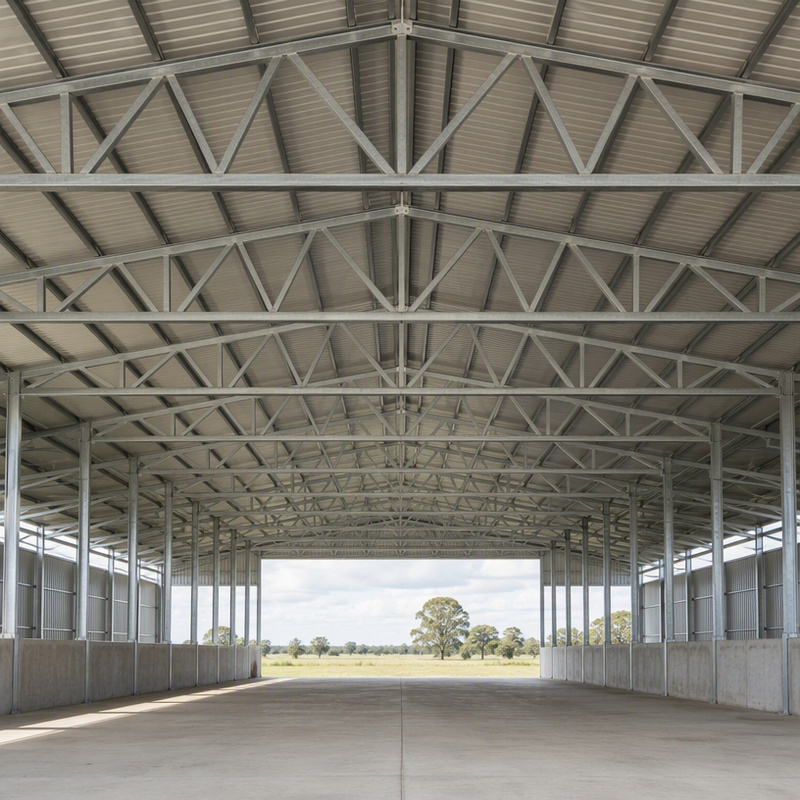
 
How to Evaluate the Quality of Metal Roof Trusses from Suppliers

How to Evaluate the Quality of Metal Roof Trusses from Suppliers

Evaluating the quality of metal roof trusses from suppliers involves  a few critical steps. First, buyers should  request product specifications that  include the  dimensions, material grades, and load capacities of the trusses. This information helps ensure  that the trusses meet the structural requirements of  the project.


Next, it's advisable to  inquire  about the manufacturer's  quality control processes. A reputable supplier will have established procedures for inspecting materials and finished products to ensure they meet industry standards.  Certifications such as ISO 9001 can indicate a  commitment to  quality management practices.


Additionally,  buyers should consider requesting samples before placing a bulk order. Inspecting a sample allows for a hands-on assessment of the truss's construction quality and finishing.  It's also beneficial to review any testing  data available  for the trusses,  such as load testing results, to ensure they perform as intended.
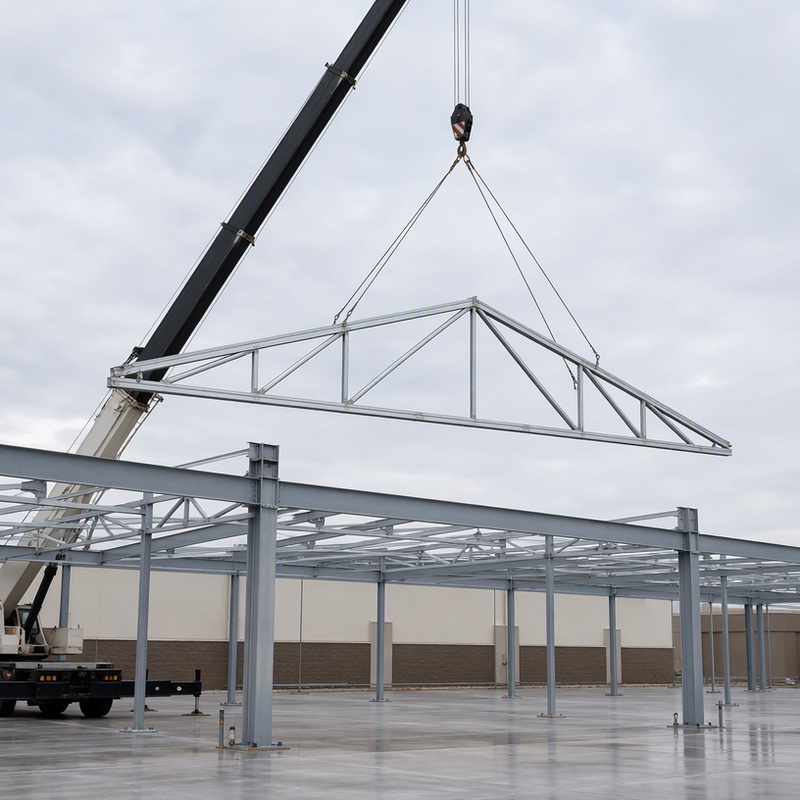
 
Where to Find Reliable Wholesale Suppliers of Metal Roof Trusses

Where to Find Reliable Wholesale Suppliers of Metal Roof Trusses

Finding reliable wholesale suppliers  of metal roof trusses can significantly  impact  the  purchasing process. Industry trade shows and exhibitions are excellent platforms for discovering reputable manufacturers and  suppliers. These events allow buyers to meet suppliers face-to-face, examine product offerings, and discuss specific needs.

Online  B2B marketplaces can also  be useful for comparing different suppliers and their product ranges. Websites that cater specifically to the construction and  manufacturing  industries often feature supplier ratings and reviews, which can provide insights  into their  reliability and product  quality.

Networking  with  industry  professionals and seeking recommendations from peers can lead to trustworthy suppliers.  Engaging with  professionals in the construction sector  can yield valuable insights  into  which manufacturers consistently deliver quality products and services.

Common Problems with Metal Roof Trusses and Their Solutions

Common Problems with Metal Roof Trusses and Their Solutions

Metal  roof trusses may  encounter several common issues that can affect their performance and longevity. One frequent problem is corrosion, particularly in environments with  high humidity or exposure to chemicals. To mitigate this  risk, selecting galvanized or coated steel trusses  is advisable, as these treatments enhance corrosion resistance.

Another concern is the potential for misalignment during installation.  Proper installation techniques  are crucial to ensure that the trusses  fit correctly and provide the necessary support. Engaging  experienced contractors who understand the specific requirements of metal  roof trusses can reduce  the likelihood  of  such issues.

Additionally, improper  load  distribution can lead to structural failures. To address  this,  buyers must ensure that  the truss  design is appropriate for the intended loads and that any modifications made during construction are well-documented and approved by a  structural engineer.

Comparing Different Types of Metal Roof Trusses for Your Needs

When comparing different types of metal roof trusses, it's essential to understand their distinct characteristics and applications.  For instance, king post trusses are suitable for smaller spans and are often used in residential buildings. They offer simplicity and ease of  installation,  making them a popular choice for less complex structures.

On the other hand, Howe and Pratt trusses are ideal for larger spans and  commercial applications. These designs efficiently distribute loads across a wider area, which makes them suitable for warehouses  and industrial buildings. Buyers should also consider the aesthetic aspects of the truss design, especially  for visible structures  in residential settings.

Furthermore, the choice of truss type can affect the overall construction  timeline and  costs. More complex designs may require additional engineering  and  longer lead times, which should be factored  into the project schedule and budget. Assessing  these factors  alongside the specific needs of the project  will help ensure  the right truss design is selected.

By understanding these key considerations, evaluating quality, identifying reliable suppliers, recognizing common issues, and  comparing different truss types,  B2B buyers can make informed decisions when purchasing metal  roof  trusses. These steps will contribute to the success and longevity of their construction projects.

What to Consider When Choosing Metal Roof Trusses for Your Project

When selecting metal roof  trusses, several factors must be considered  to ensure they  meet the project's specific requirements. First, the type of  material plays a crucial role in the truss's strength  and durability. Common materials  include  galvanized steel, which offers excellent corrosion resistance, and various grades of structural steel that provide  different load-bearing  capacities.

Next,  buyers should assess the truss design, which can vary  based on the load, span, and architectural requirements  of the building. Common  designs include king post, queen post, and Howe trusses, each serving different structural needs. Additionally, it's essential to consider  the environmental conditions where the trusses will be installed. For instance, areas with  high wind loads or seismic activity may require  specially engineered trusses to enhance stability.

Customization capabilities are  also vital. Many manufacturers, like Shenyang  Haibo Weiye Light Steel Color Plate Co., Ltd, offer tailored solutions  to accommodate unique design specifications, ensuring compatibility with  existing structures or specific architectural styles.

Frequently Asked Questions

What are metal roof trusses made of?

Our metal roof trusses are fabricated from high-strength H-section steel, box columns and beams with precision welding and CNC processing to ensure durability and load-bearing capacity.
We manufacture trusses for a wide range of spans, from small sheds to large industrial buildings. Specific span capacity depends on design, material thickness and loading; provide project details for exact sizing.
Yes. We integrate design, production and sales to deliver custom truss solutions tailored to structural requirements, site conditions and architectural needs using our advanced production lines.
Trusses can be supplied with corrosion-resistant coatings or painted finishes compatible with composite and color steel profiled plates to meet environmental and aesthetic requirements.
Provide building dimensions, span, roof pitch, load requirements, site location and any architectural constraints. We will assess and supply detailed drawings, materials list and pricing.

Get a Free Quote

Our representative will contact you soon.
Email
Name
Company Name
Message
0/1000

Related product categories

Get a Free Quote

Our representative will contact you soon.
Email
Name
Company Name
Message
0/1000