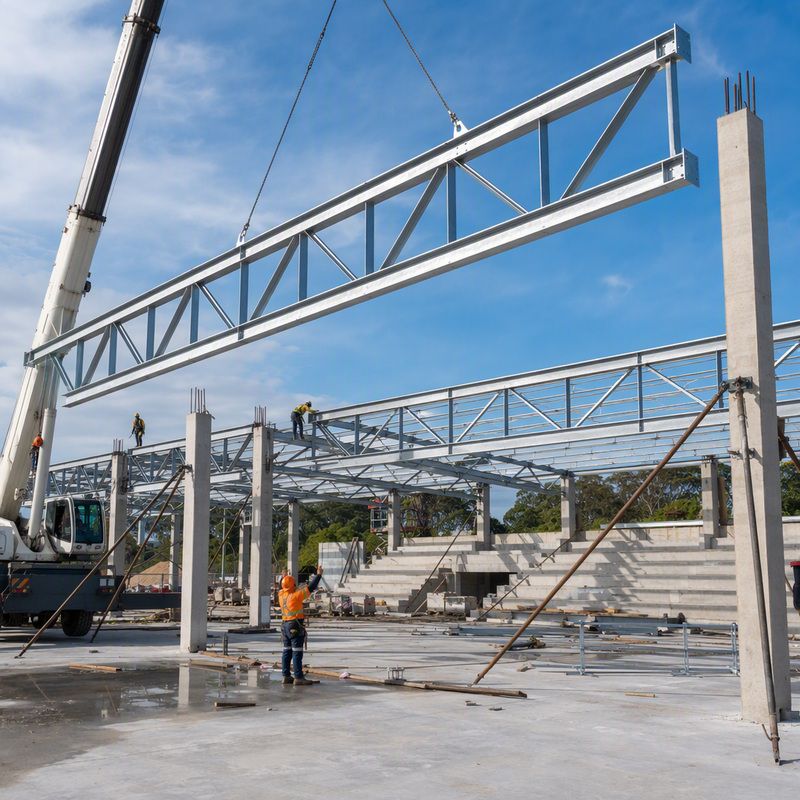
Choosing Steel Metal Trusses for Your Projects

All Categories

steel metal trusses

Steel metal trusses are  critical components in a variety  of  construction and  engineering projects,  providing essential  support and stability. B2B buyers—such  as  purchasing managers, engineers, and project managers—often face  challenges in  choosing the right trusses for  their specific needs, given the numerous factors that influence performance  and application suitability. This article will guide you through the key  considerations  for selecting steel  metal  trusses, evaluating their quality, sourcing reliable suppliers, understanding  crucial specifications, and  exploring their applications in commercial and  industrial projects.
 
How to Evaluate the Quality of Steel Metal Trusses for Bulk Orders

How to Evaluate the Quality of Steel Metal Trusses for Bulk Orders

Quality  assessment is  vital when  ordering steel metal trusses in bulk. Start  by reviewing the manufacturer's quality control processes. A reputable supplier should  have comprehensive quality assurance protocols in place, including inspections at various stages of  production.

Request documentation that details material specifications, such as yield  strength and tensile strength, which indicate the truss's  ability to withstand loads without failure. Additionally, ask for certification  of compliance with industry  standards, such as  ISO  or ASTM, to  ensure that the products meet recognized quality  benchmarks.

Inspecting samples before placing  a bulk  order is also advisable. This allows you to  evaluate the truss's finish, weld quality, and structural integrity under real-world conditions. Establishing a solid understanding  of these quality indicators  will help mitigate risks associated with  bulk purchasing.
Where to Source Reliable Steel Metal Trusses for Wholesale Purchasing

Where to Source Reliable Steel Metal Trusses for Wholesale Purchasing

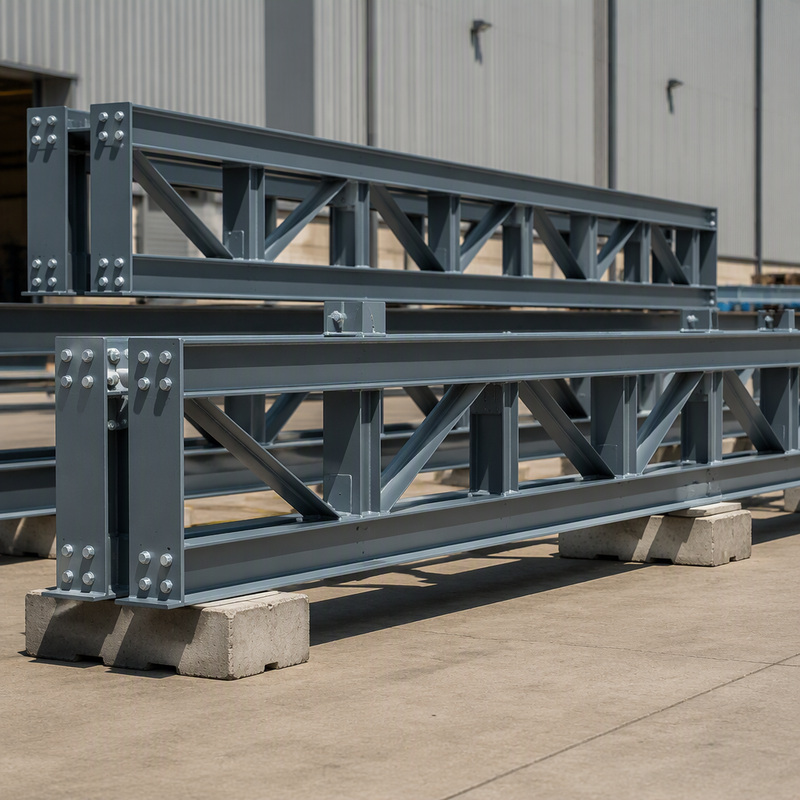
Sourcing reliable steel metal trusses involves identifying manufacturers  and suppliers with a proven track record. Start by  conducting thorough research on  potential  suppliers, paying attention to their production capabilities  and market reputation. 

Local suppliers may offer advantages in terms of lead time  and shipping costs, but don't  overlook international manufacturers who  may provide competitive pricing and extensive customization options.  Verify the supplier's experience in the  industry, particularly in producing trusses  for your intended application,  whether it be  commercial, industrial, or  infrastructural. It may also be beneficial to consider Commercial Steel Buildings as a reference for sourcing.

Engage in direct communication with potential suppliers to discuss your requirements and assess their customer service responsiveness.  A supplier that understands  your needs and provides  clear, prompt answers is likely to be a  more reliable partner in your procurement process.

 
Key Specifications to Look for in Steel Metal Trusses and Beams

Key Specifications to Look for in Steel Metal Trusses and Beams

When evaluating steel metal trusses and beams,  several key  specifications should be prioritized:

Material  Grade: The steel grade (e.g., S235, S275) impacts the truss's strength and corrosion resistance. Ensure the grade aligns  with your project's load requirements and environmental conditions.

Dimensions: Confirm  the dimensions of the trusses, including height, width, and thickness. These factors influence  both aesthetic appeal and structural  performance.

Weld Quality: The quality  of  welds is crucial for structural integrity. Check  for consistency and strength in welds, as poor welding can lead to critical failures.

Surface Treatment: Consider  whether the trusses require surface treatments, such as galvanization, to enhance corrosion  resistance, especially in humid or  corrosive environments.

Load  Capacity: Ensure that the trusses are rated for the specific loads they will  bear.  This information should be readily  available from the manufacturer.


Evaluating these specifications will help ensure that the steel metal trusses you  select  are suitable for your project’s requirements.

Applications of Steel Metal Trusses in Commercial and Industrial Projects

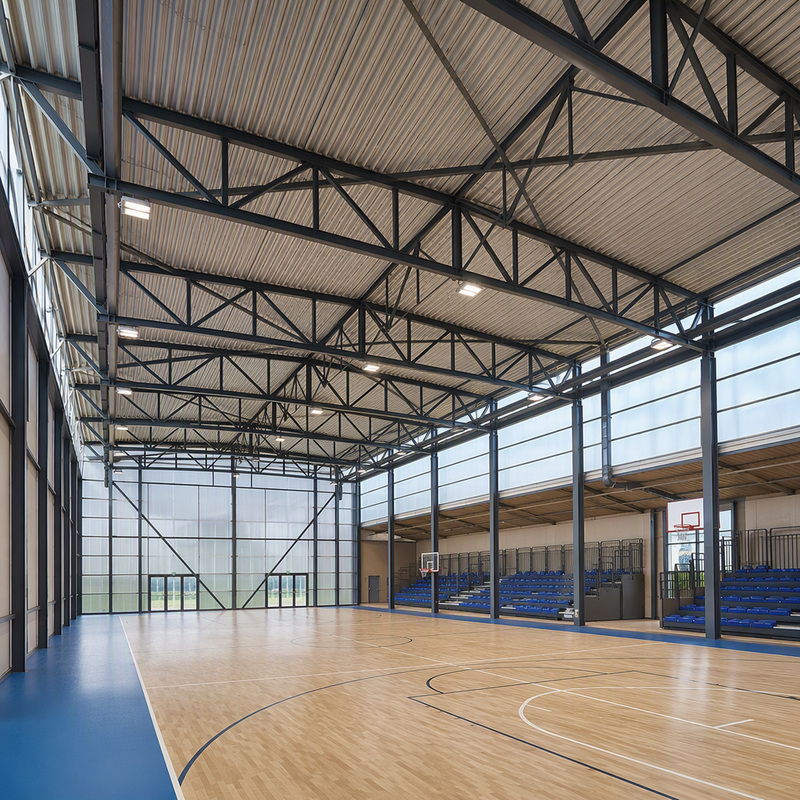
Steel metal trusses are versatile components  used  in a wide range of  commercial and industrial applications. In commercial  construction, they  are often  employed in buildings such as warehouses, shopping centers, and sports facilities, where large open spaces  are required. Their ability  to support heavy loads while spanning considerable distances makes  them ideal  for these environments.

In industrial  settings, steel trusses are utilized in manufacturing plants, distribution centers, and bridges. They offer the  strength needed to support heavy machinery and equipment, as well as the flexibility to accommodate  future  modifications. The  durability of steel also ensures longevity and reduced maintenance costs in harsh operational conditions.

Specific applications can also  dictate design choices. For instance, trusses  used in a high-rise building may require a different configuration than those used in a low-rise structure. Understanding  these application contexts will help you make informed decisions about which type of truss is best suited for your project.

By considering these factors, evaluating  quality, sourcing reliable suppliers, and understanding specifications, you can make informed decisions regarding steel metal trusses that meet  the demands of your projects effectively.

What to Consider When Choosing Steel Metal Trusses for Your Project

When selecting steel metal  trusses, several factors come into  play. First, consider the load requirements of your project.  Trusses must  be designed to support the specific weight and forces they will encounter, including static loads from the building itself and  dynamic loads from environmental factors  such as wind and  snow.


Next, evaluate  the span and height of the trusses.  Longer spans may require specialized designs to  ensure stability and strength, while the height can impact the overall aesthetic and functionality of  the structure.  Material selection  is  also critical; high-quality steel offers durability and flexibility, which  are  essential in  minimizing deformation under load. Additionally, considering options such as Warehouses & Logistics Centers can provide insights into specific applications of trusses.

Finally, consider customization options. Many manufacturers, like Shenyang Haibo Weiye Light Steel Color Plate Co., Ltd, provide tailored solutions to meet unique project specifications. Discuss your project  requirements with potential suppliers to ensure they can accommodate your needs.


Frequently Asked Questions

What types of steel trusses do you manufacture?

We produce various steel trusses including H-section, box columns, beams and custom-designed trusses for roofs, industrial and bridge applications using CNC and welding equipment.
We use high-strength structural steels and industry-standard coatings and composite plates, adhering to regional engineering specifications for durability and load performance.
Yes. We offer integrated design services with engineering drawings, CNC fabrication and welding to meet project-specific dimensions and load requirements.
As a large processor in Northeast China, we have high annual output. Lead time depends on order size; typical fabrication ranges from weeks to months after design approval.
We provide technical guidance for installation, fabrication drawings, and after-sales support for quality issues and performance questions to ensure project success.

Get a Free Quote

Our representative will contact you soon.
Email
Name
Company Name
Message
0/1000

Related product categories

Get a Free Quote

Our representative will contact you soon.
Email
Name
Company Name
Message
0/1000