EN
Steel roof trusses are critical structural components used in various construction projects, providing essential support and durability for roofing systems. As a purchasing manager or engineer, understanding the key aspects of steel roof trusses is vital for making informed decisions. This article will guide you through what to look for when selecting steel roof trusses, best practices for procurement, common issues and solutions, material advantages, and insights into the manufacturing process, ensuring you are well-equipped to make the right choices for your projects.
Best Practices
To ensure a successful procurement process for steel roof trusses, follow these best practices:
Engage with Experienced Suppliers: Choose suppliers with a reputable manufacturing background and experience in producing steel roof trusses. Engaging with a knowledgeable supplier can help in navigating technical specifications and provide insights into material selection.
Request Detailed Quotations: When requesting quotes, provide comprehensive information regarding the project, including dimensions, load requirements, and delivery timelines. This will enable suppliers to offer accurate pricing and lead times.
Verify Material Specifications: Ensure that the materials used in the trusses are suitable for your application. Common steel grades include ASTM A36 and A992, each with different mechanical properties. Discuss these specifications with your supplier to ensure they align with your structural requirements.
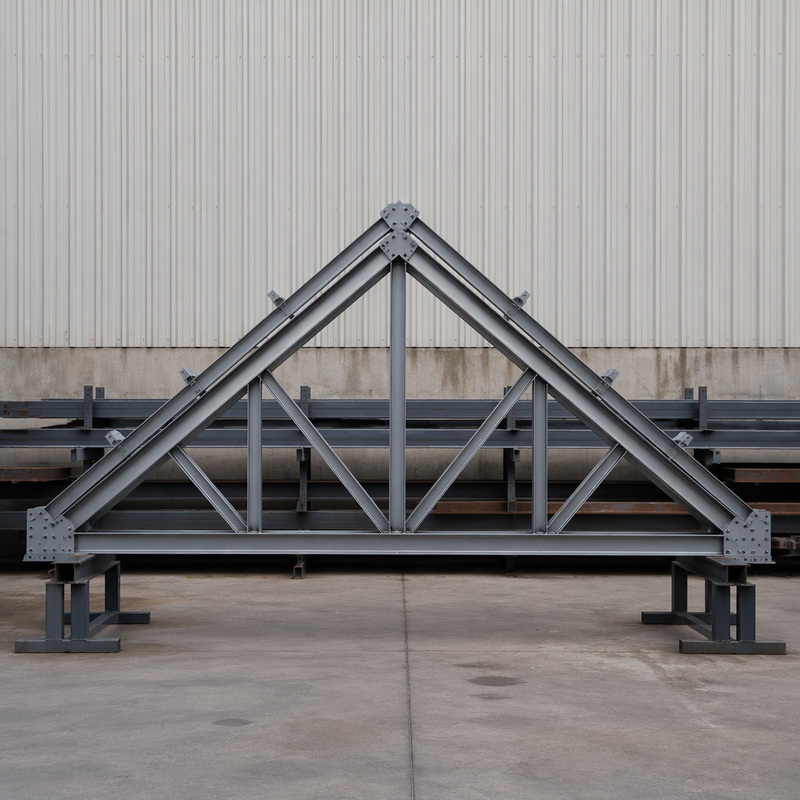
Inspect Samples: Before finalizing an order, request samples of the trusses. This allows you to assess the quality, finish, and dimensions. A well-executed sample can prevent discrepancies in mass production.
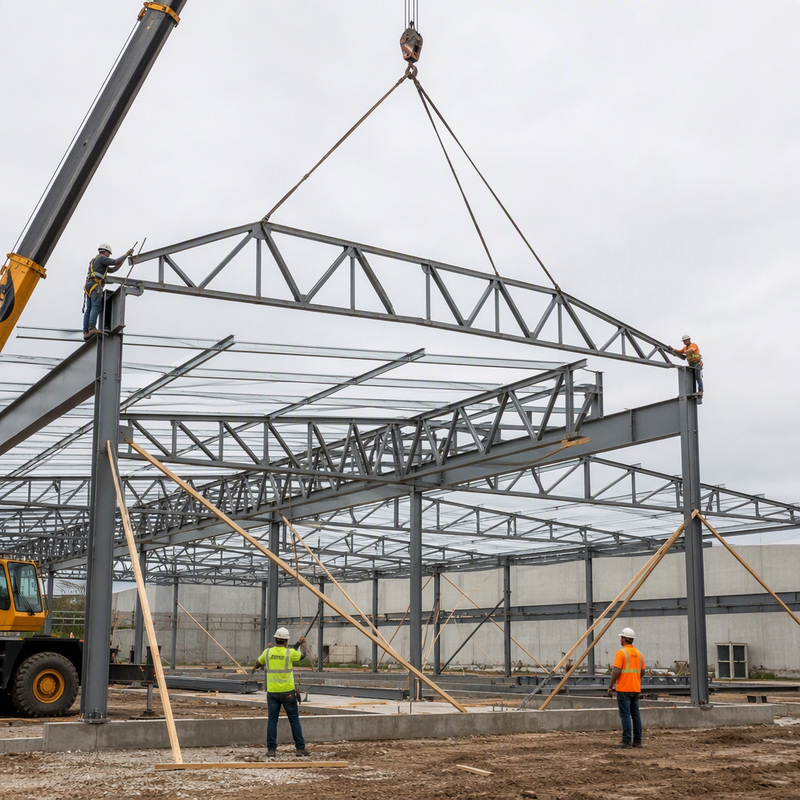
Plan for Installation: Coordinate with your construction team to understand installation requirements. Proper planning can help in avoiding delays and ensuring that the trusses fit correctly within the overall structure.