Guide to Polyurethane PU Foam Quality and Applications

All Categories

polyurethane pu foam

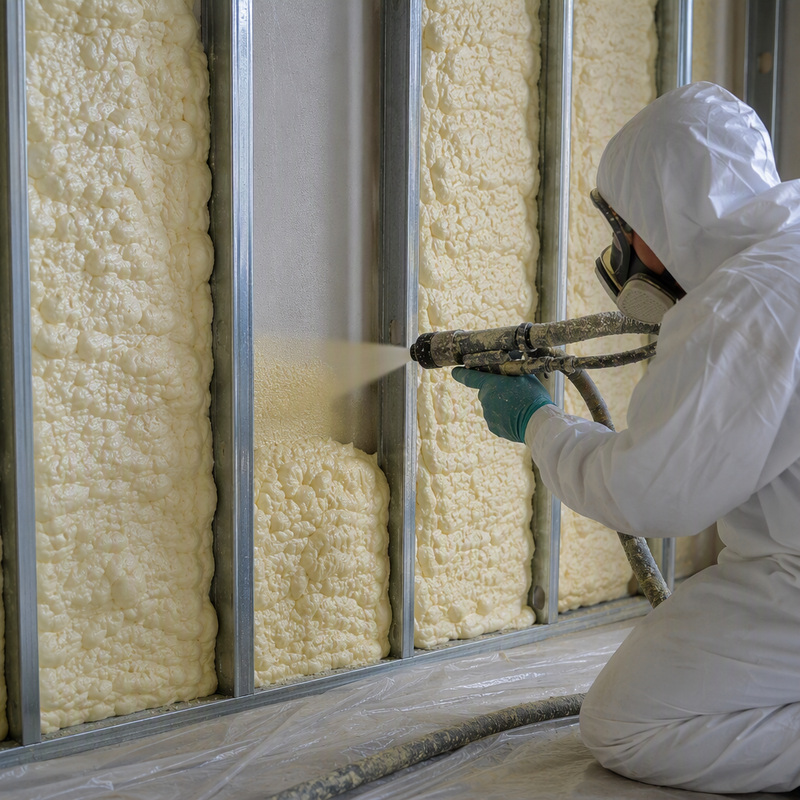
Polyurethane PU foam is a versatile material widely  used  across various industries for  insulation, cushioning, and structural  applications. As a B2B buyer, understanding  the nuances of PU foam products  is crucial for  making informed  purchasing decisions.  Key buyer concerns  often revolve  around quality, application  suitability,  and  pricing. This article will  delve into evaluating  PU foam quality,  provide  a sourcing guide, explore its applications in manufacturing, and outline  its  material advantages.
A Step-by-Step Guide

A Step-by-Step Guide

Define  Your Requirements: Start by outlining your specific needs, including application type, load-bearing capacity, and environmental considerations.

Request Specifications: When reaching out to suppliers,  request detailed specifications including density, compression  strength, thermal conductivity,  and fire safety ratings.

Evaluate Samples: Before finalizing an order, ask for samples. Inspect the foam for consistency in texture and color, and test its performance under  actual conditions relevant to  your application.

Check for Certifications: Ensure that the PU foam complies with relevant  industry standards and certifications. This may include  fire safety ratings and environmental impact certifications.

Discuss Customization Options:  If  your application requires specific  dimensions or performance characteristics, discuss customization capabilities with your supplier. This can  include custom formulations or  cut sizes. You might also want to consider Commercial Steel Buildings as an option for custom projects.

Review Packaging  and Shipping: Understand how the foam will be packaged and  shipped to avoid damage during transport. Proper packaging is essential for maintaining the integrity of the foam.

Confirm Lead Times and  Minimum  Order Quantities (MOQs): Clarify lead times and  MOQs to  ensure they align with your  production schedule.
Cost Factors to Consider When Sourcing Polyurethane PU Foam

Cost Factors to Consider When Sourcing Polyurethane PU Foam

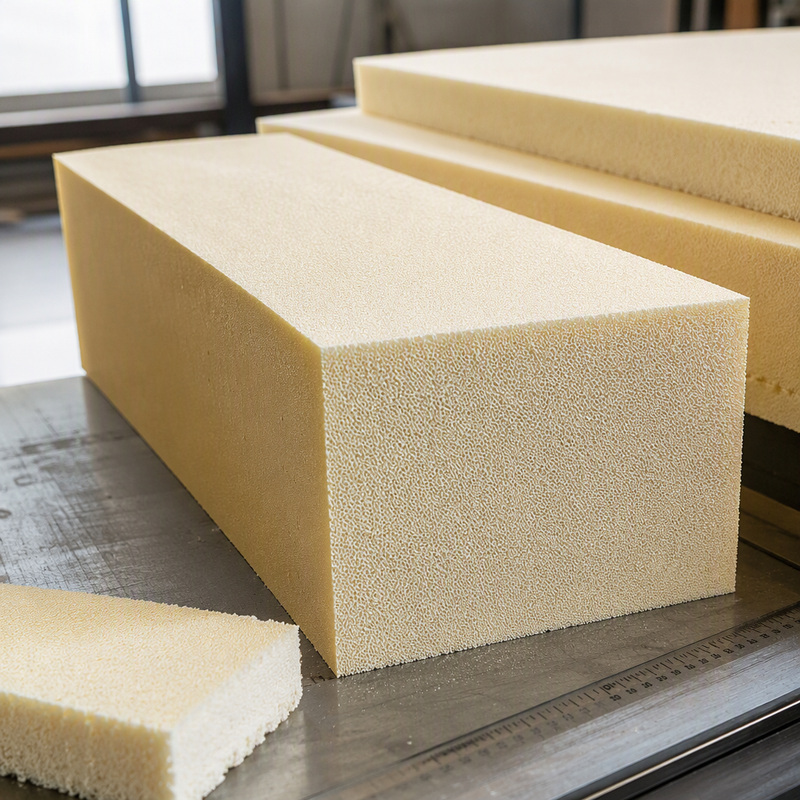
Pricing for polyurethane  PU foam can vary significantly based on several factors. First, the density and quality of the foam directly impact its cost. Higher  density foams,  while more expensive, often provide better performance  and longevity, making them more cost-effective in the  long  run.


Customization also plays a  crucial role in pricing. Custom formulations or specific dimensions can incur additional costs, so it's important to evaluate  whether  the benefits justify the price increase.  Moreover, the volume of your order will influence pricing; larger  quantities typically lower the per-unit cost.

Shipping and handling fees can add  to the total cost, especially if the foam is being transported over long distances. Discussing logistics  with your supplier can help you identify the most cost-effective shipping options.

Finally, consider the total cost of  ownership,  which includes not just  the purchase  price, but also installation, maintenance,  and potential replacement costs over time. Investing in higher-quality PU foam may reduce long-term expenses related to performance and  durability.

Application Scenarios for Polyurethane PU Foam in Manufacturing

Application Scenarios for Polyurethane PU Foam in Manufacturing

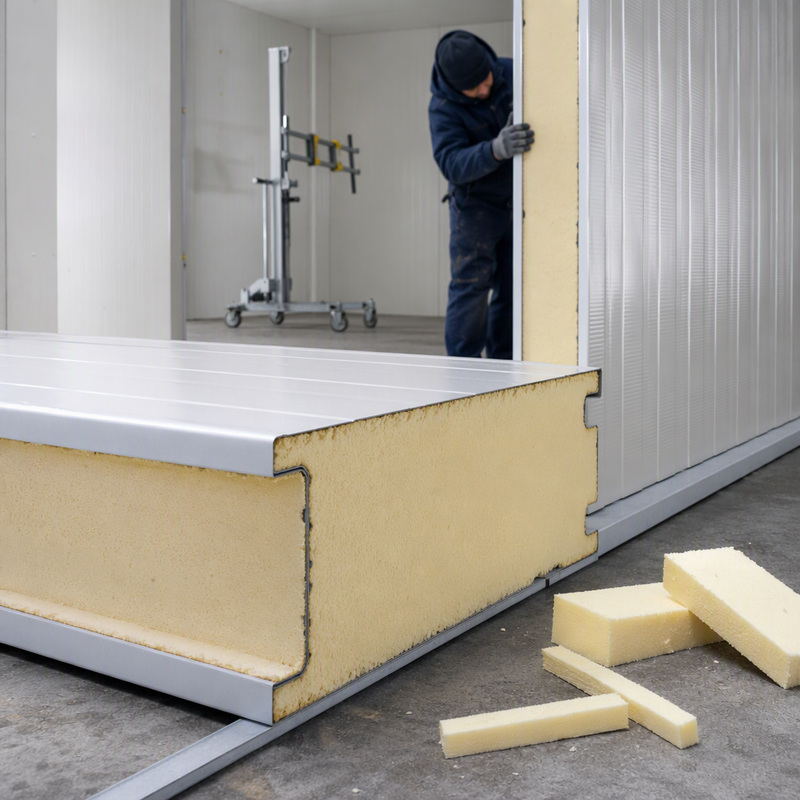
Polyurethane PU foam is utilized in various manufacturing  applications due to its adaptability.  In the automotive industry,  it is commonly used for seating and  insulation, providing comfort while also enhancing energy  efficiency. In construction, PU foam is valued for its  insulating properties,  often used in wall panels and roofing  systems to reduce energy costs. For roofing solutions, consider our Corrugated Roofing Sheets.

Another significant application is in  the  furniture sector, where  PU foam  is used  for cushions and padding, offering excellent comfort and  durability. In the packaging industry, it  serves  as  protective cushioning for fragile items during shipping.

Moreover, PU foam is increasingly used in medical devices, including prosthetics and orthopedic  supports, due to its lightweight yet supportive characteristics. The versatility of  PU foam makes it a preferred  choice across multiple sectors, ensuring that manufacturers can meet diverse product requirements effectively.

Understanding the Material Advantages of Polyurethane PU Foam

Polyurethane PU foam offers  numerous material advantages that make  it an attractive choice for various applications. One of its primary benefits is its excellent thermal  insulation properties, which help maintain temperature control in applications ranging from refrigeration to  building insulation.

Another significant advantage  is its lightweight nature, which facilitates easier handling and  installation. This property is especially beneficial  in industries  like transportation, where reducing  weight can lead to improved fuel  efficiency.

PU foam also exhibits good chemical resistance, making it suitable for  use in environments where exposure to oils, solvents, or other chemicals is a concern. Additionally,  its flexibility allows it to be molded into various shapes and  sizes, accommodating a wide  range of design requirements.

Lastly, the foam's ability to absorb  sound makes it an ideal  choice for soundproofing applications, further broadening its usability in construction and manufacturing. By  understanding  these material advantages, buyers can  make informed decisions about how  PU foam can best serve their specific needs.

Evaluating the Quality of Polyurethane PU Foam Products

When  assessing the  quality  of polyurethane PU foam products, several key specifications should be considered. Density is  one of the  most significant indicators of quality; higher density foams typically offer better durability and  insulation properties.  For instance, PU foams  with a density  of  30 kg/m³ or higher are often preferred for structural  applications due to their resilience. If you're looking into structural options, consider exploring our Steel Structure Buildings.

Another important factor is  the foam's  compression strength, which affects how well it can  withstand loads without deforming. Buyers should review the foam's resilience and recovery properties, ensuring it can return to its original shape after compression.  This is particularly vital in applications like seating or mattress manufacturing.

Additionally, the foam's ignition resistance and thermal conductivity should be evaluated. A  quality PU foam  will meet industry standards for fire  safety while providing  adequate insulation to minimize heat loss. Engaging with suppliers who can provide test  results or certifications for these parameters is advisable to ensure product reliability.

Frequently Asked Questions

What is polyurethane (PU) foam used for?

PU foam is used for insulation, soundproofing, cushioning, sealing, and lightweight structural filling in construction, roofing, panels, and engineered steel assemblies produced by our facility.
We offer rigid and semi-rigid polyurethane foam formulations suitable for insulation, composite panels, and structural filling compatible with steel profiles and color plates.
Yes. Our PU foam integrates with H beams, box columns, trusses, composite plates and color profiled panels for thermal insulation and improved structural performance.
Our rigid PU foam provides high thermal insulation (low thermal conductivity) and can be formulated to meet common fire retardancy standards required in building projects.
Production uses advanced CNC and welding lines with strict QC to ensure consistent foam density, bonding, and compatibility with steel components for varied engineering projects.

Get a Free Quote

Our representative will contact you soon.
Email
Name
Company Name
Message
0/1000

Related product categories

Get a Free Quote

Our representative will contact you soon.
Email
Name
Company Name
Message
0/1000