EN
Viscoelastic polyurethane is a versatile material known for its unique combination of elasticity and viscosity, making it suitable for various applications in manufacturing and industrial sectors. As a purchasing manager, distributor, or engineer, understanding the specifications and potential uses of viscoelastic polyurethane is crucial for making informed decisions. This article will guide you through finding reliable suppliers, understanding product specifications, exploring common applications, offering wholesale purchasing tips, and addressing potential sourcing challenges.
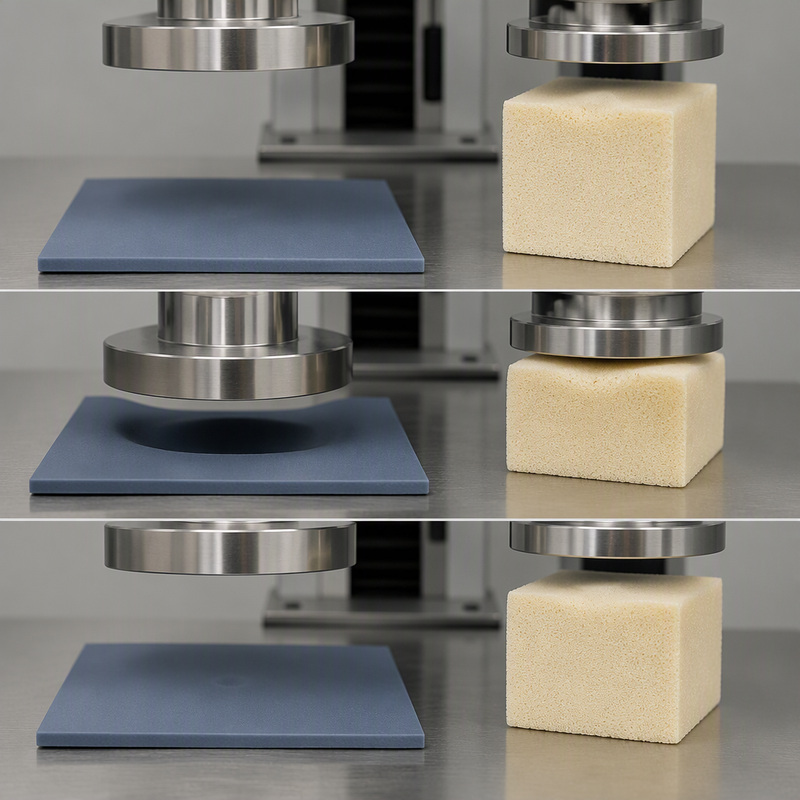
Understanding Specifications for Viscoelastic Polyurethane Products
Viscoelastic polyurethane products come with various specifications that can significantly impact their suitability for different applications. Key specifications to consider include:
Hardness: Measured in Shore A or Shore D durometer scales, hardness affects the material's flexibility and load-bearing capabilities. Softer materials offer better shock absorption, while harder materials provide greater structural integrity.
Density: Measured in kg/m³, density influences the material's weight and performance characteristics. A higher density often correlates with improved durability and thermal resistance but may also increase the product's weight.
Temperature Resistance: Understanding the temperature range within which the material can perform is vital. Products should be selected based on their thermal properties, especially in applications involving extreme heat or cold.
Chemical Resistance: Depending on the application, viscoelastic polyurethane may be exposed to various chemicals. Confirming the material's compatibility with specific substances is crucial to avoid degradation.
Buyers should ensure that these specifications align with their application's requirements and consult with suppliers for any additional technical parameters that may be relevant. Products such as Warehouses & Logistics Centers often utilize similar specifications.