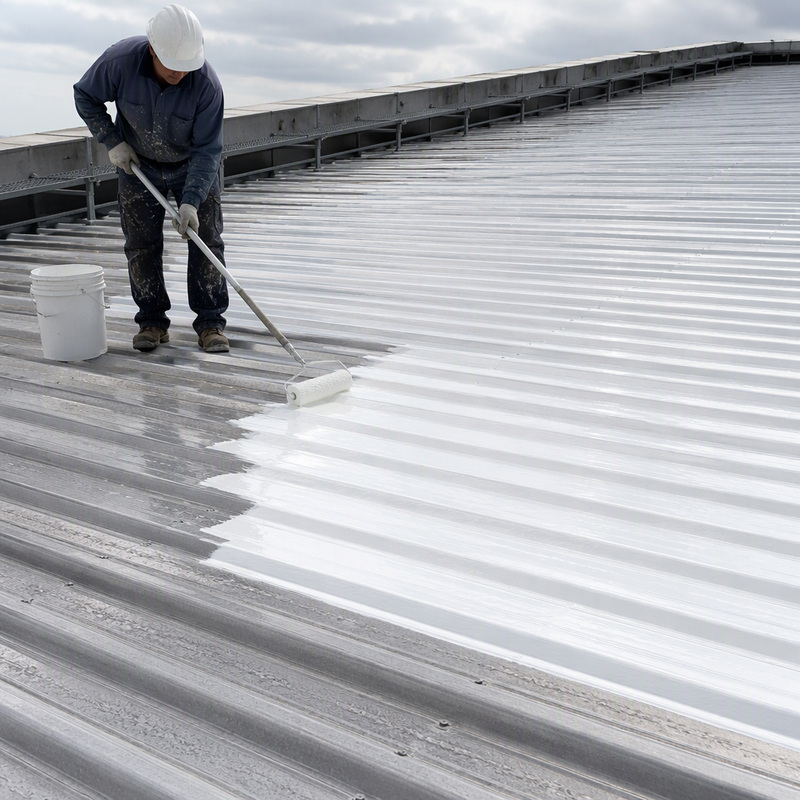
Wholesale Tips for Polyurethane Coating Suppliers

All Categories

polyurethane coating

Polyurethane coating is a versatile protective  finish widely  used in various  industrial  applications. It provides  excellent durability, chemical resistance, and aesthetic appeal, making it  a  preferred choice for  manufacturers and engineers. However, buyers often face  concerns regarding  quality,  sourcing, and practical application of  polyurethane  coatings. This article aims to guide  purchasing  managers and decision-makers in evaluating  coating  quality, identifying reliable suppliers, addressing common  issues, and implementing best practices  when ordering  polyurethane coatings.
Where to Source Reliable Suppliers of Polyurethane Coatings

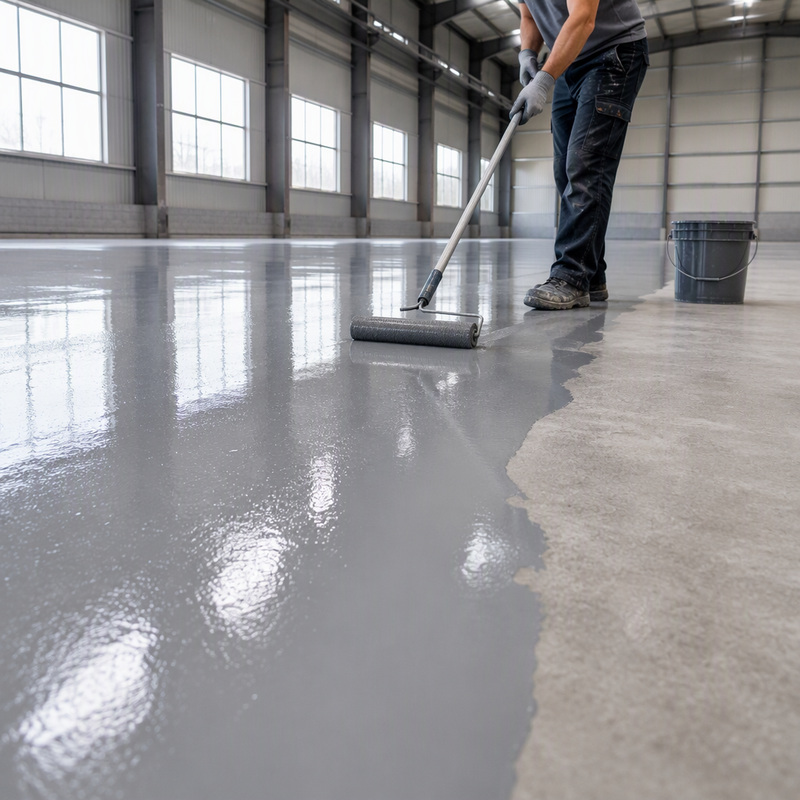
Where to Source Reliable Suppliers of Polyurethane Coatings

Finding reliable suppliers of polyurethane coatings involves a multi-faceted approach. Start by  leveraging industry networks and trade associations, which often provide directories of certified manufacturers.  Websites such  as  ThomasNet and industry-specific platforms  can also connect you with reputable suppliers.

When evaluating potential suppliers,  consider their manufacturing capabilities and experience  in producing polyurethane coatings. A supplier with robust  production lines and  quality assurance protocols, such as those used  by Shenyang  Haibo Weiye Light Steel Color Plate Co., Ltd, can often  ensure higher consistency and reliability. Ask for case studies  or references  from previous clients  to assess  their track record.

In addition, inquire  about their  customization capabilities. Many suppliers can tailor formulations based on specific application requirements, such as UV stability, chemical resistance, or surface finish preferences. Establishing open communication regarding your specific needs will help  you gauge the supplier's  willingness and ability to meet your standards.
Common Problems with Polyurethane Coatings and Their Solutions

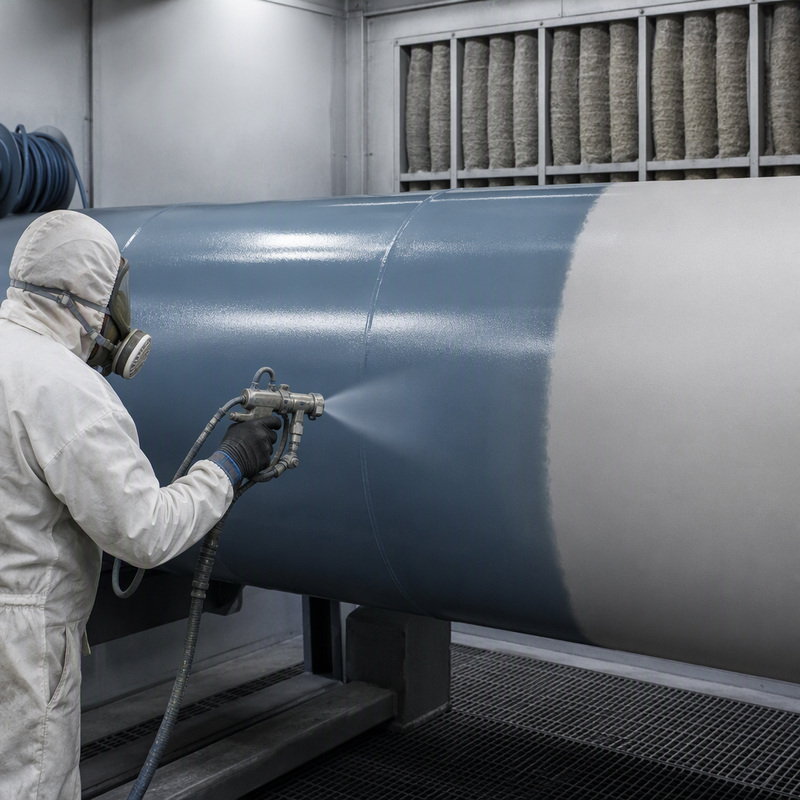
Common Problems with Polyurethane Coatings and Their Solutions

Despite their advantages,  polyurethane coatings can  present several common issues. One frequent problem is bubbling or blistering, which typically occurs due to  moisture  entrapment during application. To  mitigate this, ensure  that  the substrate is dry and properly prepared before applying  the coating. Conducting moisture tests can be beneficial.


Another issue is yellowing or discoloration, often caused by prolonged exposure to UV light. To combat this, consider selecting  a polyurethane formulation that includes UV  stabilizers. Discussing these options with your supplier can lead to better performance in outdoor  applications.


Lastly, a lack of proper curing can lead  to soft  or  tacky finishes. Ensure that the recommended  curing conditions—temperature, humidity, and time—are strictly followed during  application. Training personnel on proper  application techniques can also  help minimize these issues.

Best Practices

Best Practices

To ensure the best outcomes when  working with polyurethane coatings,  adhere  to the following best practices:


Surface Preparation: Properly prepare the substrate by cleaning and sanding to ensure maximum adhesion. Remove any contaminants  that might  affect the  bond.

Application Method: Choose  the right application method—spraying, rolling, or brushing—based on the coating type and  the surface area. Each method has its  advantages and challenges, so consider the specific requirements of  your project.

Environmental Conditions: Monitor environmental conditions during application. Ideal temperatures are typically between 15°C to 30°C  (59°F to  86°F),  with humidity levels below 70% to avoid complications during curing.

Sample Approval: Always request a  sample before  placing a bulk order. Testing the sample under real-world  conditions can reveal potential issues related  to application and  performance.

By following these practices,  buyers can achieve higher satisfaction with their polyurethane coating applications.

Wholesale Purchasing Tips for Polyurethane Coatings and Materials

When purchasing polyurethane coatings in bulk, consider the following tips to optimize your procurement process:

Define Specifications Clearly:  Provide potential suppliers with detailed specifications, including  intended application, required performance characteristics, and  any customization needs. This clarity  helps  suppliers provide accurate quotes and reduces the risk of miscommunication.

Evaluate Pricing Structures: Understand the factors that influence pricing, such as  raw material costs, production methods, and  lead times. Be prepared to negotiate based  on order volume and long-term partnerships.

Assess Minimum Order Quantities (MOQs): Different  suppliers have varying MOQs, which can impact your purchasing strategy. Choose a supplier whose MOQs align  with your production needs to avoid excess inventory or stockouts.

Review Packaging and  Delivery Conditions: Discuss packaging methods  to ensure that the coated products  are protected during transportation. Properly packaged materials reduce the likelihood of damage and ensure that you  receive products in  optimal condition.

Plan for Lead Times: Understand the lead times associated with each supplier. Some may have faster turnaround times due to efficient production processes, while others may require longer  due to customization  or sourcing materials.

By implementing  these purchasing tips, buyers can secure favorable terms  and ensure  successful project outcomes with polyurethane coatings.

How to Evaluate Polyurethane Coating Quality for Bulk Orders

When assessing the quality of polyurethane coatings for bulk orders, several critical specifications should be evaluated. Start with the chemical composition; a  high-quality polyurethane coating typically  consists of a polyol and an isocyanate, which  must meet specific industry standards for performance. Buyers should request detailed technical data sheets (TDS) and material safety data sheets (MSDS) to understand the chemical properties and safety information.

Next, consider the adhesion strength and  flexibility of the coating. These properties are essential  for ensuring the coating can withstand environmental stresses without peeling  or  cracking.  Conducting adhesion tests, such as a cross-cut test, can help verify these qualities. Additionally, the thickness of the coating is crucial; a standard thickness range is typically between 20  to 100  microns, depending on the application. Thicker coatings may provide better protection but can  also lead  to issues such as sagging or uneven application. For instance, when considering various applications, you might explore Warehouses & Logistics Centers to see how different thicknesses perform.

Lastly,  ensure that the supplier adheres to quality control processes during production. This may include in-line inspections, batch testing, and certification from  recognized organizations  to confirm compliance with  industry standards.  Inspecting  samples before bulk orders can significantly reduce risks  associated  with coating quality.

Frequently Asked Questions

What is polyurethane coating used for?

Polyurethane coating protects steel components from corrosion, abrasion and weather, improving durability and appearance for roofs, beams, trusses, bridges and profiled plates.
Yes. Our coating is formulated for H section steel, box columns, beams, trusses and purlins, ensuring adhesion, flexibility and long-term protection on steel substrates.
We support spray and industrial roll application using CNC and automated lines to ensure consistent thickness and finish suitable for large-scale production.
Yes. We offer customizable film thickness and color options to meet project specifications and aesthetic requirements for different engineering scenarios.
As a major Northeast China processor with advanced production lines, we ensure stable quality control, large annual output and timely supply for diverse engineering projects.

Get a Free Quote

Our representative will contact you soon.
Email
Name
Company Name
Message
0/1000

Related product categories

Get a Free Quote

Our representative will contact you soon.
Email
Name
Company Name
Message
0/1000