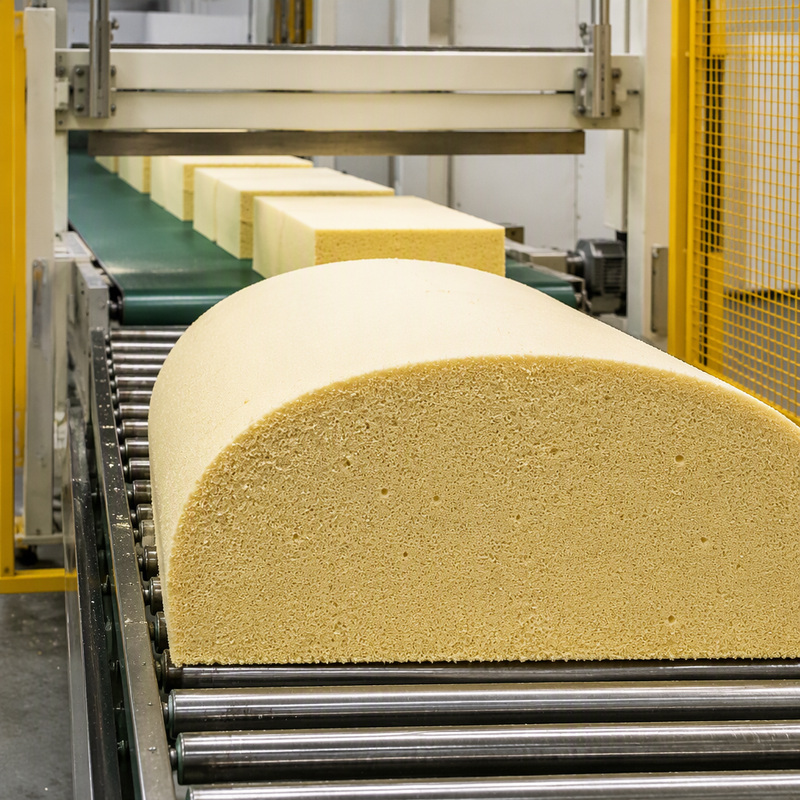
Key Benefits of Polyurethane in Industrial Applications

All Categories

pu polyurethane

Polyurethane (PU) is  a  versatile polymer used across various industries for  its durability, flexibility,  and resistance to wear and tear. It  plays a crucial role in  manufacturing applications, especially where  specific performance characteristics are  essential. For B2B buyers,  understanding the right type of polyurethane for their applications, along with key specifications and  potential  challenges,  is vital for making informed purchasing decisions. This  article will  guide you through the  key benefits of polyurethane, how to select the correct type for your project, what  to look for when purchasing, common installation  challenges,  and provide a comprehensive overview  of this important  material.
How to Choose the Right Polyurethane for Your Project Needs

How to Choose the Right Polyurethane for Your Project Needs

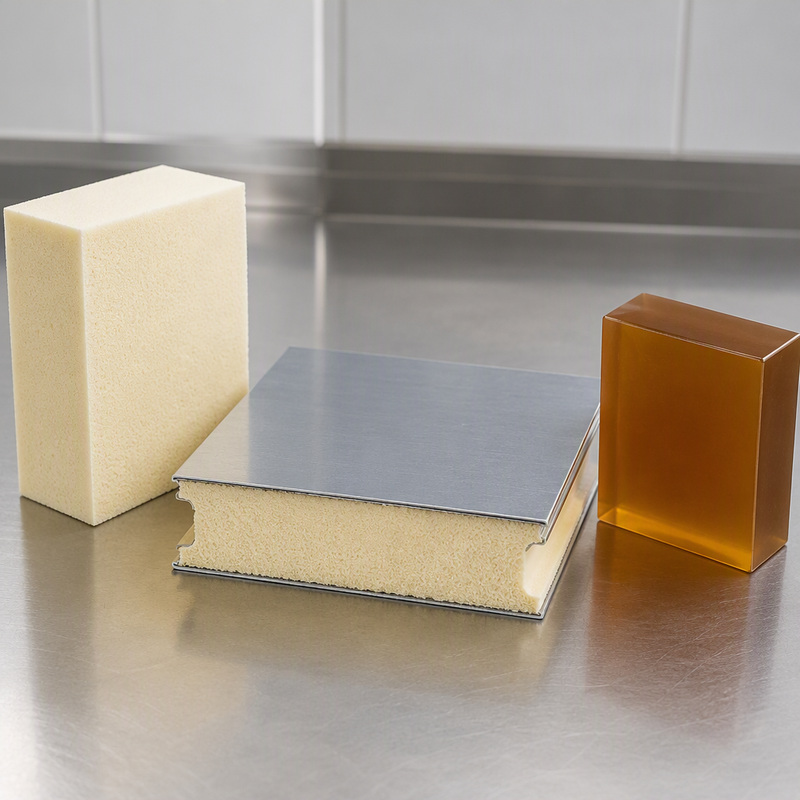
Selecting  the appropriate type of polyurethane for your project involves  understanding several critical  factors. First, consider the intended application. Different formulations of PU are available, each designed  for  specific uses, such as flexible foam, rigid foam, elastomers,  or coatings. Identify whether you  need  a softer, more flexible material for cushioning applications or  a firmer  type for structural support.

Next, evaluate the environmental conditions the polyurethane will face. Factors such as temperature extremes, exposure to chemicals, and  moisture levels can  significantly influence the performance of PU. For instance, if the product will be used outdoors, look for UV-resistant formulations to prevent degradation from sunlight.

It's  also essential to consider the mechanical properties  required for your application. Properties such as tensile strength, elongation  at break, and hardness should be assessed  based on the performance needs of your  product. Collaborating with manufacturers like  Shenyang Haibo Weiye Light Steel Color Plate Co., Ltd, which offers extensive production capabilities and expertise in material  selection, can help ensure  you choose a PU that meets your specifications.
What Buyers Should Look For

What Buyers Should Look For

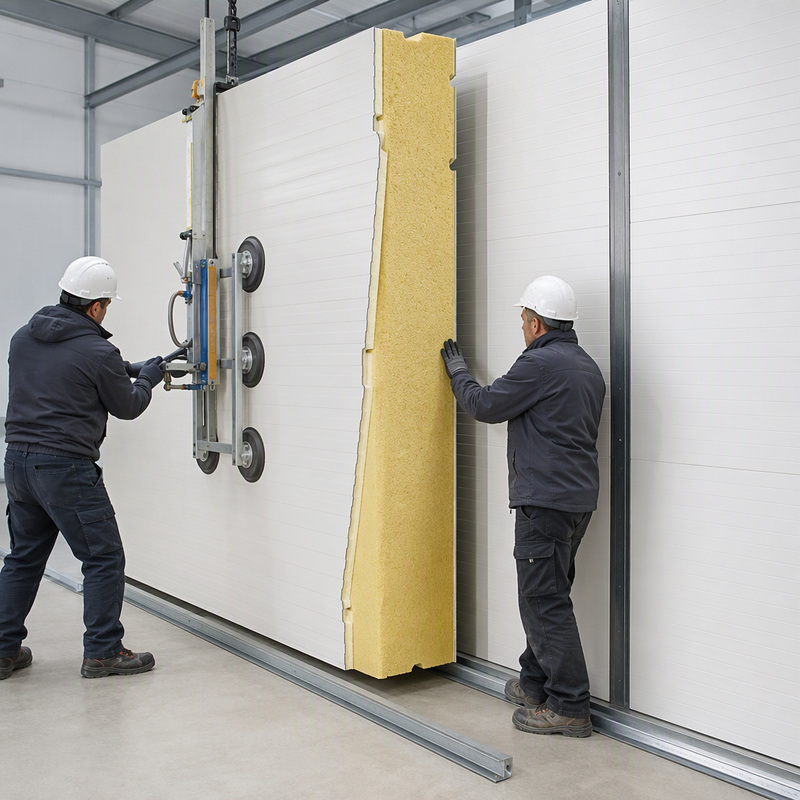
When purchasing  polyurethane, buyers should prioritize several key factors to ensure they receive a suitable product. First, demand detailed technical specifications  that outline the material's properties, such as density, hardness, and tensile strength. This  information is crucial for assessing whether the PU will perform adequately in its intended application.

Next, inquire about the manufacturing  processes used to produce the polyurethane. Understanding the production methods can provide  insights  into the material's consistency and  quality. For  example, continuous production methods generally yield more uniform products than  batch processes.

Additionally, consider the supplier's quality control processes. Look for manufacturers  with established quality assurance protocols to mitigate risks associated with product  defects.  Certifications and industry standards compliance can also serve  as indicators of a  supplier's  reliability.

Finally,  discuss customization options  with your supplier.  Depending on your project's requirements, you  may need specific formulations or dimensions. A  reputable manufacturer should be able to accommodate these needs effectively, including options for Industrial Workshops & Plants that utilize polyurethane in their construction.

Common Installation Challenges with Polyurethane and Their Solutions

Common Installation Challenges with Polyurethane and Their Solutions

While polyurethane is a robust material, its installation can present challenges. One  common issue is achieving  the  correct bonding when PU is used as  an adhesive  or a sealant. It is essential to ensure that surfaces are clean and properly prepared before  application. Surface contaminants  can prevent effective adhesion and  lead to product failure.


Another challenge arises from temperature fluctuations during  installation. Polyurethane can be sensitive to temperature changes, affecting its curing and  bonding properties. To counter this, ensure that installation occurs  within the manufacturer's recommended temperature range  to achieve optimal performance.

Additionally, curing time can vary based on the specific formulation of  polyurethane. Buyers should be aware of  the curing time required before the product can be  put into service. Planning for this downtime is critical in project timelines.

Lastly, consider the joint design if  the PU is used in structural  applications. Joint dimensions and configurations should accommodate the material's  expansion and  contraction properties. Consulting with experienced engineers can help mitigate these potential issues.

A Comprehensive Overview

Polyurethane is a highly adaptable material  used in various industrial applications due to  its unique properties, including flexibility, chemical resistance,  and durability. When selecting PU for your  project, consider the specific  requirements of your application, such as environmental conditions and mechanical performance needs.

Buyers  should seek detailed technical specifications and understand the manufacturing  processes to  ensure product  quality. Collaboration with trusted suppliers, like Shenyang Haibo Weiye Light Steel Color Plate  Co.,  Ltd, can facilitate access to  tailored solutions that meet specialized requirements, such as Commercial Metal Building Kits that utilize advanced polyurethane technologies.

By being aware of  common  installation challenges  and planning  accordingly,  buyers can ensure that  their polyurethane products perform effectively in their intended applications. This comprehensive understanding of polyurethane will empower B2B buyers to make informed decisions, ultimately  resulting in successful project outcomes.


Key Benefits for Industrial Applications

Polyurethane offers numerous advantages that make it  ideal for various industrial  applications. Its flexibility allows it to be molded into different shapes, accommodating diverse  design requirements. Additionally,  PU  exhibits excellent abrasion resistance, making  it  suitable for products that will undergo significant wear and tear, such as  conveyor belts, seals, and gaskets.

Another key benefit is  its chemical resistance. Polyurethane can withstand exposure  to oils, solvents, and  other  harsh chemicals without degrading,  making it a  reliable choice for the automotive, construction, and  manufacturing sectors. Furthermore, PU can be formulated to meet specific performance requirements, such  as varying hardness levels, which allows manufacturers to tailor products to their precise needs. For instance, in the context of construction, polyurethane can be utilized in Steel Structure Components for added durability.

In terms of thermal stability, polyurethane can perform well in a range of temperatures, which is  essential for applications exposed to fluctuating environments. This resilience contributes to  its longevity and reliability in  industrial  settings, ensuring that products maintain performance over time.

Frequently Asked Questions

What is PU polyurethane used for in construction?

PU polyurethane is used for insulation, sealing, surface coating and cushioning in roofs, walls, panels and composite plates to improve thermal performance and durability in light steel and structural projects.
We supply PU in panels, spray foam, rigid boards and sandwich composite profiles compatible with steel structures and color profiled plates.
Yes. We offer customized thickness, density, panel size and surface treatment to meet specific engineering, thermal and load requirements.
PU offers high thermal insulation, low water absorption, good compressive strength and long-term shape stability suitable for roofing, walls and composite applications.
We use advanced production lines, CNC and welding support equipment, with strict inspection and large annual capacity to meet timely delivery and consistent quality.

Get a Free Quote

Our representative will contact you soon.
Email
Name
Company Name
Message
0/1000

Related product categories

Get a Free Quote

Our representative will contact you soon.
Email
Name
Company Name
Message
0/1000