EN
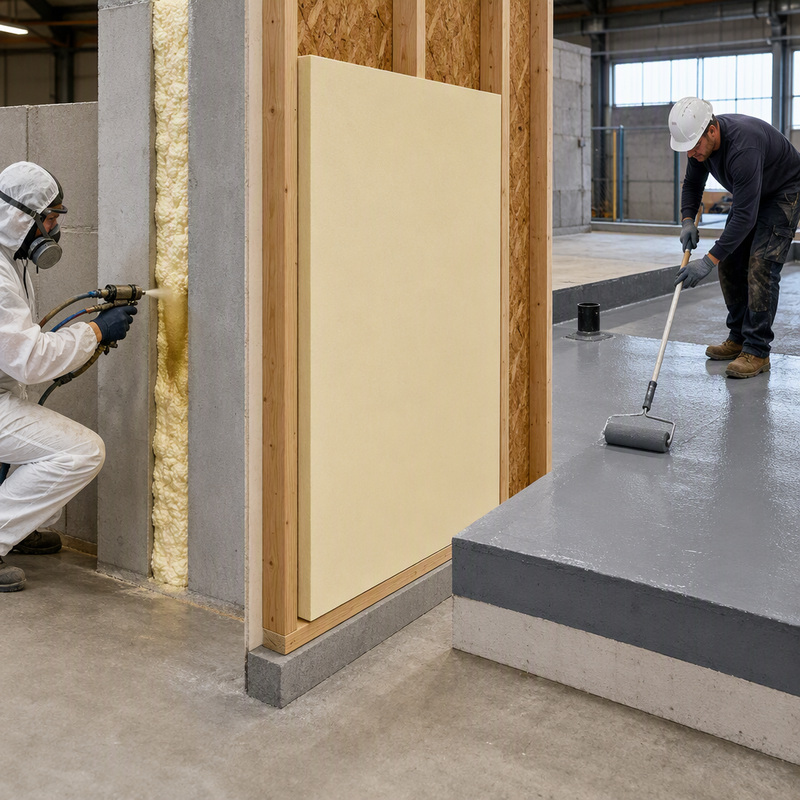
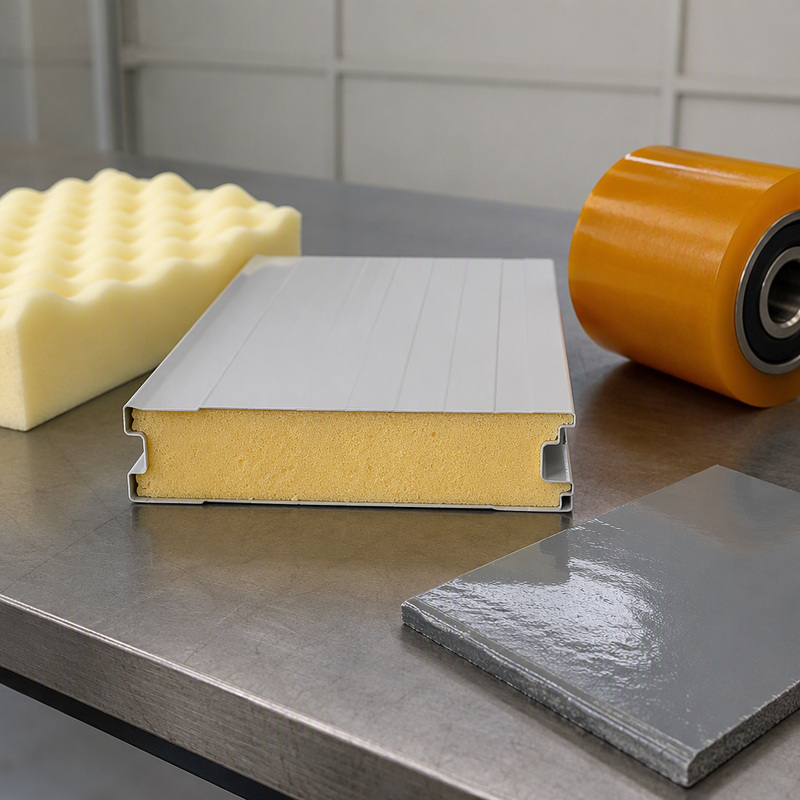
Understanding the types of PU (polyurethane) products is essential for businesses engaged in manufacturing and construction. PU materials are widely used due to their versatility, durability, and performance characteristics. B2B buyers often seek detailed information on specifications, applications, and quality to make informed purchasing decisions. This article will provide insights into different types of PU, focusing on key specifications, quality evaluation, applications, sourcing suppliers, and cost factors.
How to Evaluate the Quality of PU Materials Before Buying
Evaluating the quality of PU materials is critical to ensuring that they meet your needs. Here are some practical steps to follow:
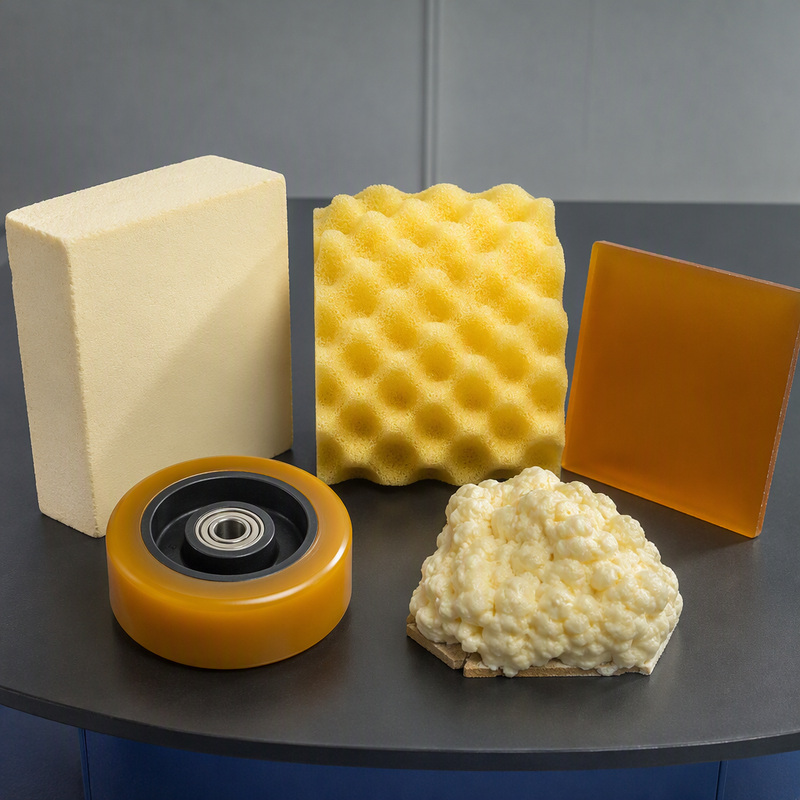
Request Samples: Before placing a bulk order, always request samples of the PU products. This allows you to assess their physical properties, texture, and performance under actual conditions.
Check for Quality Certifications: Ensure the supplier provides certifications that verify the quality of their products. Certifications may include ISO standards or other relevant industry-specific quality assurance marks.
Review Testing Reports: Ask for any testing reports that detail the performance of the PU material under various conditions. This can include tensile strength, thermal stability, and chemical resistance tests.
Inspect Manufacturing Processes: Understanding the manufacturing processes used by the supplier can provide insights into the quality of the PU products. Advanced production techniques, such as CNC machining and quality control measures, often correlate with higher-quality outputs.
Confirm Customer Feedback: Look for reviews or testimonials from other businesses that have used the supplier’s PU products. This can provide valuable insights into product reliability and supplier performance.
By following these steps, buyers can make informed decisions and reduce the risk of receiving subpar materials.