
Key Considerations for PU Sheets in Construction

All Categories

pu sheet

PU sheets are an innovative  solution in  the construction  and manufacturing industries, combining insulation properties with structural integrity.  As a  product that has gained  traction in various  engineering applications,  understanding  PU sheets is crucial for  purchasing  managers, engineers,  and project  managers. This article  will address  key considerations when selecting PU sheets, outline their  specifications and  benefits,  offer installation guidance, explore cost factors for wholesale purchases, and highlight their  advantages in engineering  applications.
Specifications and Material Benefits

Specifications and Material Benefits

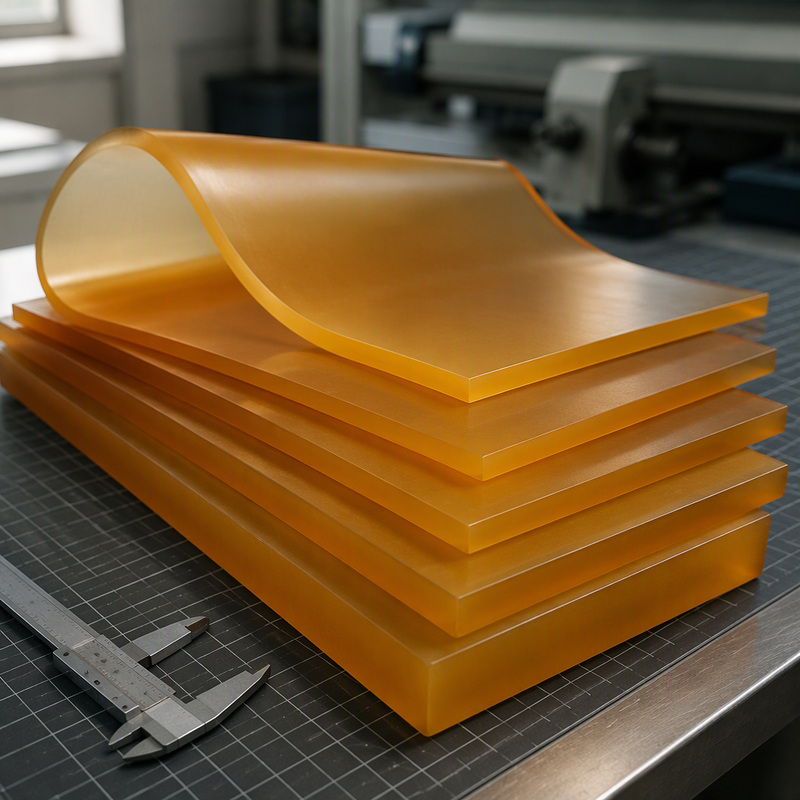
PU sheets are typically  composed of a core of polyurethane foam sandwiched between two facings, which can  be made from materials like steel, aluminum, or fiberglass. The selection of the facing material can affect durability, thermal performance,  and  aesthetic appeal. The thickness of PU  sheets generally ranges from 20mm to 200mm, with various densities available depending on  the intended  load-bearing requirements.

The benefits  of PU  sheets  are manifold. Their lightweight  nature makes  for easier handling and installation, while the superior insulation properties can lead  to significant energy  savings over time. The excellent soundproofing qualities are also beneficial in commercial applications where noise reduction  is a priority. Additionally, PU  sheets can be manufactured with  specific fire ratings to comply  with local building codes, adding an  essential layer of safety to  your projects. For instance, using a Galvanized Film Greenhouse Tunnel Plastic Grow Tunnel can further enhance the safety and efficiency of your structures.
Installation Guidance for PU Sheets in Construction Projects

Installation Guidance for PU Sheets in Construction Projects

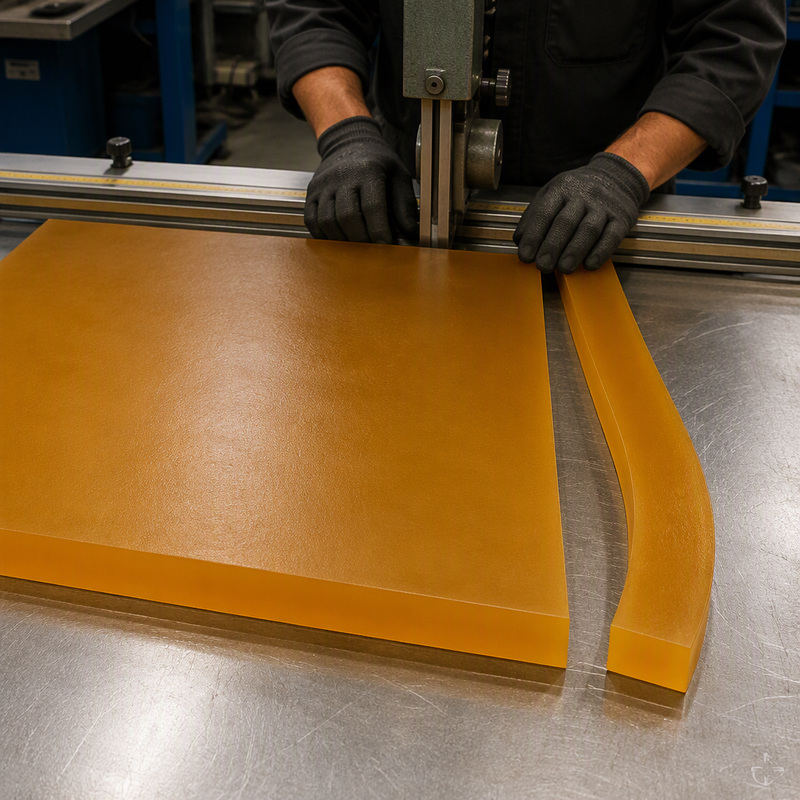
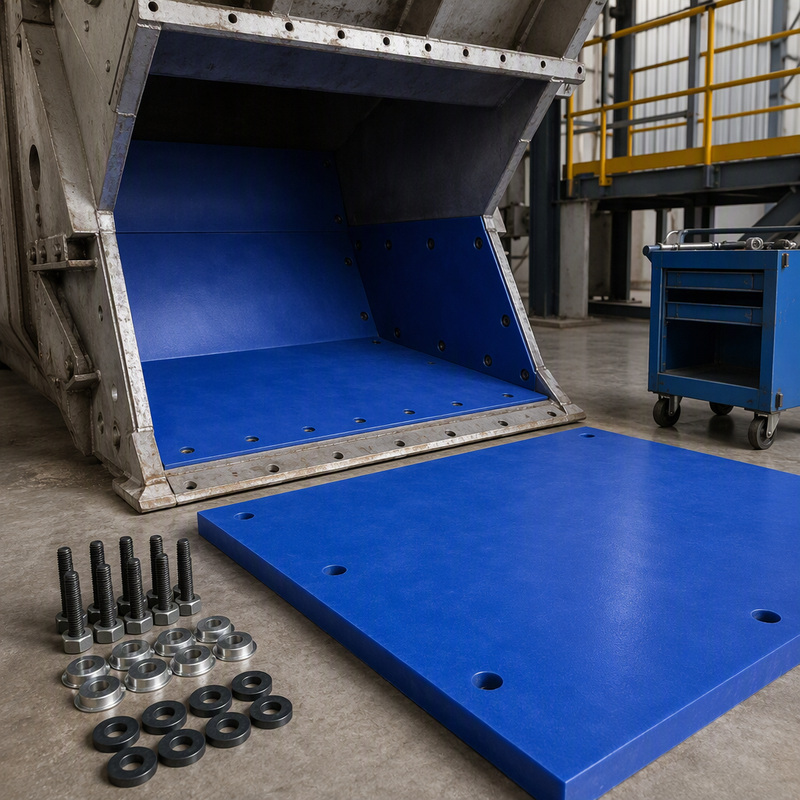
Proper installation of PU sheets is critical to maximizing their performance and longevity. When installing PU sheets, ensure that the  supporting structure is  adequately prepared  to accept the sheets. This includes ensuring a level surface and checking for any  sharp edges or  protrusions that  could damage the sheets during installation.

It's essential to follow the manufacturer's guidelines for fixing methods, which can include mechanical fastening or  adhesive  bonding, depending on the application. Adequate  sealing around the edges and joints is also  necessary to prevent  air leaks and moisture ingress, which can compromise insulation performance.

Before proceeding  with mass  installation, conducting a test installation on a smaller  scale can help identify potential issues  and make necessary adjustments.  This trial can  also serve as a quality control measure,  ensuring  that the installation  meets the project's specifications and performance expectations.

Understanding Cost Factors for Wholesale PU Sheet Purchases

Understanding Cost Factors for Wholesale PU Sheet Purchases

When it comes to purchasing PU  sheets wholesale, several  cost factors must  be considered. First, the price will vary based on the specifications of the  sheets, including thickness, facing material,  and  density. Customization requests can also affect pricing, so it  is crucial to communicate your  needs clearly to the supplier.

Another  factor to consider  is the minimum order quantity  (MOQ) requirements. Suppliers may have different MOQs,  which can impact your overall project  budget. Additionally,  shipping  costs should be factored in, especially if  the sheets are being transported over long distances or require special handling.

Lead times are another critical component of cost management. Understanding the  production  capacity of the supplier and their ability to meet your timeline can help prevent delays that could lead to  additional costs. Engage with the supplier  early in the purchasing process to clarify these factors and ensure a smooth procurement experience.

Benefits of Using PU Sheets in Various Engineering Applications

PU sheets offer  versatile  advantages across a range of engineering applications. In construction,  their insulating properties contribute to energy-efficient buildings, reducing heating  and cooling costs. This is particularly beneficial in climates with extreme temperature fluctuations, where maintaining indoor comfort is essential.

In industrial settings, PU sheets  can be utilized in the manufacturing of cleanrooms or cold storage facilities, where temperature control and contamination prevention are critical.  The lightweight nature of  PU  sheets simplifies installation and reduces the structural  load on buildings, making them an ideal choice for various applications.

Moreover, PU sheets are resistant to moisture  and chemicals, making them suitable for use in environments where exposure to such elements is common, such as food processing plants or laboratories. Their  durability and  ease of maintenance further enhance their appeal, ensuring that they remain a reliable choice for engineering professionals.

By understanding the critical aspects of  PU sheets, including key considerations, specifications, installation guidance, pricing factors, and their multifaceted benefits, buyers can make informed decisions that  align with their project  goals. Engaging with a reputable supplier like Shenyang Haibo Weiye Light Steel  Color Plate Co., Ltd can provide additional insights and support  throughout  the procurement process, ensuring a successful outcome  for your projects.


Key Considerations

When selecting PU sheets, several factors  should be prioritized to ensure  optimal performance and suitability for your specific application. First, evaluate the thermal  insulation  properties. PU sheets are known for their  excellent  insulating  capabilities, which can significantly reduce energy costs in buildings and industrial  applications. Additionally, consider the fire safety ratings, particularly  if  the  sheets will be used in environments requiring strict compliance with safety regulations. For example, the use of PU PIR Insulated Wall Sandwich Panel High Thermal Efficiency Cladding can enhance the overall thermal performance.

Another critical factor is the physical dimensions of the sheets. Standard thicknesses and sizes should meet the requirements of your project, but customization may be necessary for unique  applications. Furthermore, assess the environmental resistance of the  materials, as PU sheets can be exposed  to various weather conditions,  chemicals, or moisture. The  manufacturer’s experience and  reputation will also play a crucial role, as established  suppliers,  like Shenyang Haibo Weiye Light Steel Color Plate Co., Ltd, can offer  insights into the suitability of their products for your specific needs.

Frequently Asked Questions

What is a PU sheet used for?

PU sheet is a polyurethane insulated panel used for roofing, wall cladding, cold storage, partitioning, and thermal insulation in industrial and commercial buildings.
Sizes and thicknesses vary by project. Standard widths and custom lengths are offered; thickness typically ranges from 20mm to 200mm. Contact us with specifications for exact availability.
PU sheets provide high thermal insulation and low thermal conductivity. Fire performance depends on core formulation; we supply panels meeting common industry fire-retardant standards—specify required rating when ordering.
Yes. We offer custom sizes, edge profiles, surface treatments, and composite configurations to fit diverse engineering scenarios using our advanced production lines and CNC equipment.
Our integrated production ensures consistent quality with strict inspections. Large annual output supports bulk orders; delivery schedules and logistics are coordinated per project requirements.

Get a Free Quote

Our representative will contact you soon.
Email
Name
Company Name
Message
0/1000

Related product categories

Get a Free Quote

Our representative will contact you soon.
Email
Name
Company Name
Message
0/1000