EN
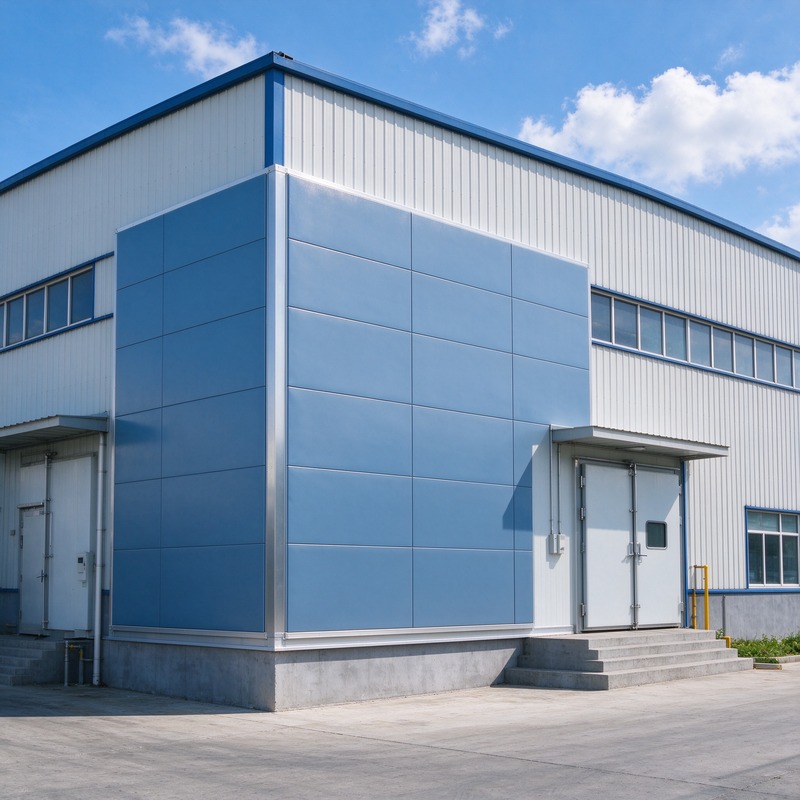
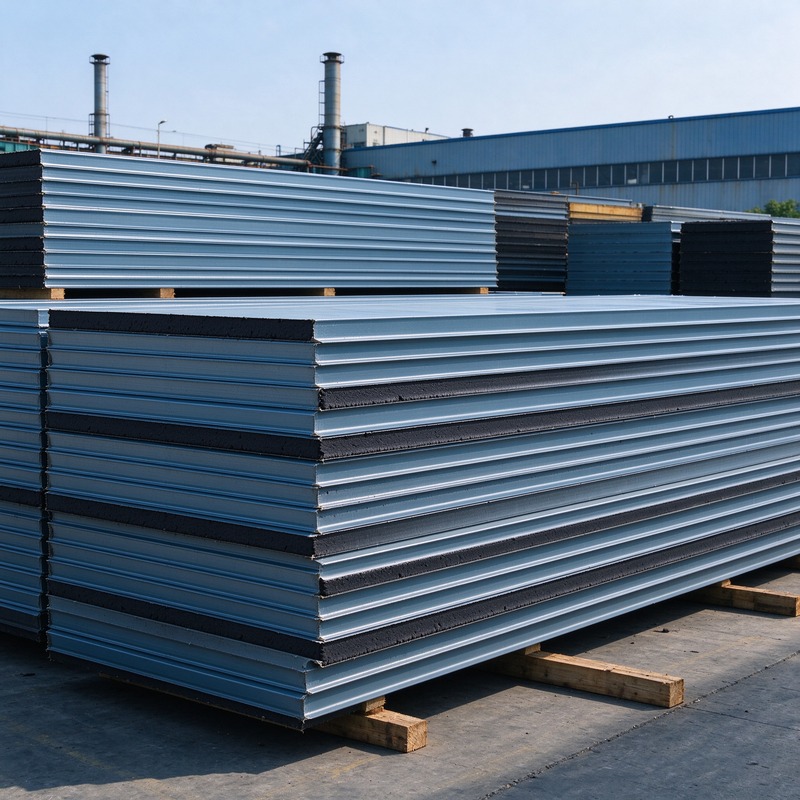
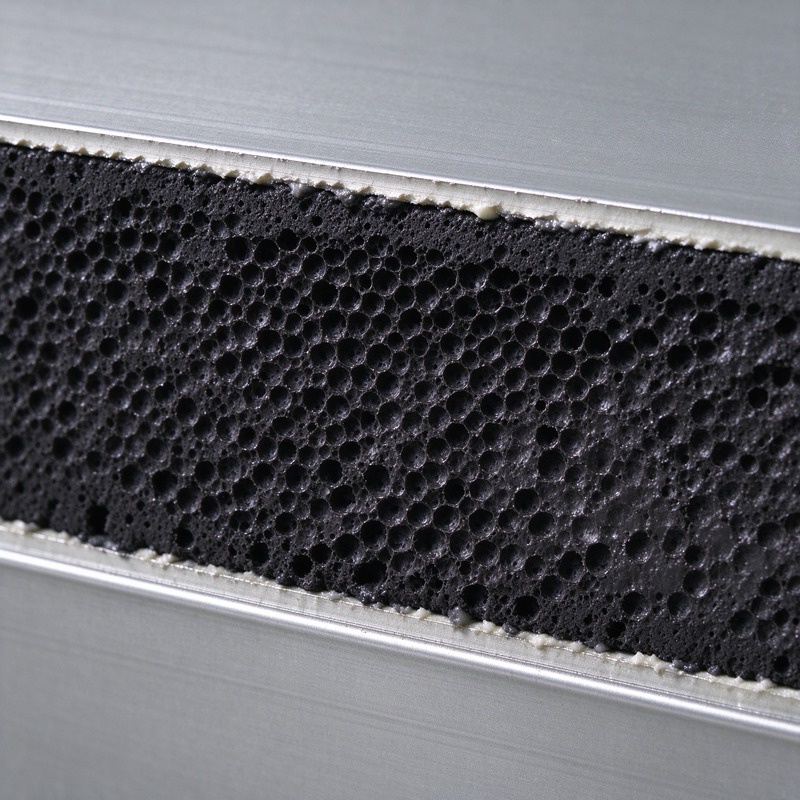
PU sandwich panels are a popular choice in construction and insulation, combining layers of polyurethane foam with outer metal sheets to create a lightweight yet durable building material. Buyers often seek to understand the specifications, cost implications, and best practices associated with these panels, as well as how to identify reliable suppliers. This article aims to equip purchasing managers, engineers, and project managers with essential insights into PU sandwich panels, helping them make informed decisions when sourcing these products.
Cost Factors to Consider When Sourcing PU Sandwich Panels
When sourcing PU sandwich panels, several cost factors come into play that can significantly impact the overall budget.
Material Costs: Fluctuations in steel prices can affect the cost of the outer layers. Additionally, the cost of polyurethane foam can vary based on quality and supplier pricing strategies.
Customization Expenses: Customizing dimensions or surface finishes can lead to increased costs. Buyers should consider whether standard sizes will suffice or if a tailored approach is necessary for their application.
Order Quantity: Minimum Order Quantities (MOQs) can vary between suppliers. Larger orders may reduce the per-unit cost, but buyers should balance this against their project needs and storage capabilities.
Shipping and Handling: Transportation costs can add significant expense, especially when sourcing from international suppliers. Understanding the logistics involved in shipping can help buyers evaluate total landed costs.
Lead Time: Faster production times often come with a premium. Buyers should weigh the urgency of their project against potential cost increases when negotiating lead times with suppliers.
By considering these cost factors, buyers can make strategic decisions that align with their budget while ensuring they receive high-quality PU sandwich panels.