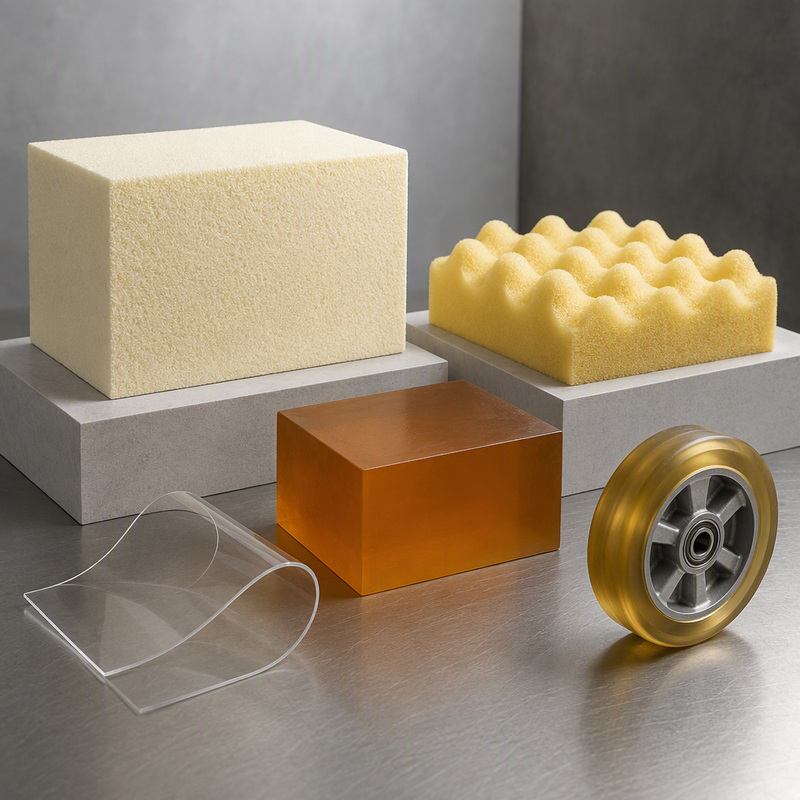
Understanding Types of Polyurethane for Industry Needs

All Categories

types of polyurethane

Polyurethane is a  versatile  polymer that finds extensive applications across  various industries, making it essential for many  manufacturing processes. For B2B buyers, understanding the different types  of polyurethane and their specific  properties  can significantly impact  purchasing  decisions  related  to  performance, cost, and application suitability. This article will  guide you  through  the types of polyurethane available, key specifications to consider, reliable supplier selection,  cost  factors,  and common  challenges in procurement, ensuring you make informed choices  for your industrial needs.
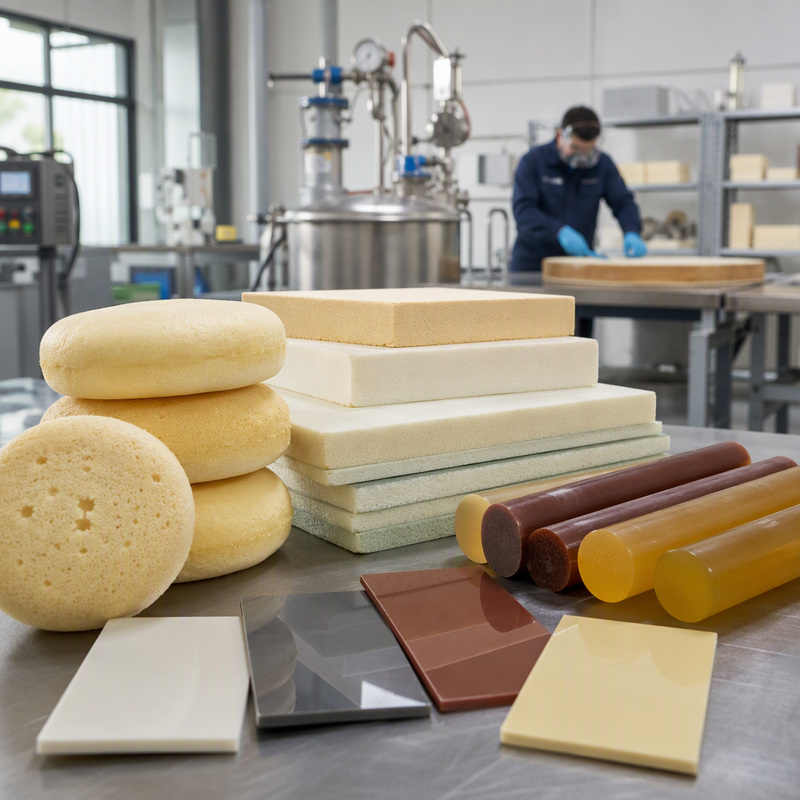
Key Specifications to Consider When Sourcing Polyurethane

Key Specifications to Consider When Sourcing Polyurethane

When sourcing polyurethane, several  technical specifications should  be  considered to ensure the material meets the  necessary performance  requirements:


Hardness: Measured on the Shore durometer scale, hardness affects the material's flexibility and durability. Buyers should assess the required hardness based on the application—softer materials may be more suitable for cushioning or flexible parts, while harder materials may be necessary for load-bearing components.

Tensile Strength: This indicates the material's resistance to being pulled apart. Understanding the tensile strength is essential for applications that involve stretching  or heavy loads.

Elongation  at Break: This measures how much  the material can stretch before breaking. A higher elongation percentage indicates better flexibility, making it  important for applications that require bending  or  movement.


Chemical Resistance: Polyurethane can be formulated to resist specific chemicals, making it suitable  for applications in  industries like automotive, pharmaceuticals, or food processing. Buyers should confirm chemical compatibility with the intended application.

Thermal Stability: Certain applications expose polyurethane  to extreme temperatures. Evaluating the thermal stability can prevent  premature failure of the material.

Understanding  these specifications allows buyers to make informed decisions and ensures that the  chosen polyurethane will perform effectively in  its intended application.
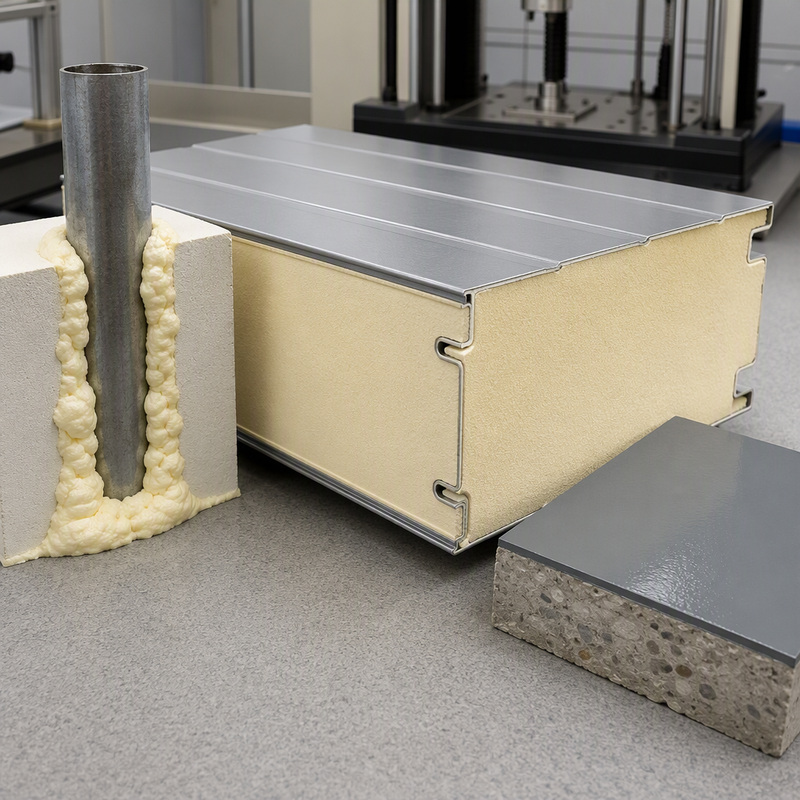
Where to Find Reliable Suppliers of Polyurethane Products

Where to Find Reliable Suppliers of Polyurethane Products

Finding reliable suppliers of polyurethane products is critical to ensuring quality and consistency. Here are some strategies to identify trustworthy manufacturers and distributors:

Industry Associations: Joining industry-specific associations can provide access to a network of reputable  suppliers. These organizations  often  have directories of members who adhere to certain quality standards.

Trade Shows and Expos: Attending industry trade shows allows buyers to meet  potential suppliers face-to-face, assess  product quality, and establish relationships.

Supplier Vetting: Before  finalizing  a supplier, conduct thorough research, including checking  for certifications,  customer  reviews,  and  past  performance. Request samples to evaluate material quality before committing to larger orders.

Local vs. Global  Suppliers: Depending on your location and production needs, consider whether working with a local supplier for quicker delivery is  more beneficial than  sourcing from international suppliers, who may offer lower prices but longer lead times.

Establishing a reliable  supply chain  is  crucial for maintaining production schedules  and meeting customer demands. Additionally, utilizing Industrial Workshops & Plants can help streamline operations.

Understanding Cost Factors in Polyurethane Procuremen

Understanding Cost Factors in Polyurethane Procuremen

Multiple factors influence the cost of polyurethane, and understanding these  can help  buyers budget effectively:

Material Quality:  Higher-quality raw materials generally lead to  better performance  and durability but also increase costs. Buyers should consider the long-term benefits of investing in quality materials.


Custom Formulations: If  your application requires specific properties, such as  enhanced flexibility or chemical  resistance, custom formulations may be necessary. These can be more expensive than off-the-shelf options.

Order Quantity: Larger  orders often lead to  lower  per-unit costs due to economies of  scale. Buyers  should assess their needs and consider bulk purchasing when feasible.


Production Methods: The  manufacturing process can significantly impact costs. For example, complex molds or  specialized production lines may increase expenses. Buyers should discuss production methods with suppliers to understand cost implications.

Shipping and Handling: Depending on  the supplier's location, shipping can add  significant costs, particularly for heavy materials. Buyers should factor  in these costs when comparing suppliers.

By considering these factors, buyers can make more informed decisions regarding their procurement budgets.

Common Problems with Polyurethane and Effective Solutions

Despite its versatility, polyurethane can  present several challenges that buyers should be aware of:

Bubbling and Foaming: Imperfections can occur during the  curing  process, leading to bubbles or foam. To mitigate this, ensure proper mixing and follow  the manufacturer's instructions  closely during  production.

Degradation Under UV Exposure: Some polyurethanes can  degrade when exposed to sunlight.  For  applications requiring  outdoor use, look for UV-stabilized formulations to enhance durability.

Inconsistent Quality: Variability in manufacturing processes can lead to inconsistent product quality. Establishing a quality control process,  including  regular testing and inspections, can help maintain  standards.

Poor Adhesion:  If polyurethane is used as an adhesive, ensuring surface preparation can enhance bonding. Buyers should  consult suppliers for proper guidelines on  surface treatment.

Effectively addressing these common issues can enhance the performance  and longevity of polyurethane products, ensuring they meet application requirements.

By understanding the various types of polyurethane,  critical specifications, supplier selection strategies,  cost factors, and  potential challenges, B2B buyers can make informed decisions that lead to successful procurement outcomes.

Choosing the Right Polyurethane for Your Industrial Applications

When selecting polyurethane, it is crucial  to consider  the specific application and  performance  requirements. Polyurethane can be  categorized primarily  into two types: thermosetting and  thermoplastic. 

Thermosetting Polyurethane: This type is known for its  rigidity and resistance to  heat and chemicals, making it ideal for applications like coatings and adhesives where durability is essential. Thermoplastic Polyurethane (TPU):  TPUs are flexible and can be molded into various  shapes, making them  suitable for applications such as seals, gaskets, and flexible tubing.

Buyers should evaluate the environmental conditions  the material will be  exposed  to, including temperature, humidity, and  chemical exposure, as these factors will  impact the longevity and performance of the polyurethane in  its intended use.  Additionally, understanding the different types of polyurethane, such as Steel Structure Buildings, can provide insight into specific applications.


Frequently Asked Questions

What types of polyurethane do you offer?

We supply rigid, flexible, elastomeric and sprayable polyurethane grades tailored for coatings, insulation, sealants and structural bonding in construction and steel components.
Rigid polyurethane foams and polyurethane adhesives are ideal for thermal insulation and strong bonding in composite steel plates and sandwich panels.
Yes. Polyurethane coatings and sealants protect steel from corrosion, provide thermal insulation and improve fire resistance when formulated for structural applications.
Yes. We tailor polyurethane types and formulations to specific engineering needs, coating thicknesses, hardness and adhesion requirements for diverse projects.
We provide application guidance, compatibility advice with steel products, recommended application methods, and quality control support for project-scale production.

Get a Free Quote

Our representative will contact you soon.
Email
Name
Company Name
Message
0/1000

Related product categories

Get a Free Quote

Our representative will contact you soon.
Email
Name
Company Name
Message
0/1000