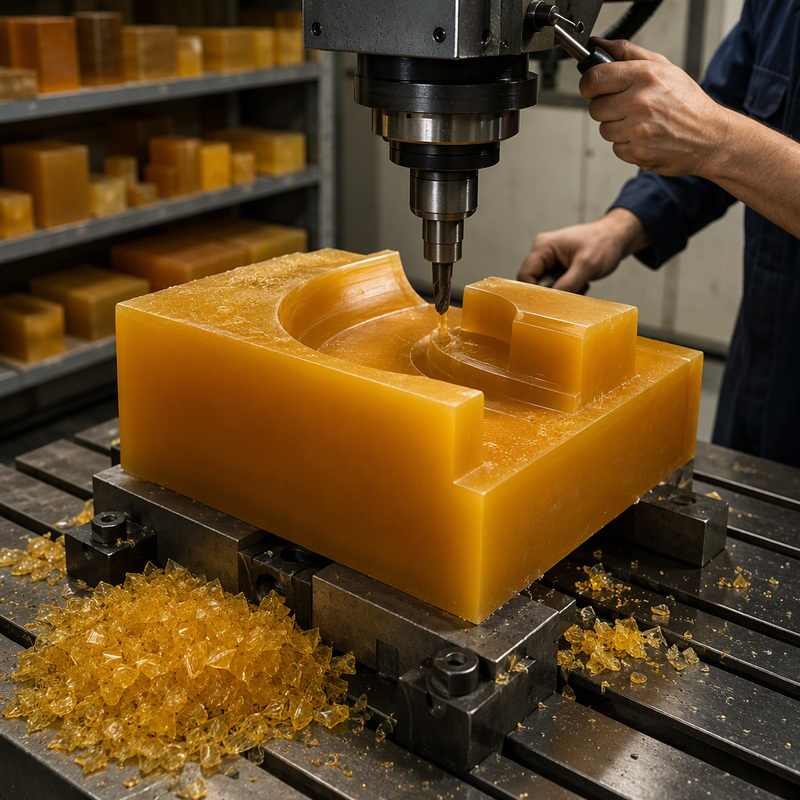
Choosing the Right Polyurethane Block Supplier

All Categories

polyurethane block

Polyurethane blocks are versatile materials widely used  in various  industries,  known for their durability, lightweight  properties,  and excellent thermal insulation. As a B2B  buyer, understanding the specifications, applications, and sourcing options  for polyurethane blocks is crucial for making  informed  purchasing  decisions. This  article  provides insights into selecting the right polyurethane  block  for your  needs, sourcing  quality materials  for wholesale orders, and  navigating  the common  challenges associated with these products.
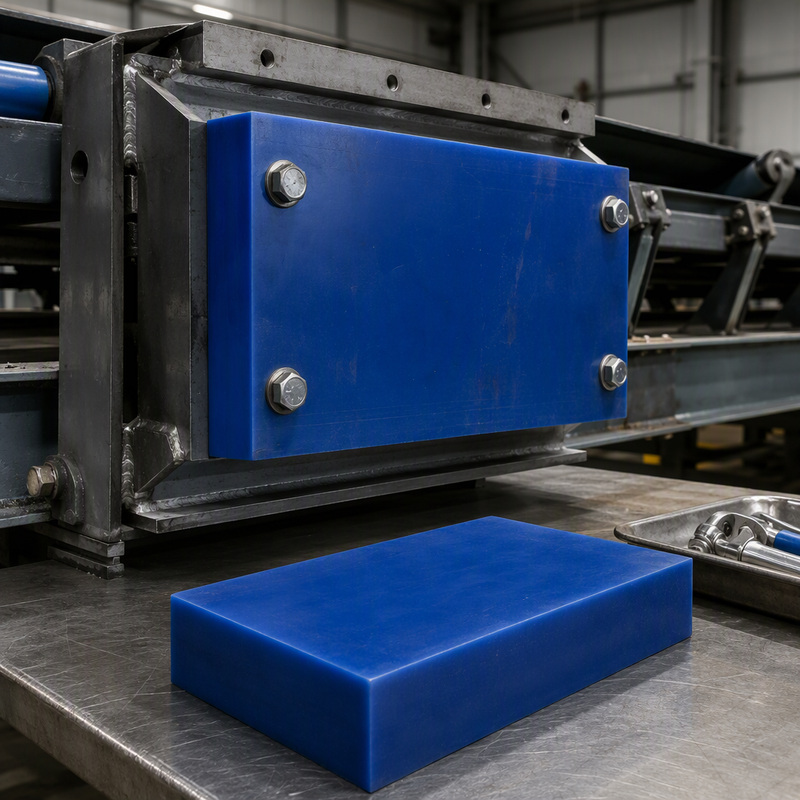
Where to Source Quality Polyurethane Blocks for Wholesale Orders

Where to Source Quality Polyurethane Blocks for Wholesale Orders

When sourcing polyurethane blocks  for wholesale orders, consider  suppliers with a solid reputation in the industry. Look  for manufacturers that integrate design,  production, and  sales, as they typically have better control over  quality and consistency. A manufacturer like Shenyang Haibo Weiye Light Steel Color Plate Co.,  Ltd, known for its expertise in various materials, can be a valuable partner in sourcing polyurethane blocks.

It's also essential to evaluate the  supplier's production capabilities, including their equipment and quality control  processes. Advanced  manufacturing techniques  ensure that polyurethane blocks meet the required specifications and performance standards. Check for certifications and compliance with industry standards to ensure reliability and trustworthiness.

For wholesale orders,  discussing minimum order quantities  (MOQ) and lead times is crucial.  Many manufacturers offer flexibility in MOQs, which can help  accommodate varying  project sizes. Establishing clear communication regarding  delivery  expectations and payment  terms will also facilitate a smoother purchasing process.
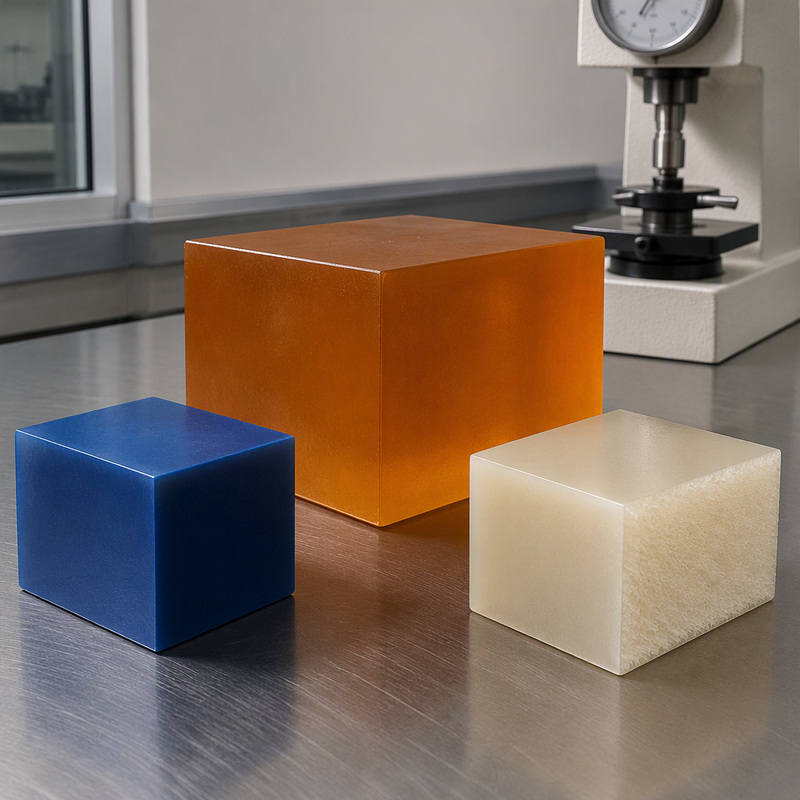
 
Applications of Polyurethane Blocks in Diverse Industries

Applications of Polyurethane Blocks in Diverse Industries

Polyurethane  blocks are utilized  across a wide range  of industries due to their  unique properties. In the construction sector, they serve as insulation materials, providing thermal resistance in walls, roofs, and  floors. Their lightweight nature reduces structural load, making  them ideal for various building  applications. For instance, Commercial Metal Building Kits can benefit from the use of polyurethane blocks.

In the automotive industry, polyurethane blocks are often used for sound dampening and vibration reduction. Their ability to absorb shocks and provide  cushioning makes them suitable for seating and interior  components.  Furthermore, in the packaging sector, these blocks are employed for protective  packaging solutions, ensuring products remain undamaged  during  transport.

Additionally, polyurethane blocks find applications in the furniture industry, where  they are  used in cushions and padding.  Their resilience and comfort enhance  the user experience in  both residential and commercial furniture designs. Understanding the  specific demands of  your industry can help you leverage the advantages of polyurethane blocks effectively.

Common Problems with Polyurethane Blocks and Their Solutions

Common Problems with Polyurethane Blocks and Their Solutions

While polyurethane blocks are highly  beneficial, they may encounter issues  during production or application.  One common problem is the inconsistency in density, which  can lead to variations in performance. To mitigate this, it’s vital  to conduct thorough  quality inspections during the manufacturing process. Requesting samples before mass production can  help identify any discrepancies  and  ensure the product meets your specifications.

Another challenge is the risk  of chemical degradation. Polyurethane is sensitive to certain chemicals, which  can affect  its integrity. When sourcing  blocks, it’s  crucial to verify compatibility with the intended environment and confirm the manufacturer provides appropriate material specifications.

Lastly, improper handling during installation can result in damage or reduced performance. Training  staff  on best  practices for installation  and usage can prevent these issues. Establishing clear guidelines for maintenance and care  will also prolong the life of  the polyurethane blocks in their applications.

Best Practices

To ensure successful utilization of polyurethane blocks, consider implementing the following best  practices:


Clear Specifications: Clearly outline your project specifications, including  dimensions, density, and intended application, when requesting quotes from suppliers. This helps  ensure the delivered products meet  your requirements.

Sample Approval: Always request samples before  placing a large order. Test these samples under  real-world conditions to confirm they  meet  your performance expectations.

Quality Control: Establish a quality control protocol that includes inspecting incoming shipments for compliance with specifications. This step can help catch potential issues before they impact your project.

Supplier Relationships: Build strong relationships  with suppliers who understand your industry needs. Regular communication can  lead  to better service, customized solutions,  and improved pricing  on future orders.

Documentation: Keep thorough records of all  specifications, samples, and communications with suppliers. This  documentation will  aid in future orders and help resolve any  disputes that may arise.

By following these best practices, you  can optimize your purchasing process and ensure that the polyurethane blocks you acquire meet your project’s needs effectively.


Choosing the Right Polyurethane Block for Your Project Needs

Selecting the appropriate polyurethane block  involves understanding several  key specifications, including density,  hardness, and thermal properties. Density affects the block's strength and weight, making  it essential for applications requiring  structural support.  Hardness, measured on the Shore scale,  determines how well the block can withstand compression and wear—soft blocks  are suitable for cushioning applications, while harder blocks are ideal for load-bearing uses. For structural applications, consider using Steel Structure Components to enhance durability.

Thermal  insulation properties are equally important, particularly in construction  and refrigeration applications. Blocks with higher thermal resistance can enhance  energy efficiency, reducing  overall operational costs. It’s advisable to assess the  specific requirements of your project, including environmental factors like temperature fluctuations and exposure to chemicals, before making  a selection.

Additionally, customization options may be available, allowing  you to specify  dimensions, surface finishes, and chemical resistance depending on  the  intended application.  Consulting with a knowledgeable supplier can help clarify  these requirements and ensure the final product aligns with your project’s needs.

Frequently Asked Questions

What is this polyurethane block used for?

Our polyurethane blocks are used for insulation, vibration damping, sealing, gaskets, and protective padding in steel structures, bridges, composite panels, and other engineering applications.
We offer custom sizes and a range of densities from soft to high-density rigid blocks to meet load-bearing, insulation, and impact resistance requirements.
Yes. We provide tailored shapes, dimensions, and density specifications using CNC cutting to suit diverse engineering and construction scenarios.
They resist moisture, many chemicals, and temperature variations; with suitable density and formulation they offer long-term durability in Northeast China engineering conditions.
Lead times depend on size and quantity; typical production schedules are provided after inquiry. Minimum order quantities vary by customization; contact our sales team for specifics.

Get a Free Quote

Our representative will contact you soon.
Email
Name
Company Name
Message
0/1000

Related product categories

Get a Free Quote

Our representative will contact you soon.
Email
Name
Company Name
Message
0/1000