EN
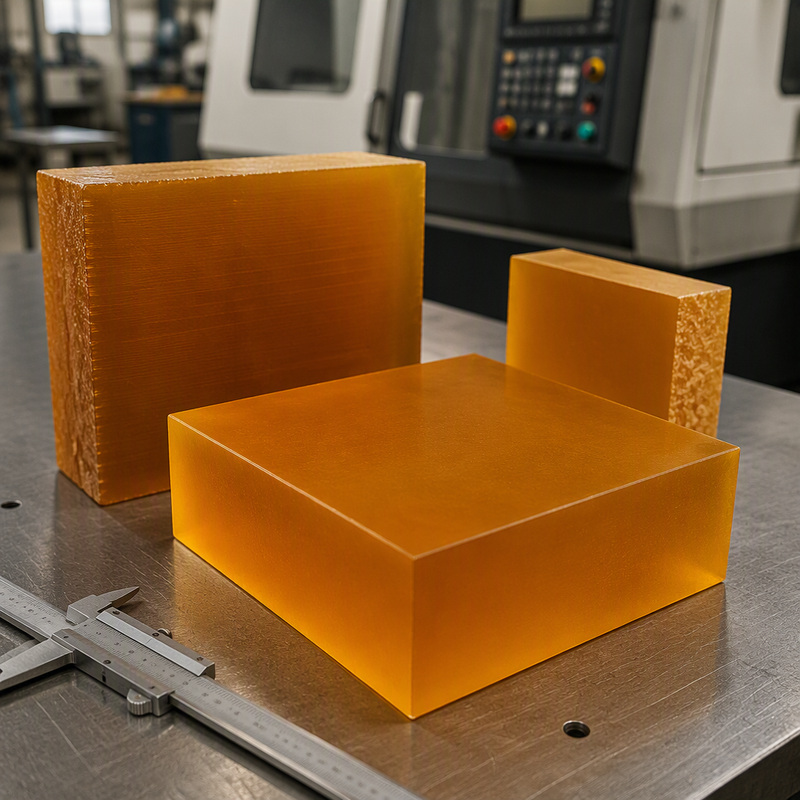
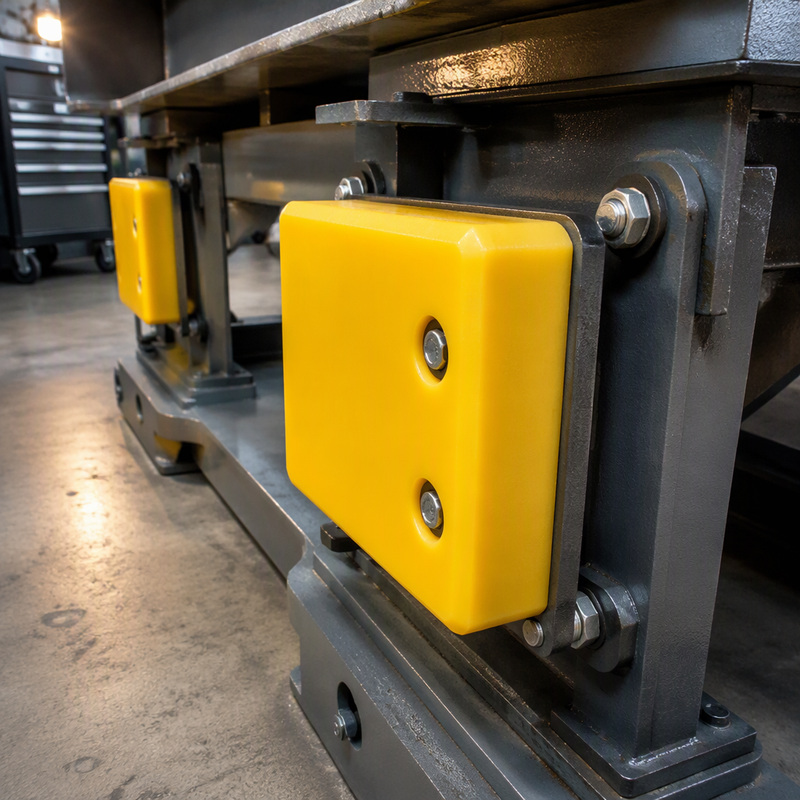
Urethane blocks are versatile, durable materials commonly used in various industrial applications, ranging from cushioning to insulation. As a purchasing manager or engineer, selecting the right urethane block can be pivotal for your project's success. Key concerns often include material properties, cost considerations, and supplier reliability. This article will guide you through the critical aspects of urethane blocks, helping you make informed decisions tailored to your specific project needs.

Quality and Cost Considerations
When evaluating urethane blocks, two primary factors come into play: quality and cost. The relationship between these factors is crucial for achieving a balance that meets both performance and budgetary requirements. High-quality urethane blocks typically offer better durability and performance, which can lead to lower maintenance costs and fewer replacements over time.
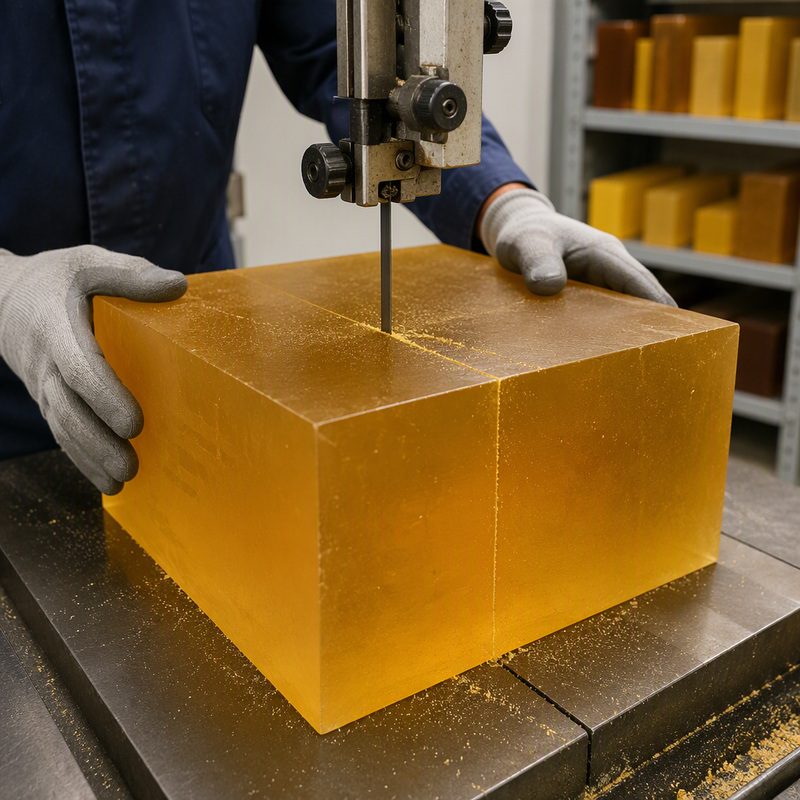
To assess quality, look for suppliers who adhere to industry standards and have robust quality control processes in place. Certifications related to material performance, such as ASTM or ISO standards, can be indicators of a reliable product. Understanding the manufacturing processes used by your supplier can also provide insight into the quality of the urethane blocks. For instance, advanced production techniques like CNC machining can enhance precision and consistency.
While it's tempting to opt for the lowest-cost option, consider the total cost of ownership. A lower initial price may lead to higher long-term costs if the product fails prematurely or requires frequent replacements. Therefore, investing in a higher-quality urethane block can yield significant savings in the long run.