
Key Specifications for Polyurethane Foam Waterproof

All Categories

polyurethane foam waterproof

Polyurethane foam  waterproof products are essential  in  various  industries for their effective moisture barriers and  insulation properties. These materials are particularly valued for their versatility and effectiveness in preventing water  ingress  in structures. For B2B buyers, the primary concerns  often revolve around  product specifications,  installation processes, cost factors, and application suitability. This  article will provide  a  comprehensive  overview  of polyurethane foam waterproof products,  addressing  key specifications, cost considerations for bulk orders, various applications, installation guidance, and common issues encountered  with  these materials. Additionally, understanding the role of proper materials, such as Steel Structure Components, can enhance the effectiveness of these products.
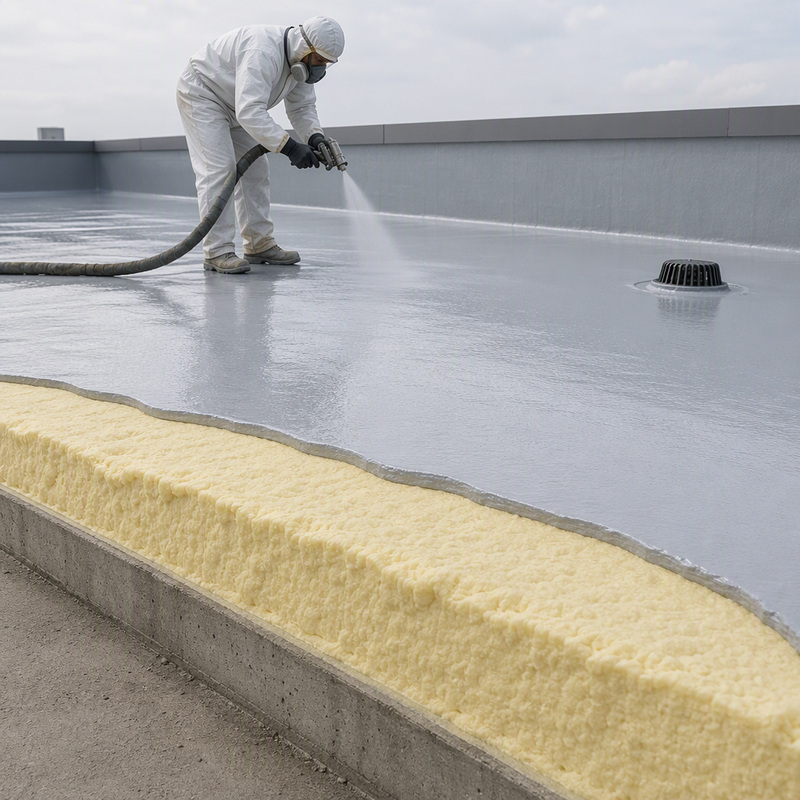
 
Cost Factors for Bulk Orders of Polyurethane Foam Waterproof Products

Cost Factors for Bulk Orders of Polyurethane Foam Waterproof Products

When purchasing polyurethane foam waterproof products in bulk,  several cost factors come into play:

Material Costs: The quality and type of polyurethane foam significantly affect the price. Higher density and specialized foams typically command a premium.

Order  Quantity: Bulk orders generally benefit  from economies of scale.  Larger quantities often lead to lower per-unit costs,  making it essential to assess  optimal  order sizes.

Customization: Custom specifications, such as unique dimensions or properties, can increase costs. Buyers  should weigh  the benefits of  customization  against budget  constraints.

Shipping and Handling: The weight and volume of polyurethane foam can impact shipping costs. Buyers should consider logistics and transportation factors when calculating total  expenses.

Production Lead Times: Longer lead times for specialized or custom  orders may incur additional costs. It's essential to factor in potential delays and  their impact on project timelines.

Supplier Relationships: Established relationships with suppliers can lead to better  pricing and terms. Building a long-term partnership often results in more favorable pricing structures.

Understanding these cost factors will help buyers make informed decisions about  their purchasing strategies and budget allocations  for polyurethane  foam waterproof  products.
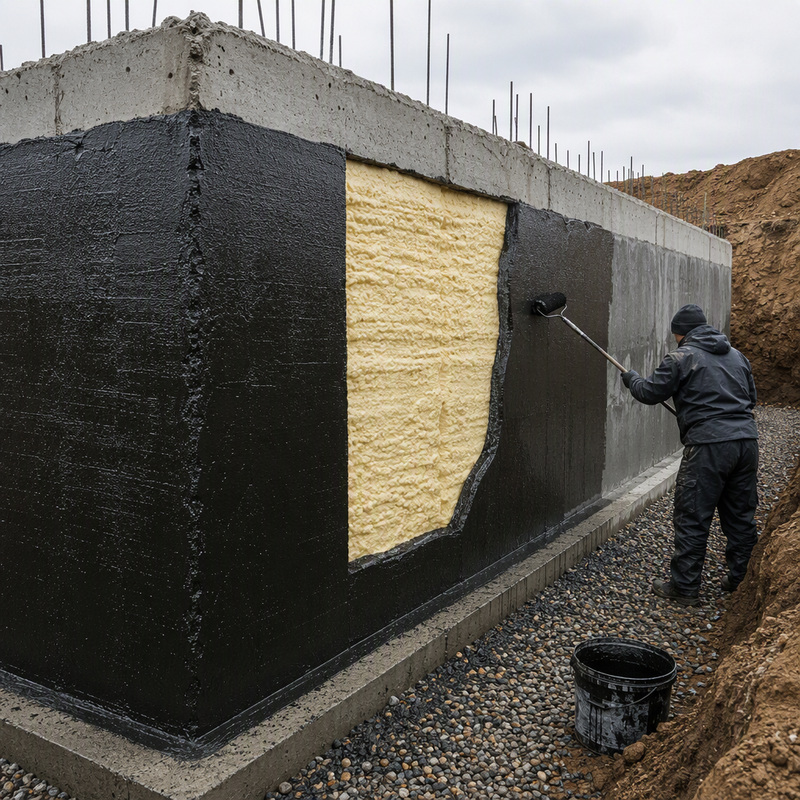
Applications of Polyurethane Foam Waterproof in Various Industries

Applications of Polyurethane Foam Waterproof in Various Industries

Polyurethane foam waterproof products  find applications across  multiple industries due to their versatility:

Construction: Used as insulation and waterproofing material in roofs, walls, and basements, polyurethane foam  helps enhance energy efficiency and  protect  against water damage. The integration of components like Steel Columns & Beams can further strengthen the overall structure.

Automotive: In vehicles, it serves as sound insulation and waterproofing in various  components, ensuring durability and comfort.

Aerospace: Lightweight polyurethane foam is  utilized in  aircraft for insulation  and structural components, where moisture resistance is critical.


Marine: In boat manufacturing, polyurethane  foam is often used for buoyancy and insulation, providing both waterproofing and structural integrity.


Packaging: The foam's  cushioning properties make it ideal for protecting  fragile items during  shipping, ensuring that they remain dry and undamaged.

HVAC: Polyurethane foam is commonly used  in heating, ventilation,  and air conditioning systems for insulation, contributing to energy efficiency and moisture  control.

Understanding the specific applications of polyurethane  foam waterproof products will assist buyers in  selecting the right solutions for their industry needs.

Installation Guidance for Polyurethane Foam Waterproof Systems

Installation Guidance for Polyurethane Foam Waterproof Systems

Proper installation  of polyurethane foam waterproof systems  is critical for optimal performance. Here are essential  steps for successful installation:

Surface Preparation:  Ensure that the surface is clean, dry,  and free of contaminants. Any debris or moisture can compromise the adhesion of the foam.

Temperature Considerations:  Installation should occur within the manufacturer's specified temperature  range to  ensure  optimal curing and adhesion.

Application Method: Polyurethane foam can be applied using various methods, including spray, pour, or  panel systems. The selection of the method should depend on the specific application and environmental conditions.

Curing Time: Allow adequate curing time as specified by the manufacturer before subjecting the foam  to stress or environmental conditions. This step is crucial for ensuring the  product's durability.

Sealing  Joints  and Edges: Pay attention to joints  and edges where the  foam meets  other materials. Proper sealing is vital to prevent water ingress.

Quality Control: Regularly check  the application for consistency and thickness during installation. Uneven application can lead to vulnerabilities in waterproofing.

Following these guidelines will help ensure that the polyurethane foam waterproof system  performs as intended, providing reliable moisture protection and insulation.


Common Problems with Polyurethane Foam Waterproof and Their Solutions

Despite their  effectiveness,  issues can arise with  polyurethane foam waterproof products. Here are some common problems and their solutions:
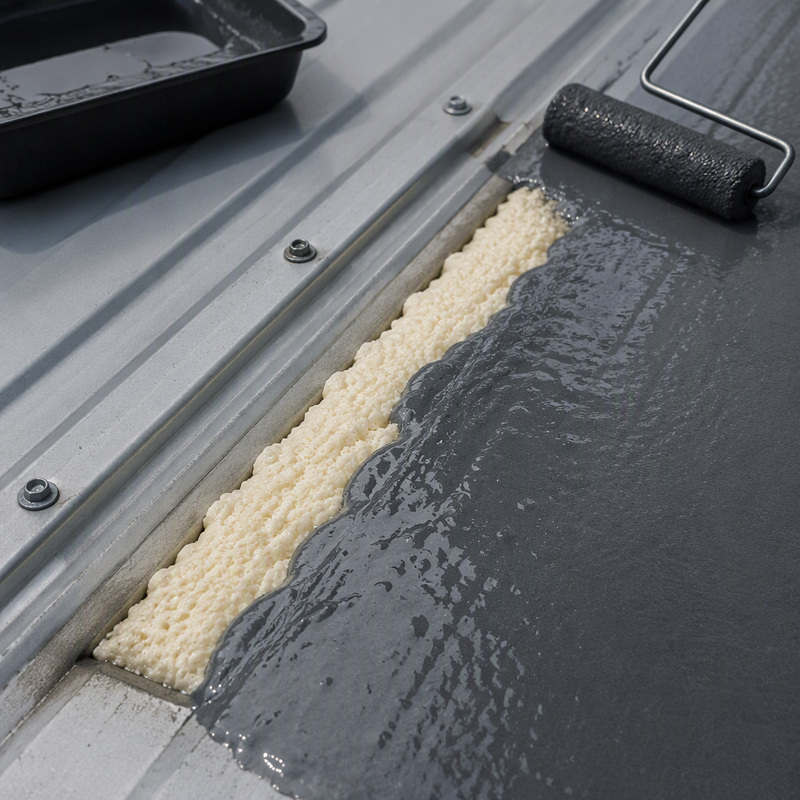
Poor Adhesion: This can occur due to contaminated surfaces or improper temperature during  installation. Ensure  surfaces are clean and  meet temperature requirements to promote adhesion.

Water Ingress: If water penetrates the foam, it may indicate  insufficient thickness or  improper installation. Reviewing  installation procedures  and ensuring compliance with specifications can prevent this issue.


Degradation Over Time:  Exposure to  UV light can degrade  the foam's performance. Using UV-resistant coatings can help protect the foam from sunlight and  extend its lifespan.

Temperature Fluctuations:  Polyurethane foam may expand or contract with temperature changes, potentially leading to cracks. Selecting a foam  with suitable thermal properties for the application can mitigate this risk.

Odor Issues:  Some polyurethane foams can emit odors during curing. Ensuring proper ventilation during installation can alleviate discomfort.

Compatibility Issues: Some chemicals can adversely affect polyurethane foam. Verify compatibility with surrounding materials and environmental conditions to avoid chemical degradation.

By being aware of  these common problems and their respective solutions, buyers can ensure a smoother  installation process and prolonged performance from their polyurethane foam waterproof products.

Key Specifications for Polyurethane Foam Waterproof Products

When considering polyurethane foam waterproof products, several key  specifications must be evaluated:


Density: This affects the foam's insulation properties and durability. Higher density foams tend to provide better thermal insulation and mechanical strength but may also come at a higher cost.

Thickness: The required thickness will depend on the application and environmental conditions. Thicker  foams  generally offer better waterproofing but may also add to material  costs and weight.

Compressibility: Understanding the compressibility of the foam is crucial  for  applications involving load-bearing structures. This  specification indicates how the foam  will react under pressure, affecting its long-term performance.

Water Absorption: This metric is essential for assessing how much  moisture the foam can absorb and still perform effectively. Low water absorption is preferable  to ensure longevity and functionality.

Thermal Conductivity: This specification  determines how well the foam insulates against heat transfer.  Lower thermal conductivity  values indicate better  insulating properties.

Chemical Resistance: Depending on the application's environment, the foam's ability to withstand exposure to various chemicals can be critical. Buyers should confirm that the foam meets specific industry standards for chemical exposure.

Fire Resistance:  Many applications require materials to  meet fire safety standards. Buyers should  ensure  that the foam complies with relevant fire resistance ratings.

Understanding these specifications will help buyers select the right polyurethane foam waterproof product for their specific needs and ensure it meets performance  standards.

Frequently Asked Questions

What is polyurethane foam waterproof used for?

It is used for waterproofing roofs, walls, foundations, cold storage and steel structures to prevent moisture ingress and improve thermal insulation in construction and engineering projects.
Yes. Designed for application on H section steel, beams, trusses and composite plates, it bonds well and provides corrosion-resistant waterproofing for steel frameworks.
Surfaces must be clean, dry and free of oil, rust and loose particles. For best adhesion, we recommend priming steel and repairing major defects prior to foam application.
It offers long-term resistance to water, weathering and thermal cycles. Lifespan depends on environment but is suitable for heavy-use engineering projects with regular inspections.
Yes. We provide design, production and sales support, including technical guidance and customization to meet diverse engineering requirements and large-volume orders.

Get a Free Quote

Our representative will contact you soon.
Email
Name
Company Name
Message
0/1000

Related product categories

Get a Free Quote

Our representative will contact you soon.
Email
Name
Company Name
Message
0/1000