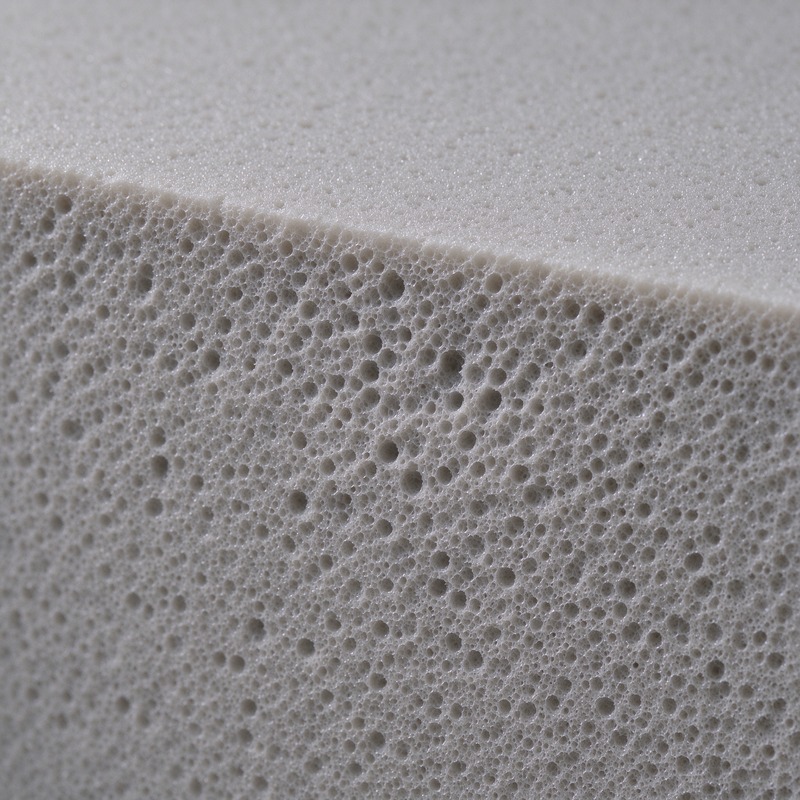
Key Specifications and Applications of Fire Retardant Polyurethane Foam

All Categories

fire retardant polyurethane foam

Fire retardant  polyurethane foam  is  a specialized material  designed to  inhibit  the spread of flames and reduce smoke  emissions in various applications, especially in construction and  manufacturing. As a  purchasing manager or engineer, understanding the key specifications, quality evaluation methods, and application suitability of  fire retardant polyurethane foam is crucial for  making  informed decisions. This article  will guide you  through essential aspects of this product,  including its specifications, quality assessment criteria, common issues, and material advantages, helping  you  choose  the  right  solution for your projects.
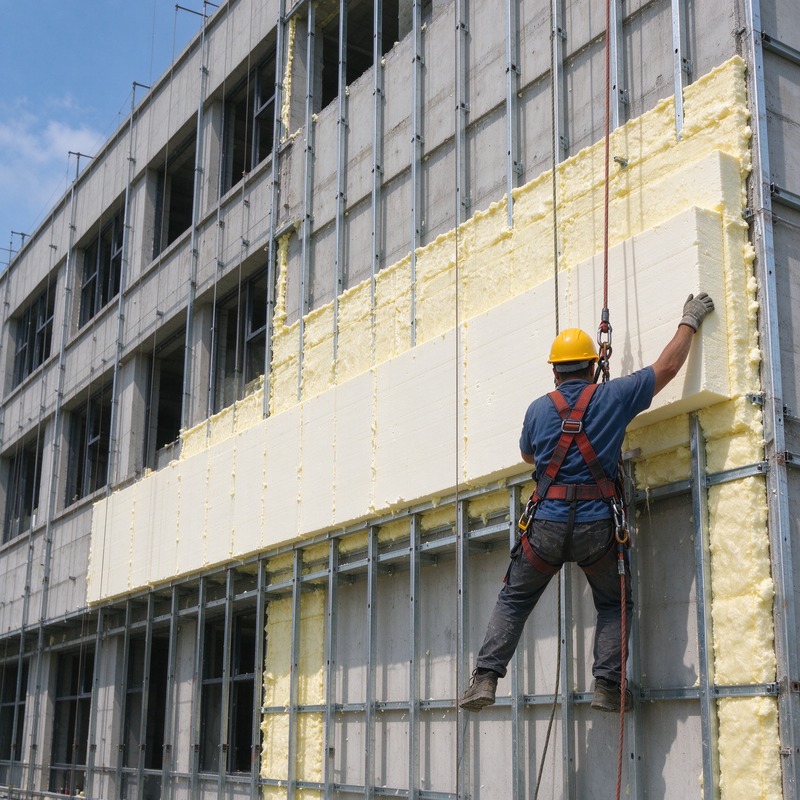
How to Evaluate the Quality of Fire Retardant Polyurethane Foam

How to Evaluate the Quality of Fire Retardant Polyurethane Foam

Quality  evaluation of fire retardant polyurethane  foam involves several steps:

Request Material Samples: Before placing a bulk order, always request samples to inspect quality. This allows you to assess the foam's  physical properties, including its texture, flexibility, and overall appearance.

Check Certifications: Verify that  the foam meets applicable safety and performance standards. Look for certifications from recognized testing organizations, which can substantiate the manufacturer’s claims about fire resistance and durability.

Conduct Physical Tests: Perform tests to measure the foam's density, compression strength, and  thermal conductivity. Comparing  these properties against the specifications provided by the manufacturer will help ensure that the product meets your requirements.

Inspect for  Consistency: Quality control  during  production is vital. Ensure  that the manufacturer has robust quality assurance processes to  maintain uniformity in their products,  especially  for repeat orders.

Review Customer Feedback: Look for testimonials or reviews from other buyers who have used the foam in similar  applications. This can provide insights into  the foam's real-world  performance and reliability.

By rigorously evaluating these factors, you can ensure that  the fire retardant polyurethane foam you  select is of high quality and  suitable for your needs.
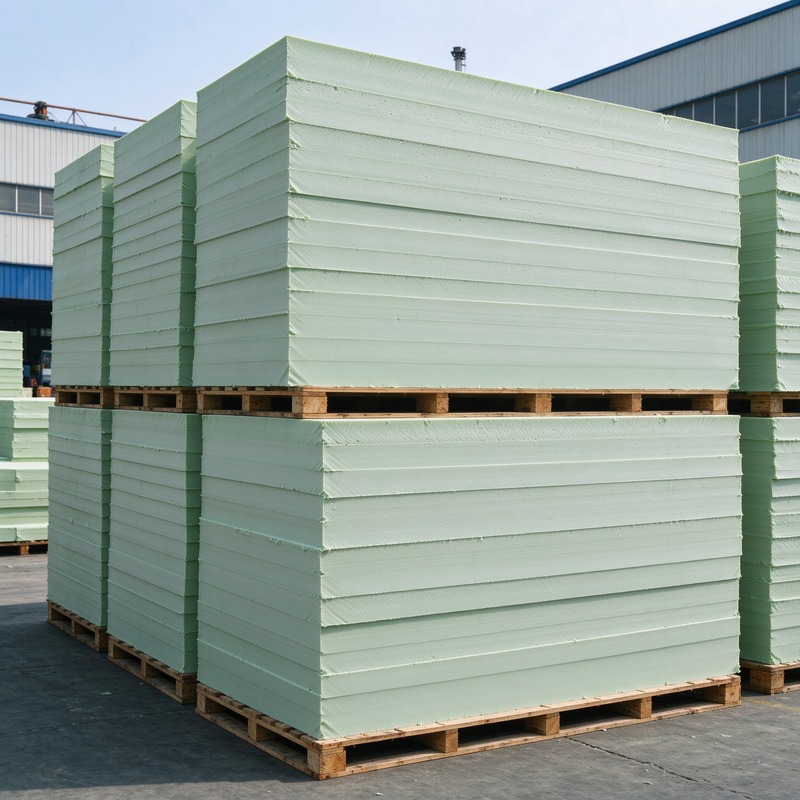
Where to Use Fire Retardant Polyurethane Foam in Construction Projects

Where to Use Fire Retardant Polyurethane Foam in Construction Projects

Fire retardant polyurethane foam is versatile and can be used  in various construction applications, including:

Insulation: It is commonly used  in walls, roofs, and floors to improve thermal performance while providing fire safety. Its low  thermal conductivity helps maintain energy efficiency.

Firestopping: In commercial buildings, it can be applied  in joints and penetrations to prevent  fire and  smoke from spreading between compartments.

Soundproofing: Due  to  its acoustic properties, fire retardant polyurethane foam  can also help in sound insulation, making it suitable for commercial spaces needing quiet environments.

Structural Applications: In  certain scenarios, such as sandwich panels, the foam can provide structural support while  meeting fire  safety  requirements.

HVAC Applications: The foam can be used to insulate HVAC ducts,  reducing energy loss  and enhancing fire safety.

Understanding  where to apply  fire retardant polyurethane foam can significantly enhance the safety and efficiency of your construction  projects.

Common Problems with Fire Retardant Polyurethane Foam and Solutions

Common Problems with Fire Retardant Polyurethane Foam and Solutions

While fire retardant  polyurethane foam offers numerous benefits, some  common issues may arise:

Degradation Over Time: Exposure to UV light or harsh chemicals can degrade the foam. To  mitigate this, ensure proper protective coatings or coverings are applied during installation.

Inadequate Adhesion: Poor adhesion to substrates can lead to foam failure. Ensure the surface is clean and primed according to manufacturer guidelines before application.

Temperature  Sensitivity: Extreme temperatures during installation can  affect  the foam's performance. Ensure that the application  conditions meet  the manufacturer's specifications.

Shrinkage: Some foams may shrink over time, leading to gaps. It’s essential to select high-quality products  with minimal shrinkage properties and to follow  installation guidelines closely.

Variability in Production: Inconsistent quality between batches  can occur. Always  source from reputable manufacturers with strict quality control  measures to ensure uniformity.

By being aware of these  common issues and  implementing  proactive solutions, you can  improve the  effectiveness and longevity of fire  retardant polyurethane foam in your applications.

Understanding Material Advantages of Fire Retardant Polyurethane Foam

Fire retardant  polyurethane foam offers several advantages that make it a preferred choice  in various industries:

Enhanced Fire Safety: The primary benefit is its  ability to resist  flames and reduce smoke production, which is critical in safeguarding lives and property.

Thermal Insulation: The foam provides excellent thermal insulation,  which can contribute to energy savings by reducing heating and  cooling costs in buildings.

Lightweight and Versatile: Its lightweight nature makes  it easy to handle and install, while its versatility allows for a wide range of applications in construction and manufacturing.

Cost-Effectiveness: While initial material costs may be higher,  the long-term benefits, including energy savings and reduced insurance premiums due to  enhanced fire safety,  can justify the investment.

Customizability: Many manufacturers, including Shenyang Haibo Weiye Light Steel Color Plate Co., Ltd, offer customization options to meet specific performance requirements, such as varying densities and thermal  properties.

Understanding  these material  advantages helps  buyers appreciate the  value that  fire retardant polyurethane foam can bring to their projects, making it a strategic choice for enhancing safety and efficiency.

Key Specifications for Fire Retardant Polyurethane Foam Products

When selecting fire retardant polyurethane foam, several specifications are  critical to consider:

Density: The foam's density affects its thermal  insulation properties and fire resistance. Higher density  foams generally offer better performance in fire scenarios, as they are  more resistant to heat and flames.

Flame Retardant Ratings: Look for compliance with  industry  standards such as UL 94 or ASTM E84. These ratings indicate how well the foam can withstand flames and resist ignition. A higher  rating reflects better fire safety performance.

Thermal Conductivity: This specification indicates  how well the foam  insulates against heat. Lower thermal  conductivity values are preferable for  energy efficiency and maintaining temperature control in buildings.

Compression Strength: This measures the foam’s ability to withstand loads without deforming. It’s essential for  applications where the foam will support weight, such as in flooring or structural elements.

Chemical Resistance: Depending  on the installation environment, the  foam may encounter chemicals or  moisture.  Ensure the product's chemical resistance matches your  application needs. For example, using fire retardant polyurethane foam in Steel Structure Buildings can enhance safety and durability.

By understanding these specifications, you can better evaluate which fire retardant polyurethane foam  will meet the demands of your specific projects.

Frequently Asked Questions

What is fire retardant polyurethane foam used for?

It provides thermal insulation and fire resistance for metal structures, roofs, walls, and composite panels in industrial and civil projects, enhancing safety and energy efficiency.
Our fire retardant polyurethane foam meets common industry flame-retardant standards and improves fire resistance of assembled steel and panel systems; specific ratings depend on formulation and testing.
Yes. It bonds well to H-section steel, beams, steel trusses and color steel profiled plates, supporting composite panel systems used in building envelopes and industrial structures.
The foam is designed for integration in prefabrication workflows; it tolerates common fabrication steps but should be applied or protected prior to high-heat welding operations to avoid degradation.
Yes. We provide design consultation, custom foam solutions and production support to meet project specifications, leveraging our steel structure expertise and manufacturing capacity.

Get a Free Quote

Our representative will contact you soon.
Email
Name
Company Name
Message
0/1000

Related product categories

Get a Free Quote

Our representative will contact you soon.
Email
Name
Company Name
Message
0/1000