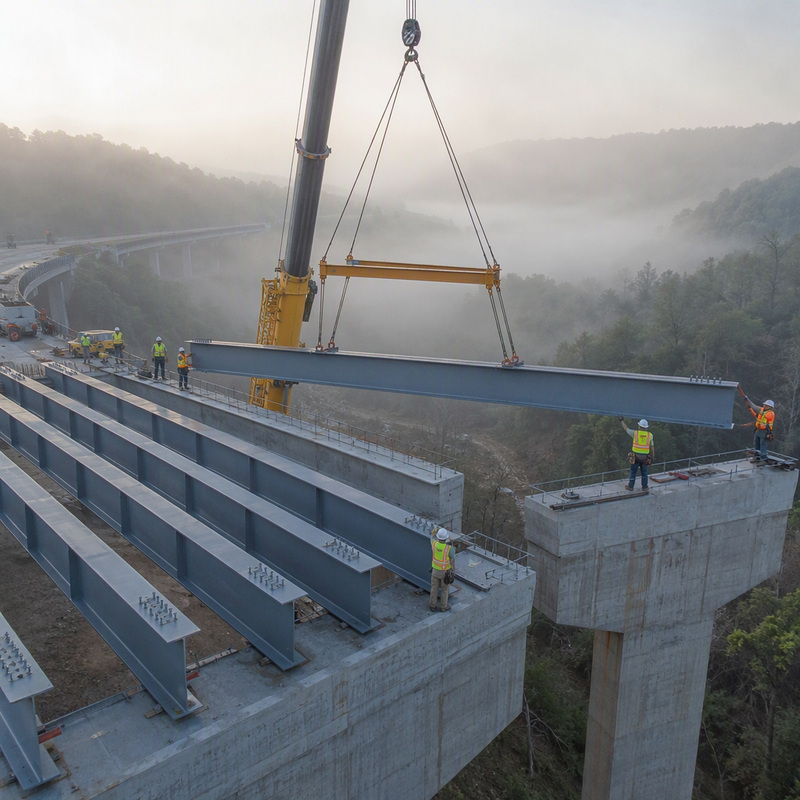
Key Considerations for Steel Girder Bridges

All Categories

steel girder bridges

Steel girder  bridges are essential  structures in  modern infrastructure, providing vital support  for vehicular and pedestrian traffic  over  obstacles like roads, rivers, and valleys. When  sourcing  steel girder bridges, B2B buyers, including purchasing managers  and  engineers,  must consider several  factors to ensure the product meets their project requirements. This  article will explore  key considerations, specifications, manufacturer selection,  the advantages of steel materials,  and  essential knowledge for  buyers in  the steel  girder bridge market.
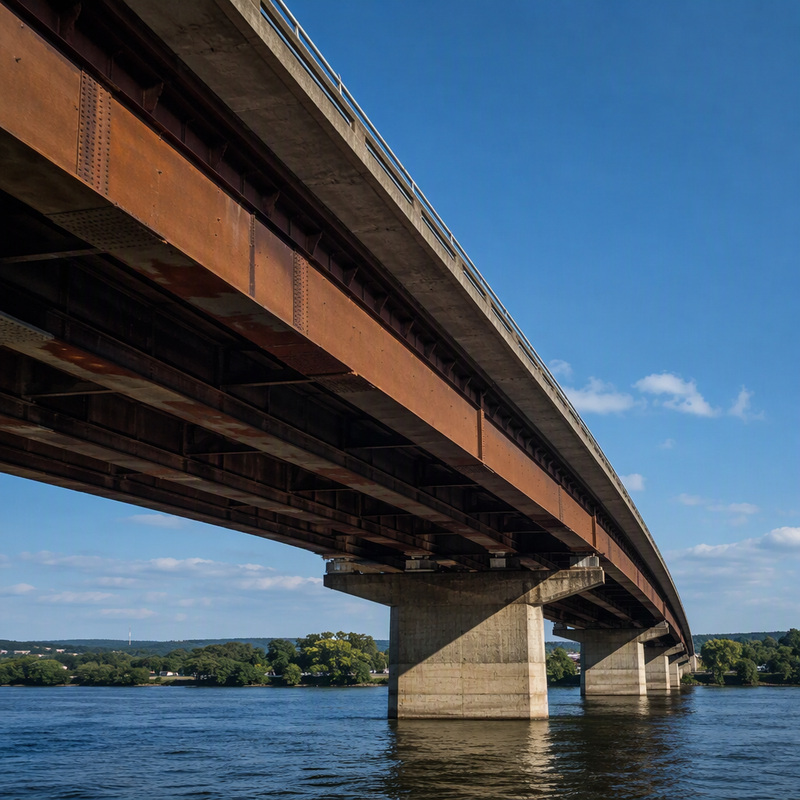
Key Specifications for High-Quality Steel Girder Bridges

Key Specifications for High-Quality Steel Girder Bridges

When evaluating steel girder bridges, key specifications include material type, dimensions,  and structural integrity.

Material Type: Steel grade is critical, as it affects durability and load capacity. Common options include structural  carbon steel and high-strength low-alloy steel. Buyers should also consider corrosion resistance, particularly for bridges exposed to  harsh weather conditions.

Dimensions: The dimensions of the girders, including  height, width, and length, must align with project  specifications. A careful measurement  ensures that the  girders can adequately support  the intended loads without compromising structural integrity.

Welding and Fabrication Standards: Quality welding and fabrication are essential for ensuring the strength and longevity of the bridge. Buyers should  verify that the manufacturer adheres to industry standards, such as those set  by the American Welding Society  (AWS) or equivalent organizations.

Load-Bearing Capacity: This specification defines the maximum load the bridge  can support. It is vital to calculate expected traffic loads, including  live loads (vehicles, pedestrians) and dead loads (the weight of the bridge itself).

Inspection  and  Testing: Before final  approval, bridges should undergo rigorous quality inspections  and  load tests  to ensure they meet safety standards.
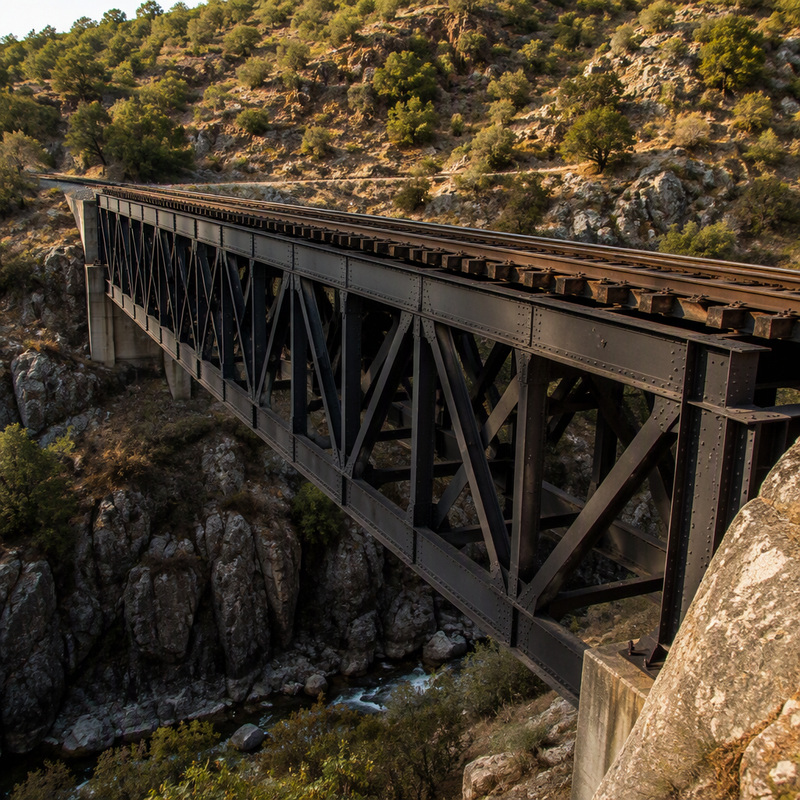
Choosing the Right Steel Girder Bridge Manufacturer

Choosing the Right Steel Girder Bridge Manufacturer

Selecting  the right  manufacturer is a critical step in the procurement  process for steel girder bridges. Buyers should look for manufacturers with proven  expertise in steel  fabrication and  a  robust portfolio of completed projects.

Key Factors to Evaluate:
Production  Capacity: Assess whether  the  manufacturer can meet your project timelines and quantities, especially for  large-scale  projects requiring  multiple girders. Customization  Capabilities: A manufacturer that offers  tailored solutions can  cater to specific design requirements, enhancing project flexibility. Quality Assurance Processes: Look for companies with established quality control systems in place. This includes certifications such as ISO 9001, which indicate a commitment to quality management. Reputation and References: Seek testimonials or  case studies from previous clients, as these can provide insights into the  manufacturer’s reliability and product  performance.

Advantages of Steel Materials in Girder Bridge Construction

Advantages of Steel Materials in Girder Bridge Construction

Steel materials offer numerous advantages in the construction of girder bridges, making them a preferred choice among  engineers and architects.

High Strength-to-Weight Ratio: Steel’s strength allows for longer  spans and lighter  structures compared to other materials, such as concrete. This can  lead  to reduced material costs  and  simplified transportation.

Durability and  Longevity: Steel is resistant to many forms of environmental degradation,  including rot and pests. With proper maintenance, steel bridges  can remain operational for decades.

Design Flexibility: Steel’s versatility allows for  a wide range of designs,  including truss and arch configurations. This flexibility can be crucial  in meeting aesthetic and functional project requirements.

Faster Construction: Steel components can be  prefabricated in a controlled  environment, leading  to quicker assembly on-site. This can significantly reduce  project timelines and labor costs. For instance, using a Prefabricated Steel Structure Warehouse Building can enhance efficiency.

Sustainability:  Steel is 100% recyclable, making it an environmentally friendly choice.  Projects that  prioritize sustainability can benefit from using steel materials.

What You Need to Know

As you prepare  to source steel girder bridges,  it's essential to gather comprehensive information to facilitate a smooth procurement process.

Request for Quotation  (RFQ): When preparing an RFQ, include details such as the bridge type, dimensions, load capacity, material specifications, and required delivery timelines. Providing a  complete picture will  help manufacturers give accurate quotes.

Sample Approval: Before mass  production,  it’s advisable to approve a sample to confirm that dimensions and material quality meet your project’s requirements. This step helps prevent costly modifications later  in the process.

Quality Inspections: Establish  clear quality inspection protocols for the manufacturing phase. This could involve regular site  visits or third-party inspections to ensure that the production adheres to agreed-upon standards.

Lead Times and  Delivery: Discuss lead times upfront,  as these can vary significantly among manufacturers. Ensure that the delivery schedule aligns with your project timeline  to avoid  delays.

Common  Challenges: Be aware of potential challenges  such  as material shortages, which can impact lead times and pricing. Having contingency plans can help mitigate these risks.

By understanding these essential aspects  of sourcing steel girder bridges,  buyers can make informed decisions that align  with their project needs and ensure successful outcomes in their construction endeavors.

What to Consider When Sourcing Steel Girder Bridges for Projects

When sourcing steel girder bridges,  several  key considerations can influence  both the project’s success and the overall cost. First, buyers should  assess the specific application requirements, including  the load-bearing capacity, span length,  and environmental  conditions. Understanding these parameters is crucial,  as they dictate the design and  material  choices.

Next, the compatibility of the chosen bridge design with existing infrastructure  must be evaluated. Buyers  should consider how the new bridge will  integrate with current roadways and transport systems. This may involve  consulting with structural engineers to ensure that the design aligns with local regulations and safety  standards. It is also important to consider the type of materials used, such as the Portal Frame Rigid Bent Pre-engineered Steel Column and Rafter, which can be beneficial in ensuring structural integrity.

Additionally, buyers should  examine  the manufacturer’s capabilities, such as production capacity, lead times, and customization options. Working with a manufacturer who can accommodate  specific project needs—like unique dimensions or load specifications—can greatly enhance project efficiency.

Frequently Asked Questions

What types of steel girder bridges do you produce?

We manufacture H section girders, box girders and trussed steel girder bridges tailored for various load and span requirements using our advanced production lines.
We use high-strength structural steel and follow relevant national and engineering standards, ensuring welds and coatings meet corrosion and load-bearing specifications.
Yes. We integrate design, production and sales, offering custom engineering, CNC precision fabrication and welding to meet project specifications and drawings.
As a major Northeast China processor with large annual output, lead time depends on order size; typical fabrication lead times range from weeks to months—contact us for specific timelines.
We offer technical guidance for installation, on-site coordination and after-sales support including inspection, maintenance recommendations and warranty services as agreed.

Get a Free Quote

Our representative will contact you soon.
Email
Name
Company Name
Message
0/1000

Related product categories

Get a Free Quote

Our representative will contact you soon.
Email
Name
Company Name
Message
0/1000