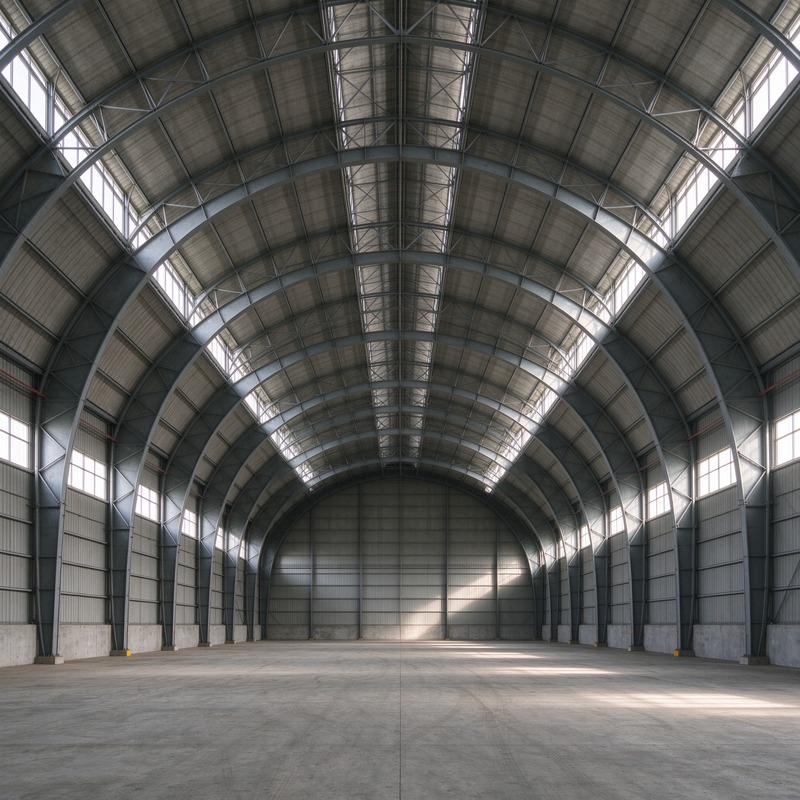
Choosing the Right Steel Construct for Your Projects

All Categories

steel construct

Steel constructs  play a critical role in modern infrastructure  and manufacturing projects,  providing the foundational  strength  and  durability  necessary for a  wide variety  of applications. As a purchasing manager  or engineer, your main concerns  likely  revolve around selecting  the right type of steel construct, understanding specifications, evaluating suppliers, and considering cost-effectiveness. This article will  guide you through  the  essential aspects of  steel construction to  help you make informed decisions for  your projects.
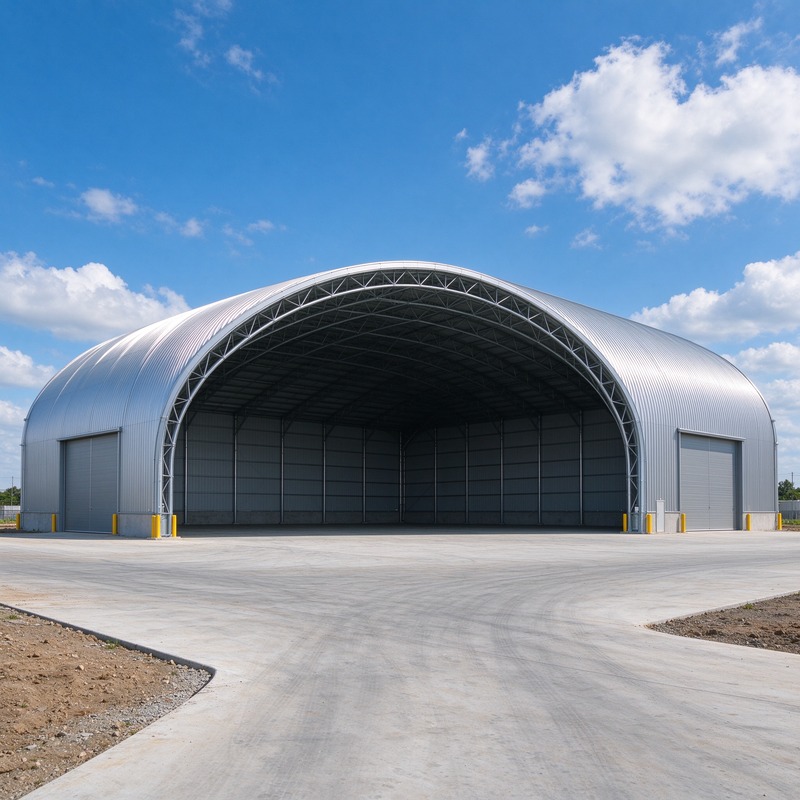
 
How to Choose the Right Steel Construct for Your Wholesale Needs

How to Choose the Right Steel Construct for Your Wholesale Needs

Selecting the right steel construct requires a thorough evaluation of your project’s needs, as well as the  specifications of available products. Start by identifying the type of  construction  you plan  to undertake—residential,  commercial, or  industrial—as this will dictate the necessary  characteristics of the steel constructs you consider.

Additionally, consider  the following factors when making your selection:

Material Grade: The grade of steel  affects its strength, weldability, and corrosion resistance.  Common  grades include ASTM A36 for general structural purposes and ASTM A992 for  high-strength  applications. Dimensions:  Ensure that the dimensions of the steel  construct align with your project specifications. Incorrect dimensions can lead to  compatibility issues during  installation. Customization Needs: Depending on your project, you may require  customized solutions. Discuss available customization options with your supplier to ensure that the final product meets your specifications.

By thoroughly understanding  your project requirements and the features of various  steel constructs, you can make a more informed choice that aligns with your wholesale needs.
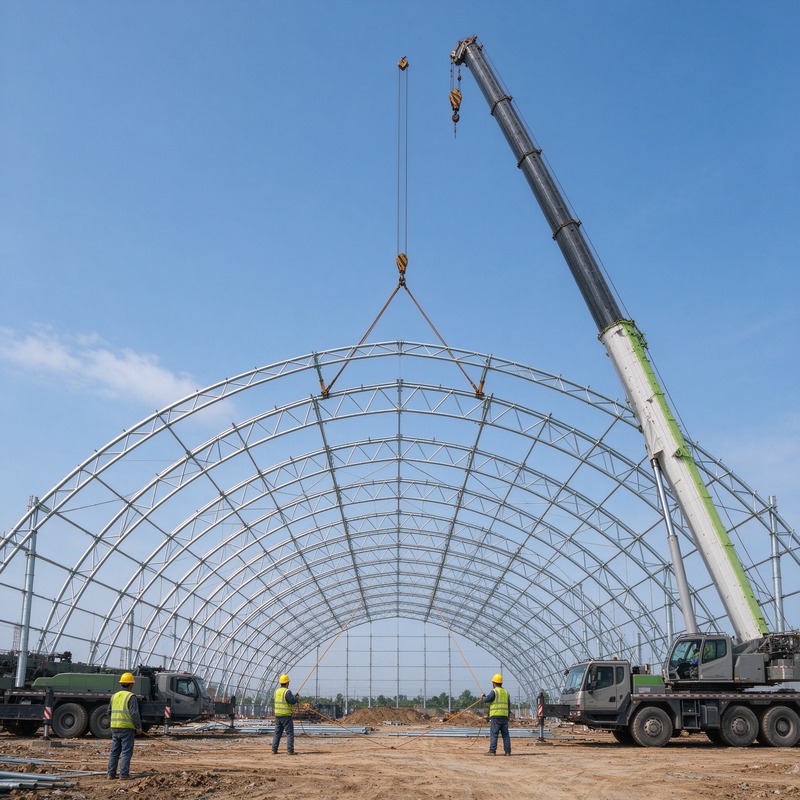
Key Specifications to Evaluate for Steel Construct Suppliers

Key Specifications to Evaluate for Steel Construct Suppliers

When  evaluating steel  construct suppliers, it’s essential to focus on key specifications that will influence the integrity  and performance of your project. Here are some critical specifications to consider:

Yield Strength: This indicates how much load the steel can bear before deforming. Higher yield strength typically translates to a more robust structure. Thickness: The  thickness  of  the steel affects its load-bearing capacity and durability. Verify that the thickness  meets your project’s requirements. Welding Standards:  Ensure that the supplier adheres to proper  welding standards  as defined by organizations  like AWS (American Welding Society). This ensures the reliability of welded joints,  which are critical in structural  applications. Quality Control  Processes: A reputable supplier should have  stringent quality control measures in place, including material testing  and inspection procedures, to ensure that  the steel constructs meet industry  standards.

By  scrutinizing these specifications, you can  select a supplier that not only provides quality steel constructs but also aligns with your project’s safety and performance requirements.

Cost Factors to Consider When Sourcing Steel Constructs in Bulk

Cost Factors to Consider When Sourcing Steel Constructs in Bulk

When sourcing steel constructs in bulk, understanding the cost factors involved is crucial for effective budgeting. Here are some key cost considerations:

Material Costs: Fluctuations in  raw material prices can  significantly impact the overall cost. It’s wise to stay informed about market trends and negotiate pricing based on current conditions. Production  Volume: Many  suppliers offer tiered pricing based on order volume. Assess  your needs  carefully to  take advantage of bulk discounts  without overcommitting. Transportation and  Handling: Consider  shipping costs, which can vary based  on distance and shipment size. Additionally, ensure that your supplier can accommodate  your preferred delivery timeline to avoid project  delays. Additional Services: Some suppliers may offer value-added services such as cutting, welding, or  custom fabrication. While these services may increase initial  costs, they  can save time and reduce labor expenses on-site.

By evaluating these cost factors, you  can make a  more informed  decision that balances quality  with budgetary constraints.

Installation Guidance for Steel Constructs in Various Applications

Proper installation of steel constructs is vital to ensure their performance and longevity. Here are some  general guidelines to follow during installation:

Site Preparation: Before installation, ensure that the site is adequately prepared, including leveling and clearing debris. This affects  the alignment and stability of the steel constructs. Use of Proper Equipment: Employ the right tools and equipment for handling and assembling steel constructs. This includes cranes for large components  and precision tools for accurate measurement  and cutting. Quality Checks During Installation:  Conduct periodic checks during the installation process to ensure that components  fit together correctly and  meet specified tolerances.  This is  particularly important for welded joints, which should  be inspected for integrity. Follow Manufacturer Guidelines: Always adhere to the installation instructions provided  by the manufacturer. This  ensures compliance with safety standards and helps maintain the structural integrity of the finished product.

By following these installation guidelines, you can enhance  the effectiveness of your steel constructs and  minimize the risk of future issues.

In summary, understanding the applications, specifications, cost factors, and installation guidance for steel constructs is fundamental for any  B2B buyer involved in  construction or  manufacturing projects. With a clear grasp of these elements, you can navigate the procurement process  more effectively and ensure the success of  your  projects. For more information on specific structures, you might consider exploring Steel Structure Buildings that cater to various industrial needs.

Understanding Steel Construction Applications for Your Projects

Steel constructs are  utilized across various industries including construction, transportation, and manufacturing. They encompass a range of  products  such as H section steel, box columns,  beams,  and  trusses, all  of which are integral to structural  integrity. For instance, H section steel is often  used in  high-rise buildings due to its excellent load-bearing  capacity, while steel trusses  are ideal for spanning large areas without intermediate supports. Additionally, many industrial projects benefit from the use of Industrial Workshops & Plants that incorporate these steel constructs.

When  considering  steel constructs for your projects,  it’s important to assess the specific requirements of your application. Factors such  as load capacity, environmental conditions, and structural design should influence  your choice.  For example, if your project is in a  seismic zone, opting for a steel construct designed to withstand lateral forces is crucial. Understanding these applications ensures that you select the appropriate steel construct that meets both performance  and safety standards.

Frequently Asked Questions

What is steel construct used for?

Steel construct is used for H section steel, box columns, beams, trusses, bridges, composite plates, profiled color steel and purlins in industrial, commercial and civil engineering projects.
We integrate design, production and sales with advanced steel structure lines, CNC and welding equipment enabling large annual output and diverse product types.
Yes. We offer custom design and fabrication of sections, columns, beams, trusses and plates to specified dimensions, loads and coatings per project requirements.
We employ CNC processing, controlled welding procedures and production line inspections to ensure dimensional accuracy, structural integrity and consistent material quality.
Contact our sales team with project drawings, specifications and quantities. We provide timely quotations, design assistance and production scheduling support.

Get a Free Quote

Our representative will contact you soon.
Email
Name
Company Name
Message
0/1000

Related product categories

Get a Free Quote

Our representative will contact you soon.
Email
Name
Company Name
Message
0/1000