
Key Specifications for Steel Frame Structures

All Categories

steel frame structure

Steel frame structures  are an essential  component  in modern  construction, offering strength, durability, and flexibility for a variety of  applications. For  B2B buyers, such as purchasing managers  and engineers, understanding the nuances of  steel frame  structures  is critical for  making informed  decisions. This  article  will delve into key  specifications, sourcing options, common  challenges, advantages, and quality control measures related to steel  frame structures, equipping you with the knowledge  needed to navigate  your purchasing process effectively.
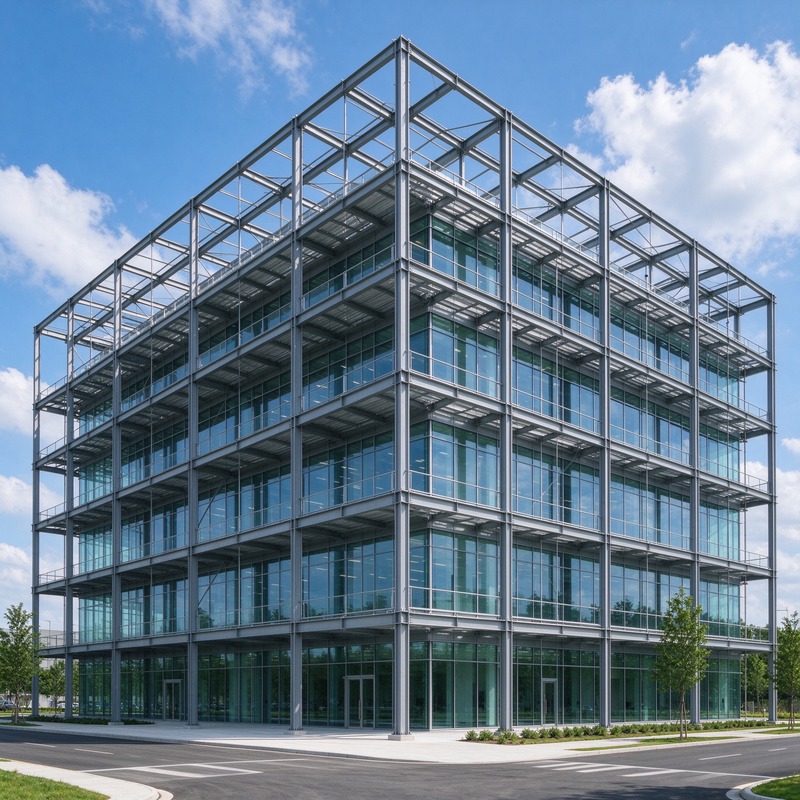
 
Where to Source Quality Steel Frame Structures for Wholesale

Where to Source Quality Steel Frame Structures for Wholesale

Sourcing quality steel frame structures requires  careful consideration of suppliers. Here are some steps to guide your search:

Industry-Specific Manufacturers: Look for manufacturers that  specialize in steel frame structures, such as Shenyang Haibo Weiye  Light Steel Color Plate Co., Ltd. Their integrated  design, production, and  sales capabilities, along with advanced production lines, enhance the likelihood of sourcing high-quality products.

Certifications and Standards: Ensure that potential suppliers adhere to relevant industry standards and possess necessary certifications. This  may include ISO certifications or compliance with local building codes, which can indicate a commitment to quality.

Production  Capacity: Assess the supplier's production capacity to ensure they can meet your  order volume and lead time requirements. A manufacturer with significant annual output can often accommodate larger orders  without compromising on quality.


Customization Capabilities: Depending on your project's needs,  inquire  about customization  options. Many suppliers offer tailored solutions,  enabling you to specify dimensions, material  types, and surface treatments.

Customer Reviews and Case Studies: Investigating past projects and customer feedback can provide insights into  the reliability and quality of the supplier’s products. Look for testimonials or case studies that showcase  successful  implementations of steel frame structures.

By following these guidelines, you  can identify reliable sources for quality steel frame structures tailored to your needs, including options like Commercial Metal Building Kits that can be a great fit for various projects.
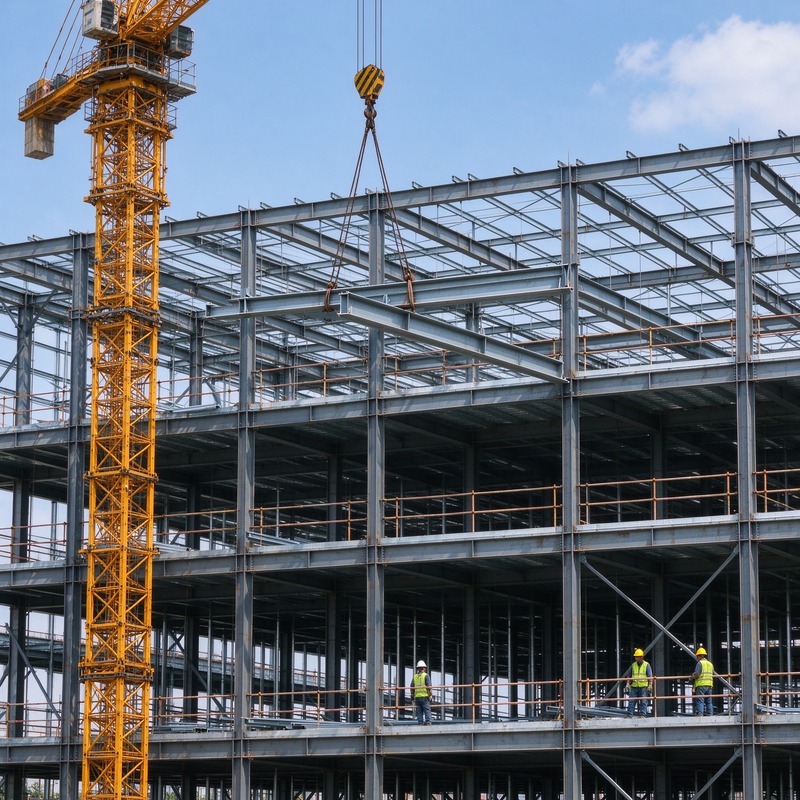
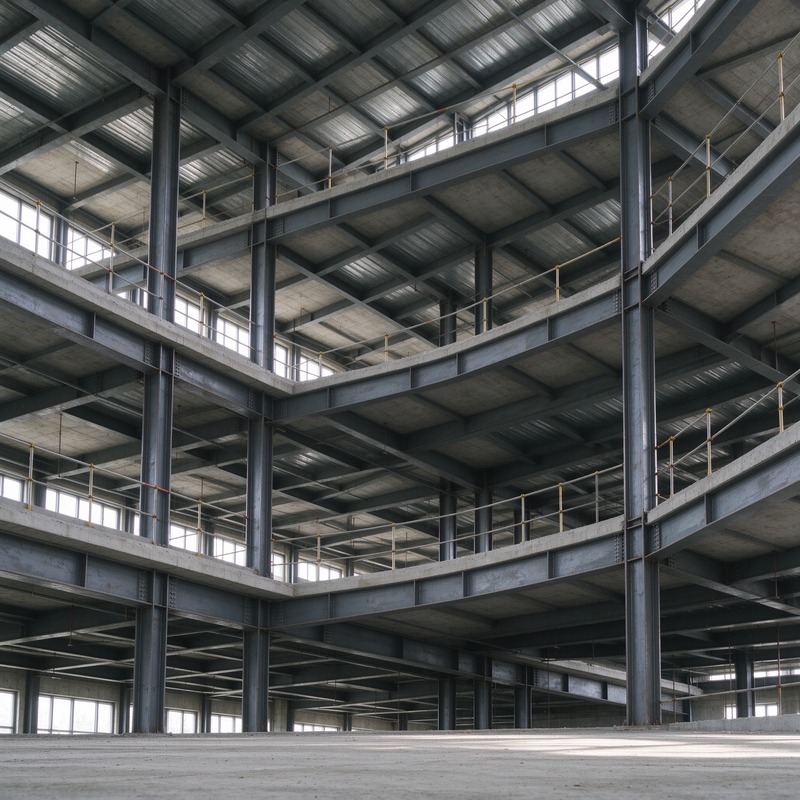
Common Challenges with Steel Frame Structures and Solutions

Common Challenges with Steel Frame Structures and Solutions

While steel frame structures offer numerous benefits, they can also present  challenges. Here are some common issues  and  their solutions:

Corrosion: Exposure to moisture and harsh environments can  lead to corrosion. To mitigate this, specify corrosion-resistant materials or surface treatments during the  procurement process.

Misalignment During Assembly: Misalignment can occur during the installation of steel frame structures, leading to structural weaknesses. To prevent this, ensure precise measurements are taken and use alignment tools during assembly.

Weight Considerations: The weight of steel can impact  transportation and  handling.  Buyers  should evaluate logistics and transportation methods, opting for lighter materials or modular designs when necessary.

Cost  Fluctuations: Steel prices can be volatile.  To  manage costs, consider  long-term contracts with suppliers or explore alternatives  like composite materials, which may offer similar performance at  lower prices.

Complexity of Design: As projects become more complex,  the risk of errors increases. Collaborate with experienced engineers  during the design phase to ensure  that  the steel frame structure is optimized for both performance and cost.

Addressing these challenges proactively can  lead to smoother project execution and better overall results.

Advantages of Steel Frame Structures in Various Applications

Advantages of Steel Frame Structures in Various Applications

Steel frame structures provide numerous advantages  across different applications, including:

Versatility: Steel frames can be tailored to various  structural designs, making  them suitable for commercial buildings, bridges, and industrial facilities. Their adaptability allows for innovative architectural solutions.

Strength-to-Weight Ratio: Steel  offers a  high strength-to-weight ratio, allowing for taller and more expansive structures without compromising safety. This is particularly beneficial in urban environments where space is limited.

Speed  of Construction: Prefabricated steel components  can be manufactured off-site and assembled quickly on-site, reducing construction time and labor costs. This is advantageous  for projects with tight deadlines.

Sustainability: Steel is recyclable, contributing to environmentally sustainable construction practices. Buyers  interested in green building  certifications should consider steel  frames as a viable option.


Durability: Steel is resistant to many environmental factors, including pests, mold, and rot. This longevity results in lower maintenance  costs over the structure's  lifespan, making  it a  cost-effective  choice for buyers.

These advantages make steel frame structures a preferred choice  for many construction projects,  providing practical benefits that align with modern building requirements.

Ensuring Quality Control in Steel Frame Structure Manufacturing

Quality  control  is paramount in the manufacturing of steel frame structures. Here  are essential  practices to ensure high-quality production:

Material Inspection: Implement strict incoming material inspections to verify that all steel  used in production  meets specified grades and standards. This helps prevent future structural issues.

In-Process Quality  Checks: Conduct regular inspections during the manufacturing process, including weld quality assessments and dimensional checks, to catch potential issues early.

Testing Procedures: Employ rigorous testing methods, such as tensile strength tests and load-bearing assessments, to ensure that  finished  products meet performance requirements. Documenting  these tests can provide  valuable insights for buyers.

Supplier Audits: Regularly audit suppliers to ensure they maintain high-quality standards and comply  with industry regulations. This can include reviewing their manufacturing processes and quality assurance protocols.

Final  Inspection and Certification: Before shipping, conduct  a final inspection to confirm that all specifications are met. Providing buyers with documentation and certification can enhance trust and ensure  compliance with project  requirements.

By implementing these quality control measures, manufacturers like Shenyang Haibo Weiye can assure buyers of the reliability and performance of  their steel  frame structures, ultimately leading  to successful project outcomes.


Key Specifications to Evaluate in Steel Frame Structures

When assessing steel frame structures, several  key specifications must be considered:

Material Composition: The quality  of the steel used—often categorized into various grades—affects the strength and durability of the structure. Common  materials include carbon steel and stainless steel, which offer  different benefits depending on the application, such as resistance to corrosion or strength  under load.

Dimensions: Accurate dimensions are crucial. Buyers should verify  the specific sizes  required for beams, columns,  and trusses, as these directly impact  the load-bearing capacity and overall structural integrity.

Load Capacity: Understanding the load requirements—static and dynamic—is vital. The steel frame must support not only its weight but also the additional  loads from equipment, occupants, and environmental factors.


Welding and Joint Types: The methods used for joining steel  components, such as  welding techniques (e.g., MIG, TIG) and bolted connections, influence the frame's performance and  durability. Buyers should ensure  that these  methods  meet the necessary engineering standards.


Surface Treatment: Surface  treatments, including galvanization or powder coating, enhance corrosion resistance and aesthetic appeal. Buyers  should consider the environment where the structure will be used to select the appropriate finish.

Evaluating these specifications helps ensure that the steel frame structure will meet both performance expectations and regulatory requirements. For example, when considering the material composition, you might want to explore Steel Structure Components that can significantly impact the overall quality and performance.

Frequently Asked Questions

What types of steel frame structures do you produce?

We manufacture H section steel, box columns, beams, steel trusses and bridges suitable for various building and industrial projects.
Yes. We integrate design, production and sales and offer customized engineering drawings and technical support for project requirements.
We supply composite plates, color steel profiled plates and coated finishes to meet insulation, corrosion resistance and aesthetic needs.
We operate advanced steel structure lines with CNC and welding equipment, enabling large annual output for diverse engineering scenarios.
Quality is controlled through modern production lines and testing; delivery schedules are coordinated per project scope to meet agreed timelines.

Get a Free Quote

Our representative will contact you soon.
Email
Name
Company Name
Message
0/1000

Related product categories

Get a Free Quote

Our representative will contact you soon.
Email
Name
Company Name
Message
0/1000