EN
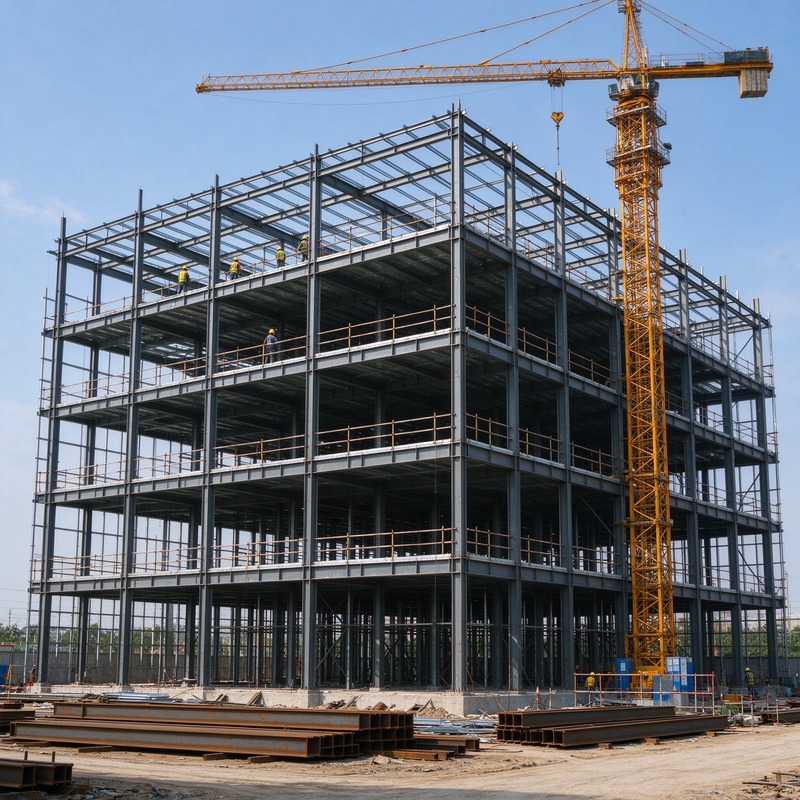
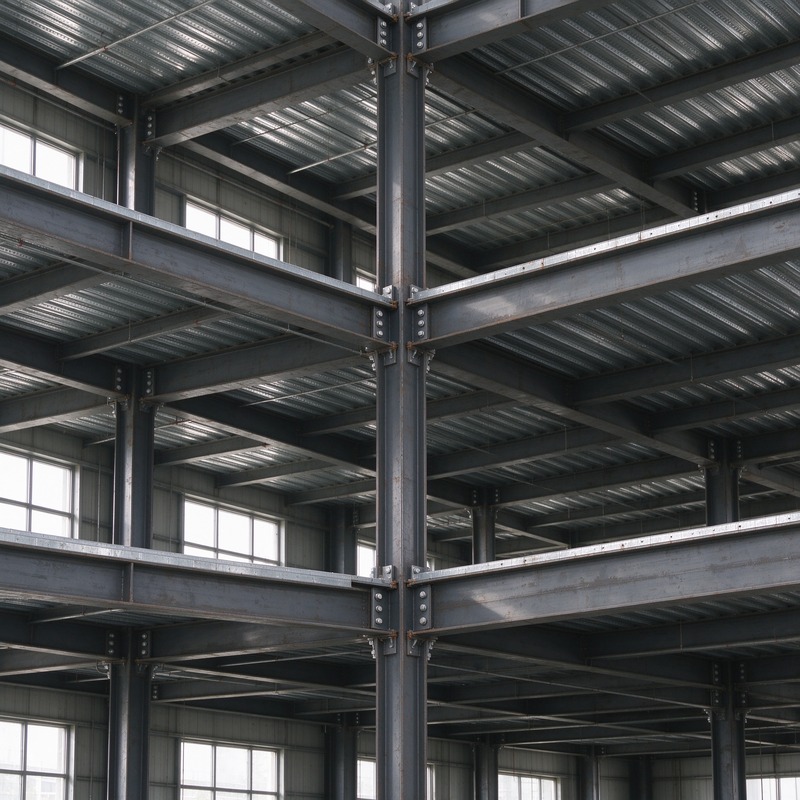
Steel framework construction is a foundational aspect of modern engineering, providing the skeletal structure for various buildings and infrastructures. As a purchasing manager or engineer, your main concerns likely include the material quality, structural integrity, and cost-effectiveness of the steel framework solutions you choose. This article will guide you in selecting the appropriate steel framework for your projects, detailing specifications, sourcing suppliers, understanding cost factors, and exploring applications in different engineering projects.
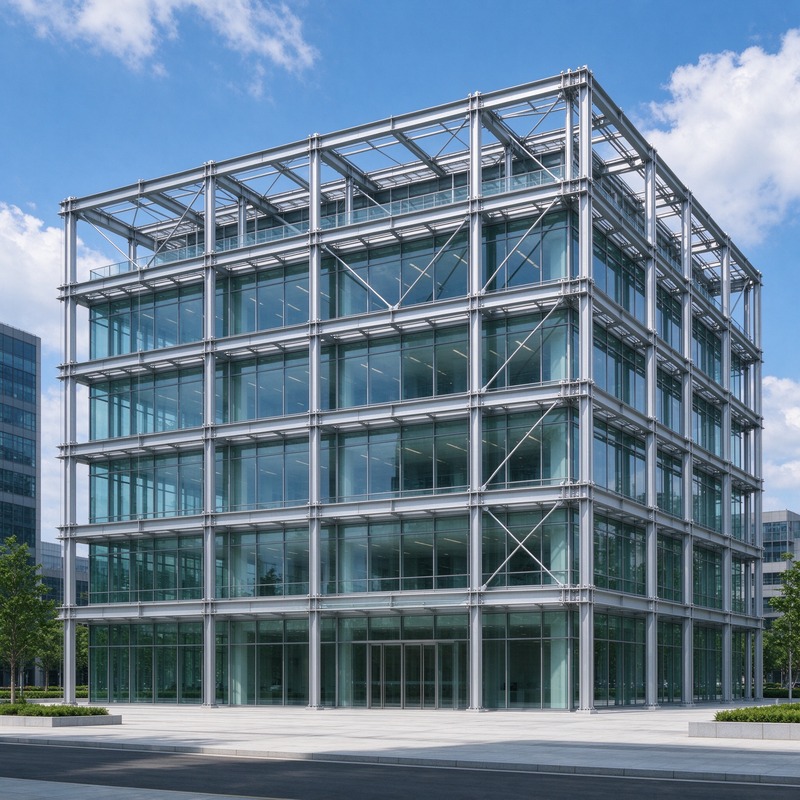
How to Evaluate the Quality of Steel Framework Products
Understanding the specifications of steel frameworks is essential to guarantee the material’s performance and longevity. Key specifications to consider include:
Yield Strength: This indicates the maximum stress the material can withstand without permanent deformation. Higher yield strength is necessary for structures subjected to heavy loads or extreme conditions.
Thickness: The thickness of steel components is critical in determining their strength and durability. Thicker materials are generally more robust but may also increase costs.
Corrosion Resistance: Depending on the environment, ensure the steel is treated or coated to resist corrosion. This is particularly important in coastal areas or industrial settings where exposure to moisture and chemicals is common.
Welding and Fabrication Quality: Assess the quality of welding and fabrication processes used in producing the steel framework. Poor welding can lead to structural failures.