Choosing Steel Beams: Key Considerations for Buyers

All Categories

steel beam

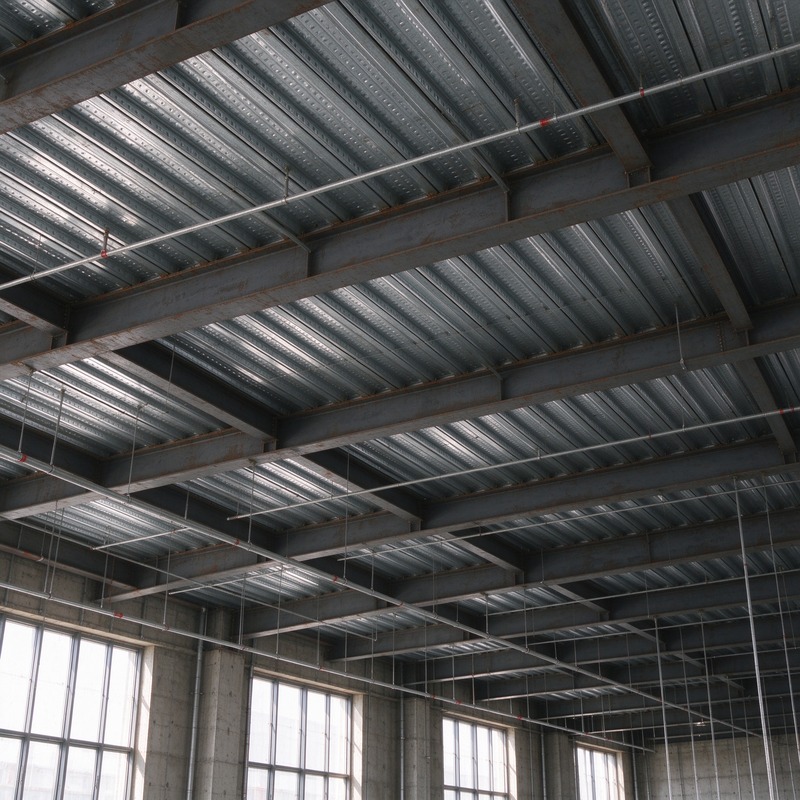
Steel  beams  are  critical structural components  used  in various  construction projects, from commercial buildings  to bridges. When choosing steel beams, B2B buyers such  as purchasing managers, distributors,  and  engineers often  face concerns  regarding  specifications, quality,  and cost. This article  aims  to provide practical insights  into selecting the right steel beams, evaluating  their quality, and understanding  cost factors, ultimately assisting  buyers in making informed purchasing decisions.
Key Specifications of Steel Beams for Wholesale Buyers

Key Specifications of Steel Beams for Wholesale Buyers

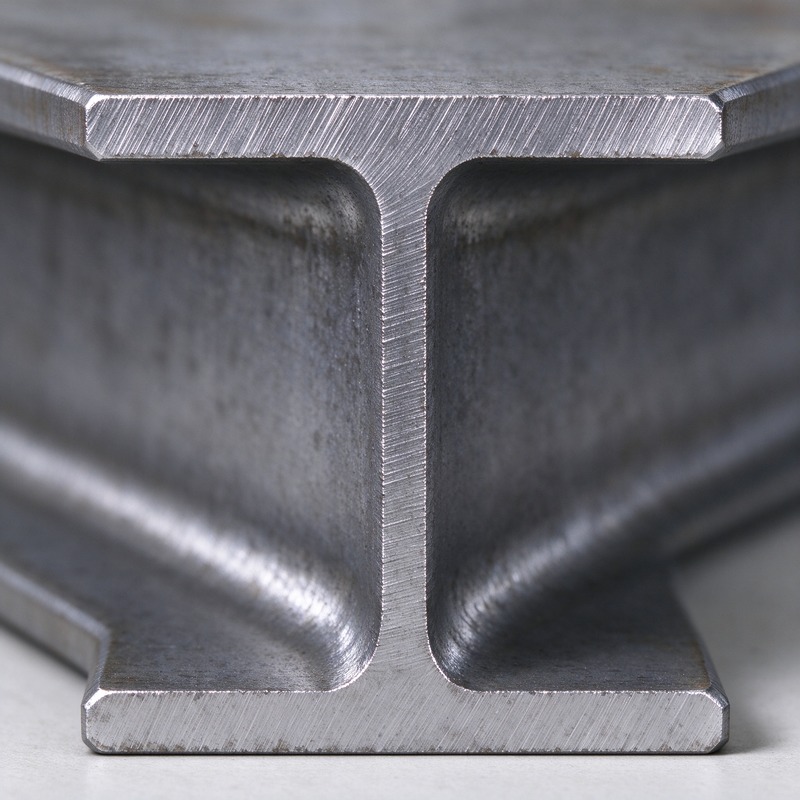
When sourcing steel beams, certain  specifications are critical for wholesale buyers to evaluate. Key specifications include:

Material  Grade: Common  grades such as S235, S275, and S355 denote the  steel's yield strength.  Choosing the right grade  affects  not only the beam's strength but  also its weight and cost.

Dimensions: Beam size is specified by its height, width, and  thickness. Accurate dimensions  ensure compatibility with other structural elements and meet design requirements.

Weight: The weight of the beam influences both transportation costs and structural calculations. It's essential to balance weight with strength for optimal performance.

Finish: Surface treatments, such as galvanization or  painting, enhance corrosion resistance, particularly  in outdoor applications.

Understanding these  specifications  helps buyers  communicate their needs accurately  to manufacturers,  ensuring the right product  is delivered for their  projects.
 
How to Evaluate the Quality of Steel Beams Before Purchase

How to Evaluate the Quality of Steel Beams Before Purchase

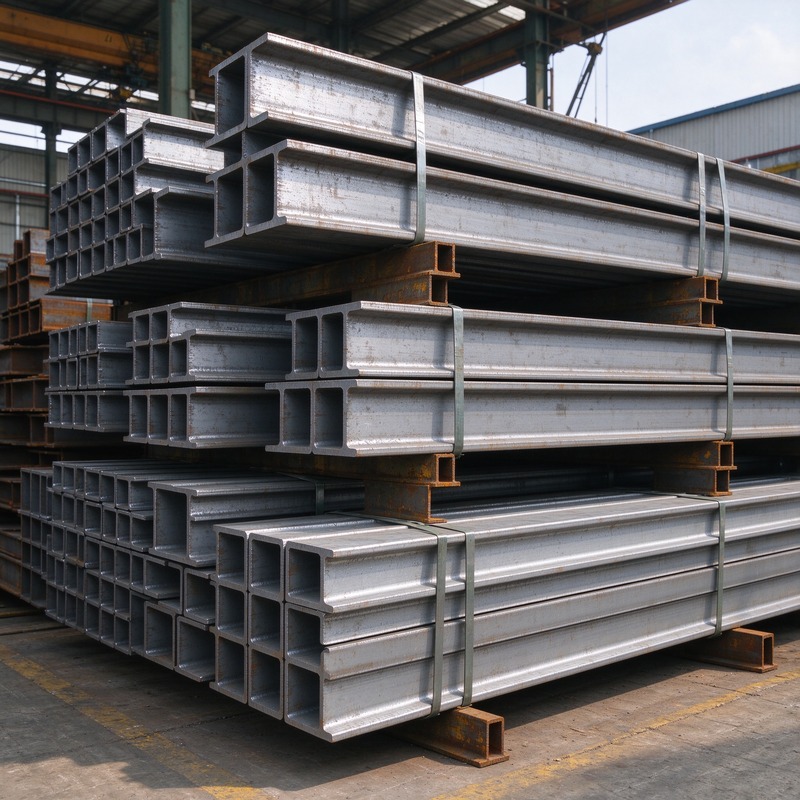
Quality evaluation is paramount  when purchasing steel beams.  Begin by requesting material  test certificates from the manufacturer, which  verify that the steel meets specified standards. These certificates  often include details on yield strength, tensile strength, and  impact resistance.

Next, inspect the manufacturing processes employed by  the supplier. A reputable manufacturer,  like Shenyang Haibo Weiye Light Steel Color Plate Co., Ltd, should have advanced production lines and quality control systems in place. Look for ISO certifications or other quality management  certifications that indicate adherence to industry standards.

Additionally, consider the beam's surface  finish. Ensure  there  are no visible defects such as rust,  scaling, or cracks, which  could  compromise structural  integrity.  If  possible, request samples  for  physical inspection or testing under actual load conditions to assess performance.

Understanding the Cost Factors of Steel Beams for Importers

Understanding the Cost Factors of Steel Beams for Importers

Cost is a significant factor for importers when sourcing steel beams. Several elements contribute to pricing:

Material Prices:  The fluctuating  cost of  raw  materials, including steel scrap prices, directly impacts overall costs. Buyers should stay informed about market  trends to negotiate better pricing.

Manufacturing Complexity: Customization, such as specific lengths, widths, or finishes, often  incurs additional costs.  It's  essential to communicate all specifications upfront to avoid unexpected price  increases.

Transport and Logistics: Importers must consider shipping costs, which can vary based on  the destination,  order  size, and chosen shipping method.  Larger orders may benefit from  lower  per-unit shipping  costs.

Tariffs and Duties: Import tariffs can significantly affect total costs.  Buyers should research applicable tariffs to  budget  appropriately.

By understanding these factors, importers can better assess total  costs and negotiate effectively with suppliers.

Installation Tips for Steel Beams in Various Applications

Proper installation of steel beams is crucial for structural  integrity and safety.  Here are  some tips for effective installation:


Pre-Installation Inspection: Before  installation, conduct a thorough inspection of the beams to ensure they match the  specifications and are free from defects.

Use Appropriate Equipment: Employ cranes or hoists that are rated for the  load capacity of the beams. Ensure that all lifting equipment is in good  condition and operated by trained personnel.


Follow Engineering Plans: Adhere  to the engineering drawings and specifications provided  for the project.  Accurate placement and alignment of beams are essential  to  maintain structural integrity.

Utilize Proper Fasteners: Select the correct type of bolts, welds, or connectors as specified in the engineering design. Ensure they are installed according to best practices to withstand the expected loads.

Consider Environmental Factors: For projects in areas with significant temperature fluctuations or moisture, consider how these conditions may affect installation and long-term performance. Proper sealing and insulation may  be needed.

Following these tips can help ensure that the installation process is smooth and  that the steel  beams  perform effectively over their intended lifespan. Steel Structure Components play a vital role in ensuring the overall stability and functionality of the structure.

By understanding these elements, buyers can approach sourcing and installation  with confidence, ultimately leading  to successful project outcomes.

What to Consider When Choosing Steel Beams for Your Projects

Selecting the appropriate steel beam for your project involves several  key considerations. Start by assessing the load-bearing requirements based  on the intended application. The type  of structure—whether  it's a building, bridge, or industrial  facility—will dictate  the necessary strength and dimensions of the steel beams. For industrial applications, you might want to explore options such as Industrial Workshops & Plants which often utilize robust steel structures.

Next, consider the beam  type. Common options include I-beams (H-section), C-channels, and box beams, each offering  different structural benefits. For instance,  H-section beams are ideal for heavy loads and  long spans  due  to their high strength-to-weight ratio, making them suitable for  large commercial buildings. If you are considering commercial applications, check out Commercial Steel Buildings for more insights.

Additionally, think about  environmental factors. Will the steel beams be exposed to moisture or corrosive materials? If  so, consider corrosion-resistant  coatings or specific  steel grades designed for  durability in  harsh  conditions.

Frequently Asked Questions

What types of steel beams do you manufacture?

We produce H section steel, box columns, various beams and trusses suitable for buildings, bridges and industrial structures.
We offer custom lengths, widths and thicknesses per project. Standard H sections and box beams follow engineering specs; CNC processing ensures precision.
Yes. We integrate design, production and welding to deliver tailored steel beams and composite solutions to client drawings and requirements.
Advanced steel structure lines, CNC machines and welding support ensure consistent production, inspection and adherence to engineering standards.
As a major Northeast China processor with large annual output, lead time depends on order size; contact us with specs for exact delivery estimates.

Get a Free Quote

Our representative will contact you soon.
Email
Name
Company Name
Message
0/1000

Related product categories

Get a Free Quote

Our representative will contact you soon.
Email
Name
Company Name
Message
0/1000