EN
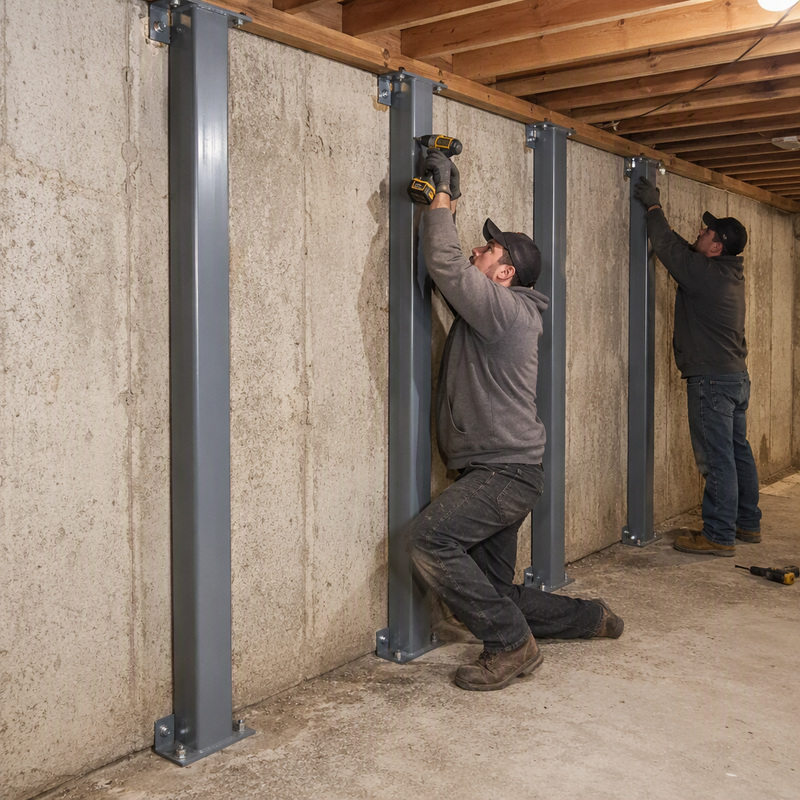
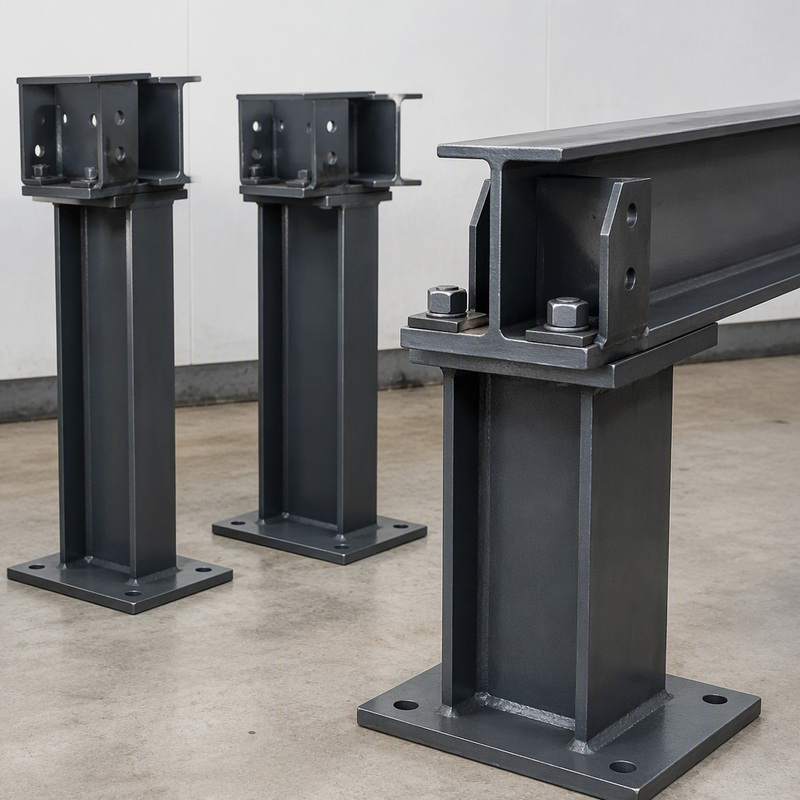
Steel beams are critical structural components used in various construction applications, including basement walls. When selecting steel beams for basement walls, B2B buyers like purchasing managers, engineers, and contractors must consider factors such as load-bearing capacity, dimensions, and material quality. This article will guide you through the essential aspects of choosing the right steel beams for basement wall construction, ensuring you make informed purchasing decisions that meet your project's specific requirements.
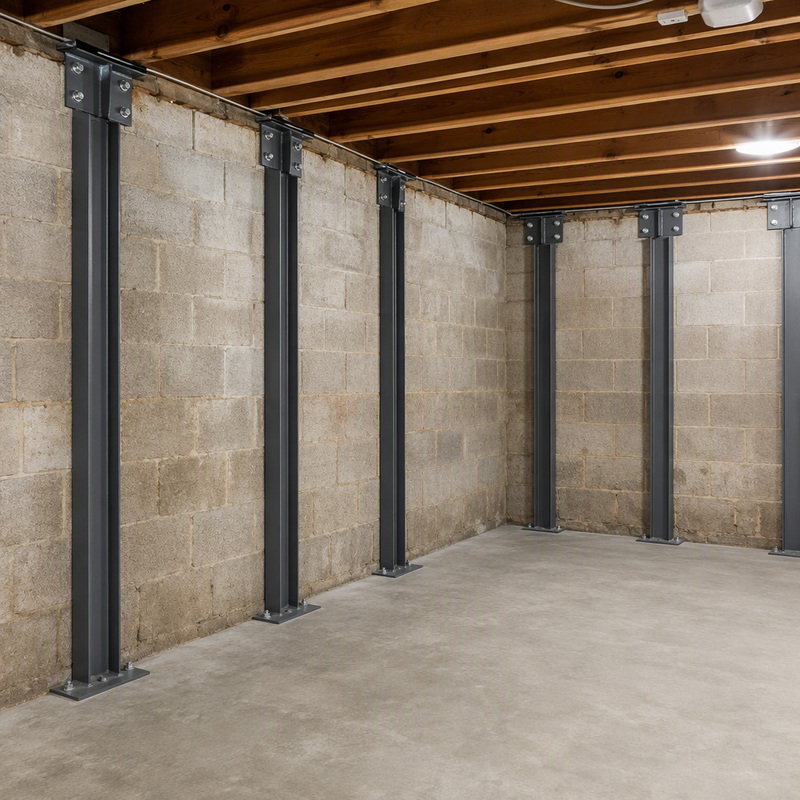
Comparing Steel Beam Specifications for Basement Wall Construction
When comparing steel beam specifications for basement wall construction, several key factors come into play:
Material Grade: Different steel grades offer varying tensile strengths and corrosion resistance. For instance, S355 steel is preferable for high-strength applications, while S275 may suffice for lighter loads.
Dimensions: The width, height, and flange thickness of the beam directly affect its load-bearing capacity. Refer to the American Institute of Steel Construction (AISC) specifications for guidelines on how dimensions correlate with strength.
Weight: The weight of the steel beam will impact transportation and installation logistics. Ensure that the chosen beam can be safely handled by your construction team and equipment.
Weldability: If the beams need to be welded on-site, consider how easily they can be fabricated. Some grades may require specialized welding techniques.
Surface Treatment: Consider whether the beams require additional protection against moisture or chemicals, which is particularly important in basement applications.
By carefully comparing these specifications, you can select steel beams that not only meet structural requirements but also align with your budget and project timeline.