EN
Steel support beams are essential structural elements in basement construction, providing the necessary strength and stability to support loads above. When selecting the right steel support beam for your basement project, it’s important to consider various factors, including material specifications, load requirements, and installation needs. This article will guide you through key considerations in choosing the appropriate steel support beam, evaluating specifications, finding reliable suppliers, comparing costs for bulk orders, and understanding installation processes.
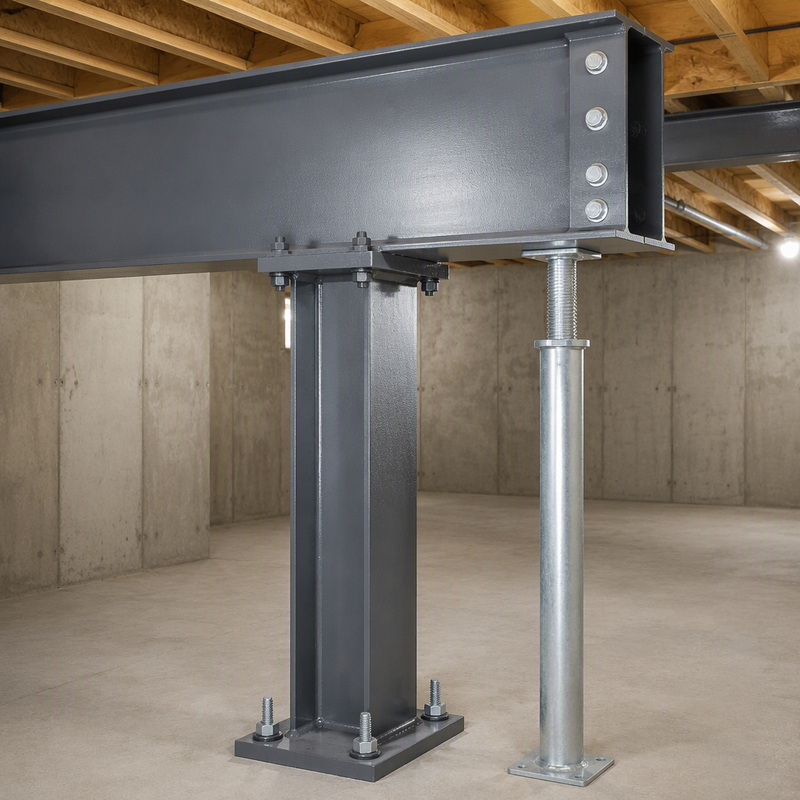
Key Specifications to Evaluate Steel Support Beams for Basements
Several key specifications should be evaluated when selecting steel support beams for basement construction:
Dimensions : The height, width, and depth of the beam significantly affect its load capacity and suitability for your project. Ensure that the dimensions align with your structural requirements.
Material Grade: Look for steel grades that reflect the beam's strength and durability. Common grades include S235, S275, or S355, which denote varying yield strengths. A higher grade typically indicates a stronger material, suitable for heavier loads.
Weight Capacity: Each beam has a maximum load capacity that must be clearly defined. This capacity should be calculated based on the specific application and potential live loads expected in your basement.
Finish and Coating: Steel beams may be galvanized or painted to enhance resistance against corrosion, especially if moisture is a concern in your basement environment. For example, the Galvanized Film Greenhouse Tunnel Plastic Grow Tunnel is a good option for moisture-prone areas.
Weld and Fabrication Quality : Ensure that the manufacturer uses high-quality welding techniques and equipment to maintain structural integrity. Quality control measures during manufacturing are essential to prevent potential weaknesses.