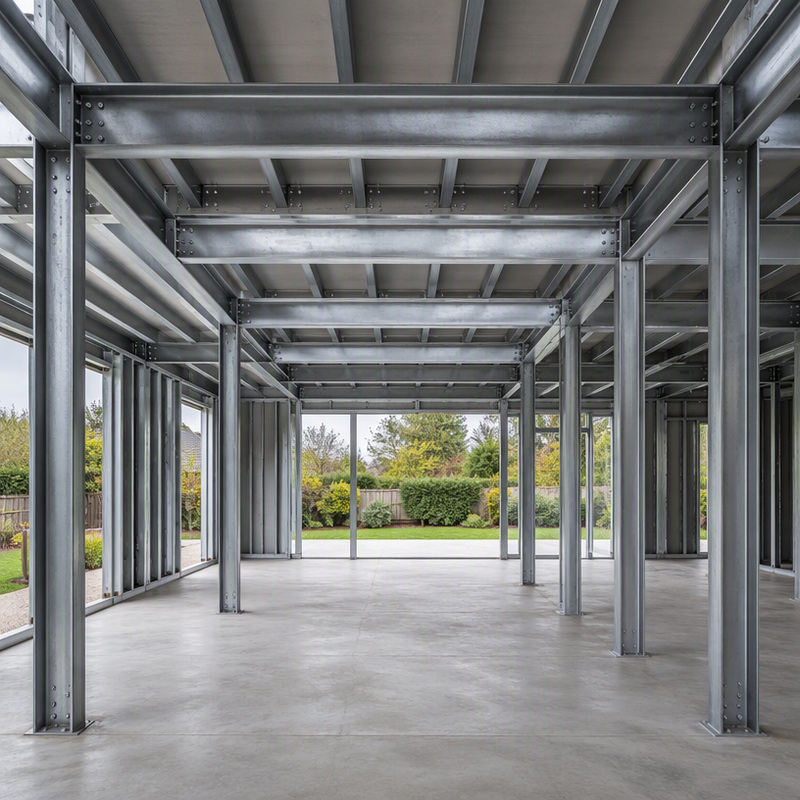
Steel Beams for Residential Construction: Key Insights

All Categories

steel beams for residential construction

Steel beams are  essential  components in residential construction, providing  structural  support and  stability. When considering steel beams for  residential  construction, buyers often focus  on factors such  as strength,  cost, and installation requirements.  This article aims  to guide purchasing managers, distributors, and engineers  through  the  critical aspects of selecting, purchasing, and installing  steel beams, specifically  tailored for  residential  projects.
 
Cost Factors to Consider When Purchasing Steel Beams in Bulk

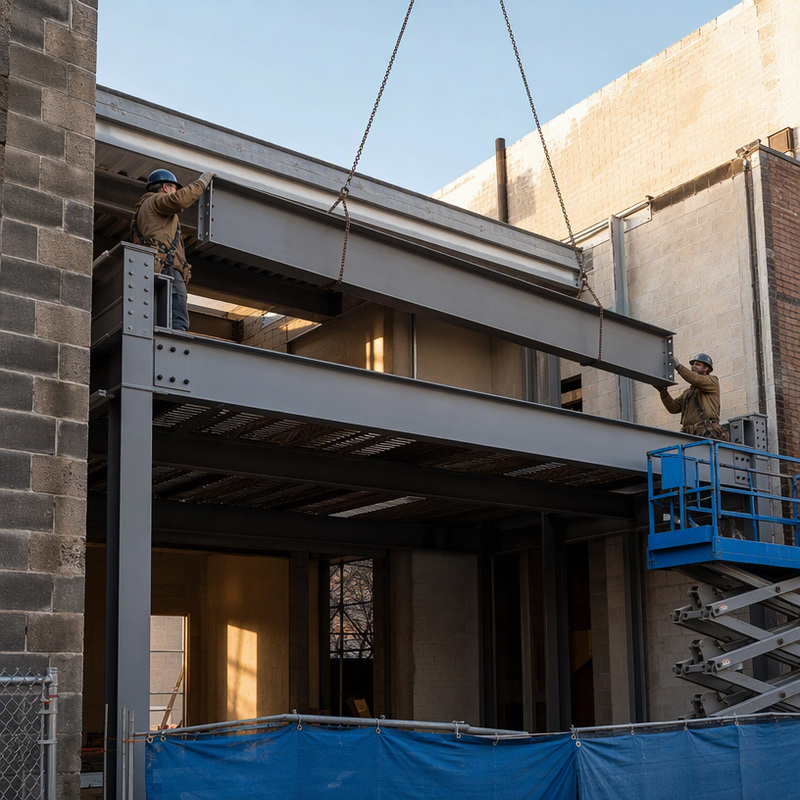
Cost Factors to Consider When Purchasing Steel Beams in Bulk

When purchasing  steel beams  for residential construction, several cost factors come into play. The primary considerations include material type, dimensions,  and quantity. Steel beams come in various grades, with higher grades typically offering  better strength and  durability  but at a higher cost. Buyers should  evaluate the specific requirements of their projects to balance  budget  constraints with the necessary quality.

Another  crucial factor  is the volume of the purchase. Bulk orders often qualify  for  discounts,  but buyers  should also  consider the implications of minimum order quantities (MOQs)  and lead times. It's essential to communicate clearly with suppliers about project timelines and any potential need for customization, as these  factors can influence pricing. Additionally, shipping and handling costs should be factored into the total  expenditure, as transporting steel beams can  be substantial due to their weight and dimensions.
Installation Guidance for Steel Beams in Residential Builds

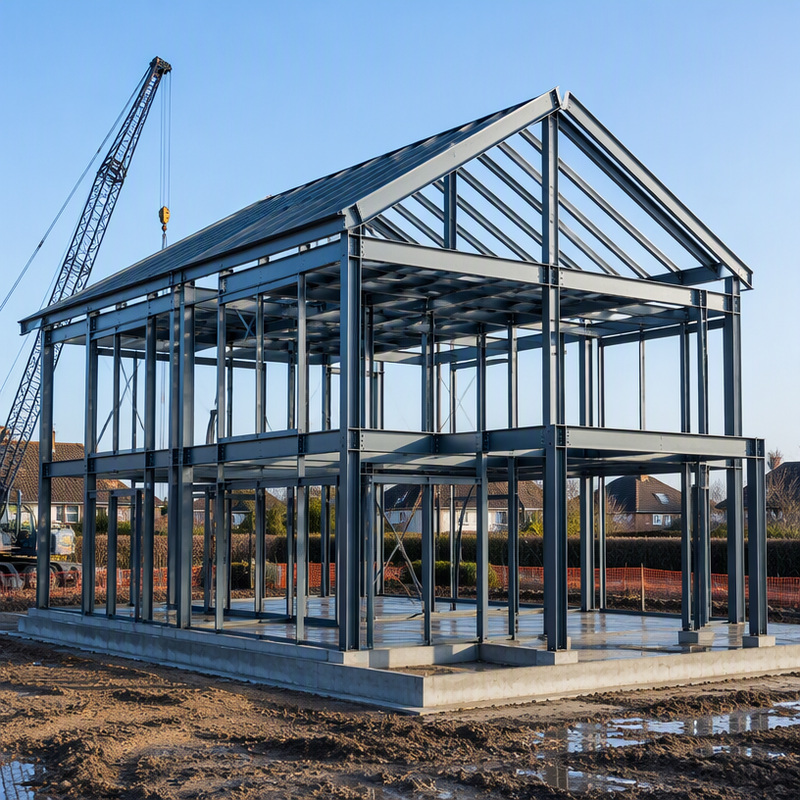
Installation Guidance for Steel Beams in Residential Builds

Proper installation of steel beams is vital to ensure structural integrity and safety in residential construction. Before  installation begins, it is crucial to conduct a thorough assessment of  the construction site and ensure  that the foundation can adequately support the weight of the steel  beams. It is advisable to engage a qualified structural engineer to  review  the  installation plans, taking into account local building codes  and regulations.

During installation, accurate measurements  are  critical. Any discrepancies in beam length or alignment can lead to significant structural issues later on. It is also important to use appropriate lifting equipment and  safety measures,  as steel beams can  be heavy  and unwieldy. Once  installed, beams should be secured properly, often using  welded connections or steel  brackets, to ensure stability and load distribution. You may want to consider using a Laser-cut Steel Gusset Plate Connection Plate Fabrication for enhanced stability.

Post-installation, regular inspections should be conducted to identify  any signs of stress or wear that could  affect the structure's performance. This proactive approach can prevent costly repairs  and ensure the longevity of the residential building.

Evaluating Supplier Reliability for Steel Beams in Construction Projects

Evaluating Supplier Reliability for Steel Beams in Construction Projects

When selecting a  supplier for steel beams, reliability is  paramount. Buyers  should assess potential suppliers based on their  manufacturing capabilities, quality control processes, and reputation  in the  industry. It's essential to inquire about the  supplier's production equipment and  certifications, as these factors directly impact  product quality and consistency.

Additionally, consider the supplier's experience in  the residential construction sector. A supplier that  understands the specific needs and  challenges of residential projects is  more likely  to provide valuable insights and support throughout the purchasing process. Requesting references or case  studies from previous clients can also help  gauge a supplier's reliability and performance.

Lastly, communication is key. A reliable supplier should be responsive and willing to engage  in discussions regarding customization options,  lead times, and  any potential challenges that may arise during production and delivery. Establishing a strong relationship with  the supplier can lead to smoother transactions and better overall project outcomes.

Material Advantages in Home Building

Steel beams offer several material advantages  that make them a preferred choice in residential construction. One of the most significant  benefits is their strength and durability.  Steel can withstand heavy loads  and extreme weather  conditions, making it an ideal option for structures in areas prone to high winds or seismic activity. Unlike wood, steel does not warp, split, or shrink over time, ensuring long-lasting performance.

Another advantage is the material's fire resistance. Steel beams can  withstand high  temperatures, providing an added  layer of safety in residential buildings.  This  characteristic is crucial for compliance with building codes and insurance requirements, potentially reducing long-term costs related to fire damage.

Additionally, steel is recyclable, making it an environmentally friendly option for  construction projects. As sustainability  becomes increasingly important in the construction industry, using steel beams can contribute to a  builder's green credentials.


In summary, steel beams  are a robust and reliable choice for residential construction, offering numerous  advantages in terms of strength, safety, and  sustainability. By understanding the  applications, cost factors,  installation procedures, supplier evaluation, and material benefits, buyers can  make informed decisions that align with their project goals.

Top Applications of Steel Beams in Residential Construction

Steel beams are versatile and can be  utilized  in various  applications within residential construction.  One of the most common uses  is in the construction of load-bearing walls and supporting structures. H-section steel beams, known for their high strength-to-weight  ratio, are particularly effective for spanning larger distances without the need  for additional support columns. This feature is  invaluable in creating open floor plans which are  increasingly popular in modern residential designs.

Additionally, steel beams can be  found in roof trusses, where  they provide the necessary framework to  support roofing materials while  minimizing the risk of sagging over time. In multi-story  homes, steel beams are instrumental in supporting upper levels and  ensuring structural  integrity against lateral forces caused by wind or seismic activity.  Their resistance to  warping and shrinking compared to traditional timber makes them a reliable choice  for  long-term residential projects. If you are interested in building a strong structure, consider our Portal Frame Rigid Bent Pre-engineered Steel Column and Rafter.

Frequently Asked Questions

What types of steel beams do you supply for homes?

We supply H section steel, box columns, beams, steel trusses and composite plates suitable for residential construction, available in various sizes and specifications to meet design needs.
Yes. We offer custom dimensions, section types, welding and CNC processing to match structural drawings and load requirements for residential projects.
We use advanced production lines and supporting equipment, perform dimensional, welding and material inspections, and deliver batches that meet client specifications and applicable structural standards.
Lead times depend on order size and customization. With large annual capacity, typical lead times are competitive; please contact us with project details for an accurate estimate.
Yes. We offer design consultation, fabrication drawings and technical advice to assist architects, engineers and contractors during design and installation stages.

Get a Free Quote

Our representative will contact you soon.
Email
Name
Company Name
Message
0/1000

Related product categories

Get a Free Quote

Our representative will contact you soon.
Email
Name
Company Name
Message
0/1000