
Choosing Construction Steel Beams for Your Project

All Categories

construction steel beams

Construction steel  beams are critical components in  a  variety of  structural applications, providing  the necessary strength and support  for buildings, bridges,  and other infrastructure  projects. When  purchasing construction  steel  beams, B2B buyers often prioritize factors such as quality, cost, and specific project requirements. This article will guide you through  the essential considerations  for  selecting the right steel beams, understanding cost factors, finding reliable  suppliers, and installation guidance to  ensure  your  project's  success.
 
Key Considerations

Key Considerations

When selecting construction  steel beams, several key considerations must be  addressed:

Material Properties: Understanding the steel grade is vital, as it affects strength, ductility, and  weldability. Common grades include S235, S275,  and S355, each offering different mechanical properties suited for  specific applications.

Load  Requirements:  Calculate the expected  loads, including dead loads (weight of the structure) and live loads (occupants, furniture). This information is crucial  for determining the appropriate  beam size and type. This includes understanding how different types of beams can accommodate those loads effectively.

Environmental Factors: Consider the exposure conditions such as moisture, temperature, and  potential chemical exposure, which can  influence the choice of  protective coatings or  corrosion-resistant materials.

Regulatory Compliance: Ensure  that the selected beams meet local building codes and regulations, which can  vary significantly by region.

Quality Assurance: Verify that the manufacturer has  a robust quality control process in place, including material testing and certification, to ensure the beams meet specified standards. 


By addressing these considerations, buyers  can avoid common  pitfalls and ensure that their selected steel beams will perform effectively throughout their intended lifespan.
Understanding the Cost Factors of Construction Steel Beams

Understanding the Cost Factors of Construction Steel Beams

The cost of construction steel beams is influenced by several factors, including  material type, beam specifications, and  market conditions. Here’s a breakdown of what to consider:

Material Costs: The choice of steel grade and  type directly affects pricing. Higher-grade steels tend to be  more expensive but  offer better performance in  demanding applications.

Manufacturing and Fabrication: The complexity of the  beam design and the required fabrication processes can add to the overall cost. Customization options, such as  specific  dimensions or surface treatments,  will also  impact pricing.

Quantity and MOQ (Minimum Order Quantity): Larger orders may reduce the unit cost due to economies of scale. When considering a  supplier, inquire about their MOQ and how it aligns with your project needs.

Shipping and Logistics: The cost of  transporting steel beams to your  project  site can vary based on distance and delivery methods.  Ensure to factor in these  costs when  budgeting for  your project.

Market Fluctuations: Steel prices can be volatile due to global supply and demand dynamics. Keeping abreast of market trends can help in timing your purchase to secure better pricing.

Understanding these cost  factors allows buyers to make informed decisions and negotiate effectively with suppliers.

Where to Find Reliable Suppliers of Construction Steel Beams

Where to Find Reliable Suppliers of Construction Steel Beams

Finding a reliable supplier is crucial for ensuring the quality  and timely delivery of construction steel  beams. Here are some  tips to help in your  search:

Industry  Networks and Recommendations: Leverage industry contacts or professional networks to gather recommendations for reputable  suppliers. Word-of-mouth referrals  can lead you to trusted manufacturers.

Online Directories and Trade Shows:  Utilize online platforms and industry-specific directories to identify potential suppliers. Participating in trade shows can also provide opportunities to meet suppliers and evaluate their offerings  firsthand.

Assessing Supplier Capabilities: Look for suppliers with robust manufacturing  capabilities, such as advanced production lines  and quality control processes. A company like Shenyang Haibo Weiye,  which integrates design, production, and sales, can offer a comprehensive service experience.

Certifications and Compliance: Ensure that the supplier adheres to relevant industry standards and possesses necessary certifications. This  not  only assures quality but also compliance with regulatory requirements.

Customer Reviews and Case Studies: Research  customer feedback and case studies to gauge the  supplier's reliability and performance. A supplier with a history of successful projects is  more likely to  meet your expectations. This can help you identify suppliers that have a proven track record in the industry.

By applying these strategies, buyers can confidently select suppliers  that align with  their project requirements and standards.

Installation Guidance for Construction Steel Beams in Your Projects

Proper installation of construction steel beams is essential to ensure structural integrity and safety. Here are key installation considerations:</p> 

Preparation and Planning: Before installation, conduct a thorough site assessment to identify any potential obstacles.  Confirm that all necessary permits and inspections are in place.


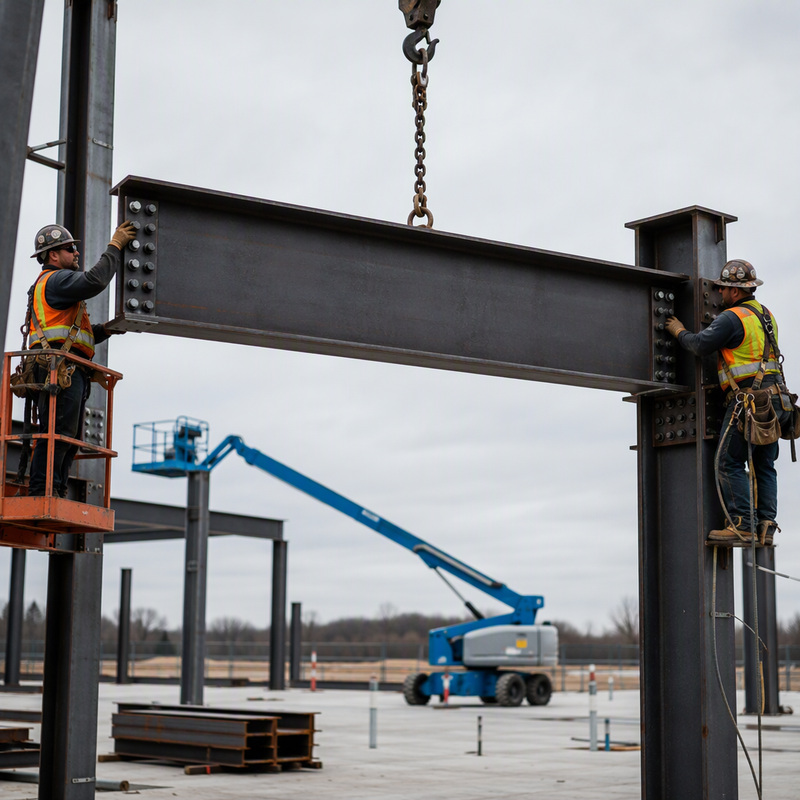
Handling and Storage: Ensure that beams are handled and stored correctly to prevent damage. Use appropriate lifting techniques  and equipment, and store beams on level ground  to avoid warping.


Alignment and Support: During installation, beams must be accurately aligned and supported. Temporary  supports may be required until the structure is secured. This step is critical to avoid misalignment that can compromise structural stability.

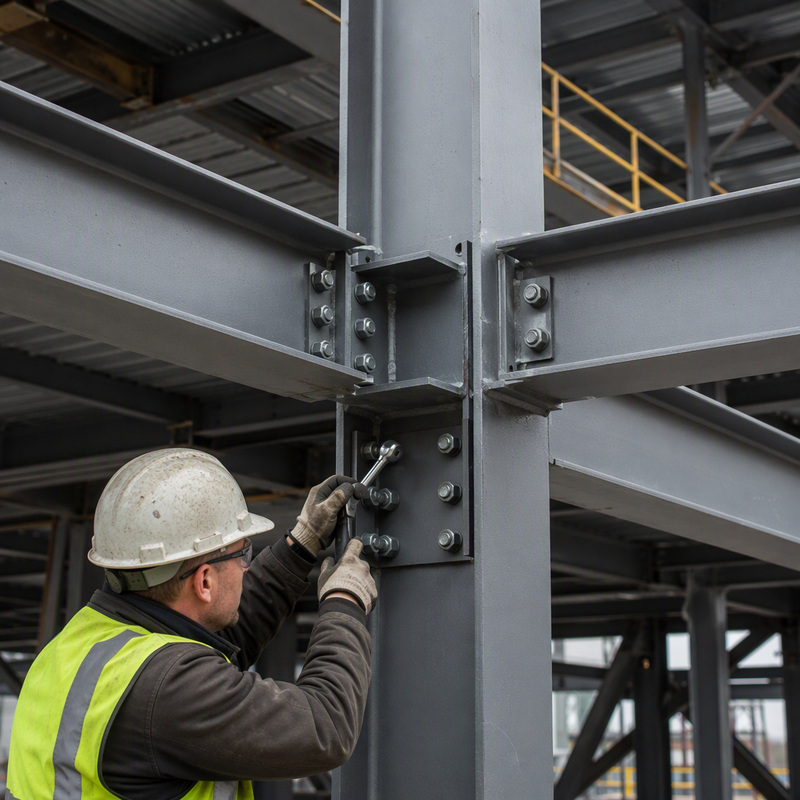
Welding and Connections: Ensure  that welding  and other connection methods meet specified standards. Qualified  welders should perform these tasks to ensure  strength and  compliance with engineering designs.


Post-Installation Inspection: After installation, conduct  a thorough inspection to  verify that all beams are correctly installed and  secured. This includes checking welds, connections, and overall  alignment.

By following these installation guidelines, buyers can help ensure  the longevity  and safety of their steel beam applications, ultimately  leading to successful project outcomes.

Choosing the Right Construction Steel Beams for Your Project Needs

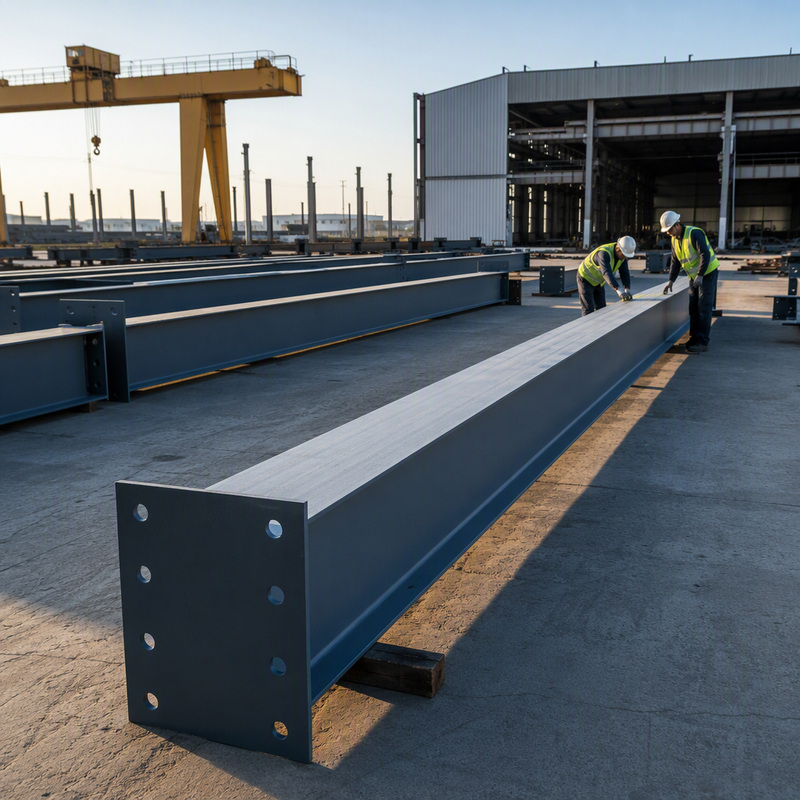
Selecting  the appropriate construction steel beams involves understanding your project's specific requirements, including load-bearing capacity, span length, and environmental conditions. There are several types of steel  beams commonly used in construction, such as H-section steel  beams and box columns.

H-section steel beams, known  for their high strength-to-weight ratio, are ideal for heavy-load applications,  while  box columns  are  often used in high-rise structures due to their excellent  stability. Buyers should  evaluate factors like  the beam's  dimensions, material specifications, and structural integrity  based on the anticipated loads and stresses during use. Furthermore, customization options such as varying lengths, widths,  and thicknesses can be crucial in meeting unique project specifications. Engaging with a supplier like Shenyang Haibo Weiye,  known for its  advanced steel structure production capabilities, can provide insights into the best  options available for  your specific applications.

Frequently Asked Questions

What types of steel beams do you manufacture?

We produce H-section steel, box columns, I-beams, composite beams and custom steel trusses suitable for various engineering projects.
We use advanced steel structure production lines, CNC equipment and welding support to ensure precision fabrication and consistent quality.
Yes. As a major Northeast China processor, we have large annual output capacity to meet demands for bridges, industrial and commercial structures.
Yes. We integrate design, production and sales to provide custom dimensions, section types, coatings and fabrication per project specifications.
We use certified structural steels, strict welding and dimensional inspections, and production line monitoring to maintain strength, durability and compliance with standards.

Get a Free Quote

Our representative will contact you soon.
Email
Name
Company Name
Message
0/1000

Related product categories

Get a Free Quote

Our representative will contact you soon.
Email
Name
Company Name
Message
0/1000