EN
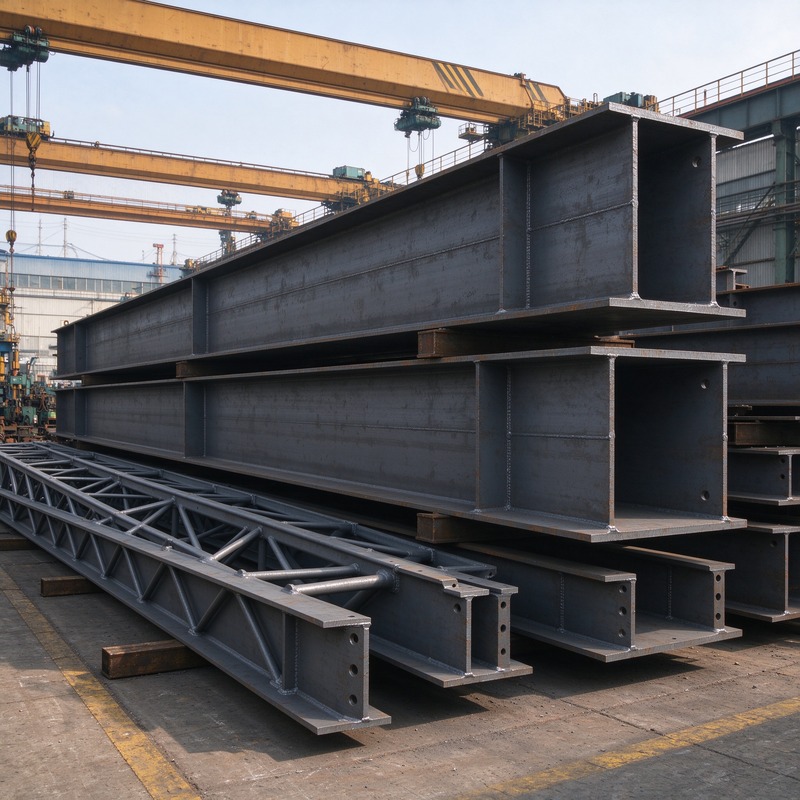
Steel girders are essential structural components widely used in construction and engineering projects. They provide strength and stability for buildings, bridges, and other infrastructures. As a B2B buyer, you may have concerns about the quality, specifications, and sourcing of steel girders. This article aims to guide you through the process of selecting the right steel girder supplier, understanding key factors to consider, and exploring cost and installation aspects, ultimately helping you make informed purchasing decisions.
Key Factors to Consider
When sourcing steel girders, several key factors need to be taken into account:
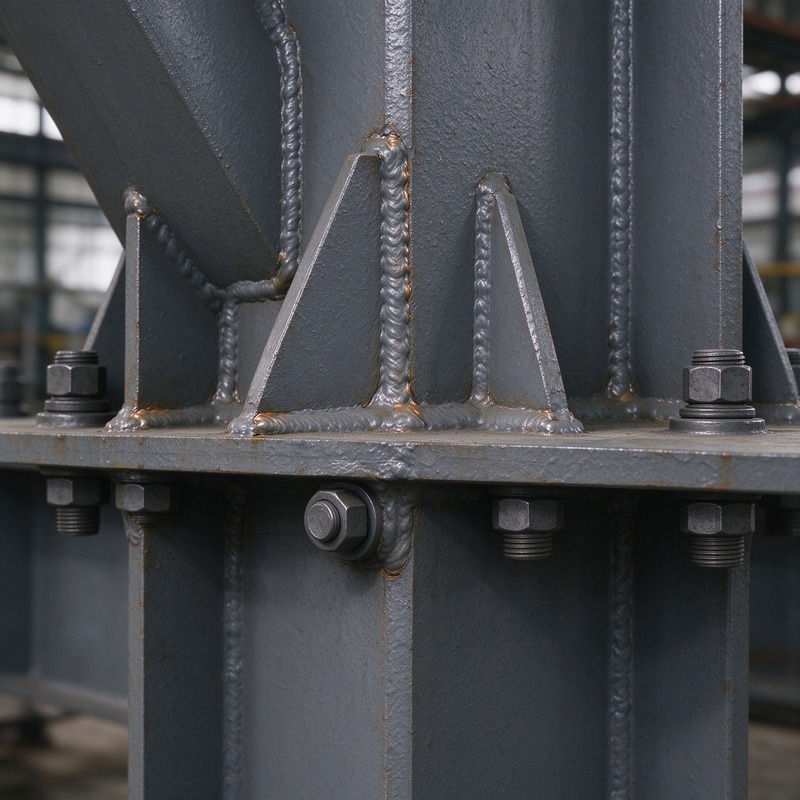
Specifications: Ensure that the specifications align with your project requirements. Common specifications include size, thickness, and material grade. Each specification impacts the girder's load-bearing capacity and overall performance.
Material Selection: Steel girders can be made from various grades of steel, which affect strength and durability. Discuss material options with your supplier to select the most suitable type for your application. For example, if you are considering Warehouses & Logistics Centers, it’s crucial to choose the right material for the required load.
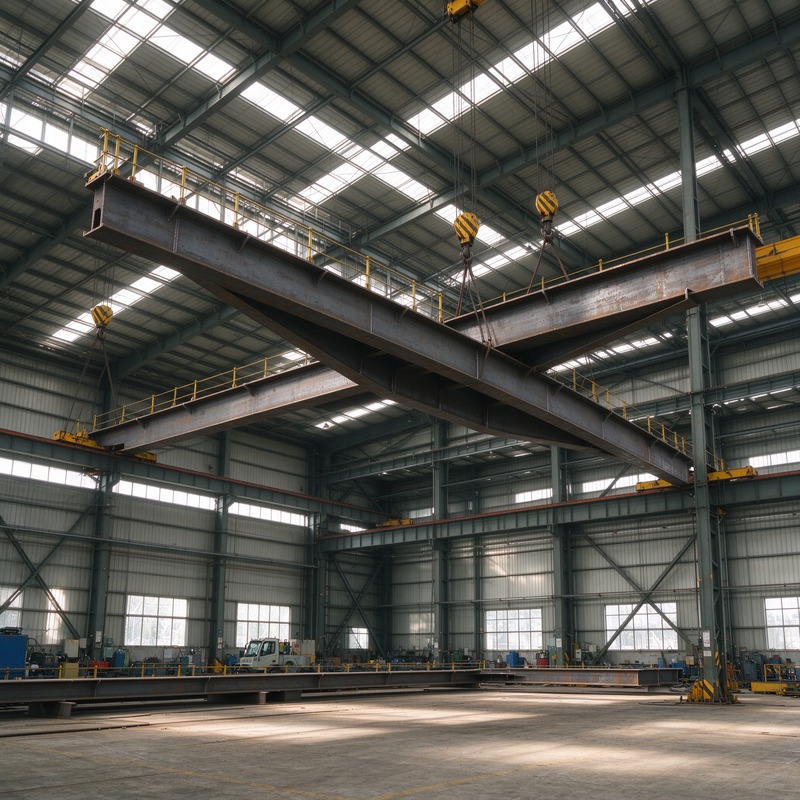
Production Capacity and Lead Time: Confirm the supplier's production capacity to ensure they can meet your order quantity. Additionally, understand their lead times for production and delivery, as delays can impact project timelines.
Packaging and Shipping: Proper packaging is essential to prevent damage during transportation. Inquire about the supplier's packaging methods and shipping arrangements to ensure your girders arrive in perfect condition.
Quality Assurance: Request information on the supplier's quality control measures, including testing protocols and inspection processes. This will help you gauge the reliability of their products.