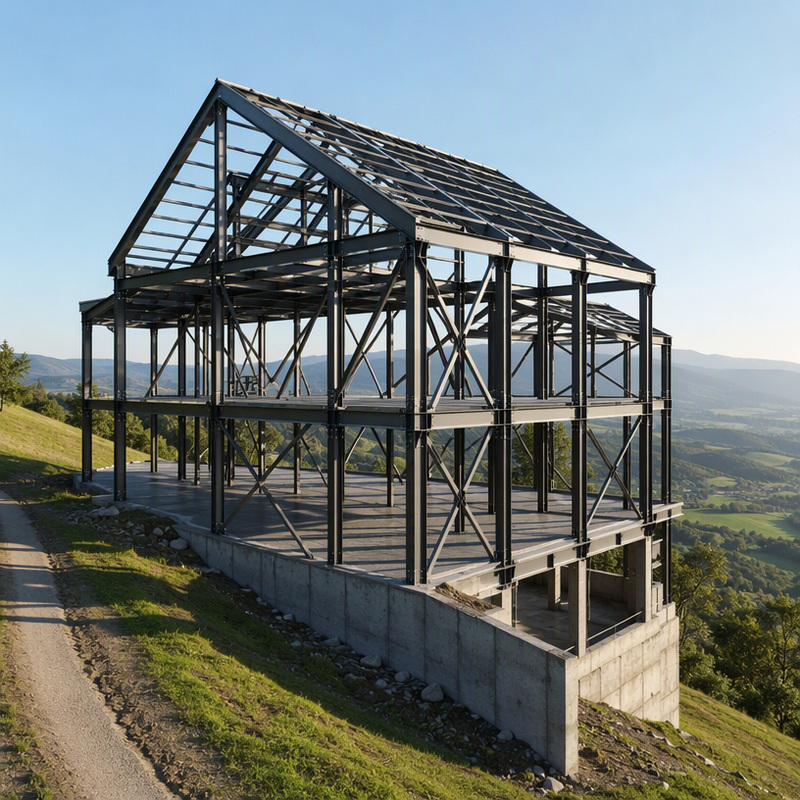
Choosing the Right Residential Steel Structure

All Categories

residential steel structure

Residential  steel structures are increasingly becoming  the  go-to solution for various  construction projects  due to their durability,  versatility, and  cost-effectiveness. For purchasing managers,  distributors, and engineers, understanding the nuances of these structures is essential  for  making  informed  decisions. This article will guide you through choosing the  right residential  steel structure, key specifications  to consider, practical  purchasing advice, best practices,  and solutions  to  common problems.
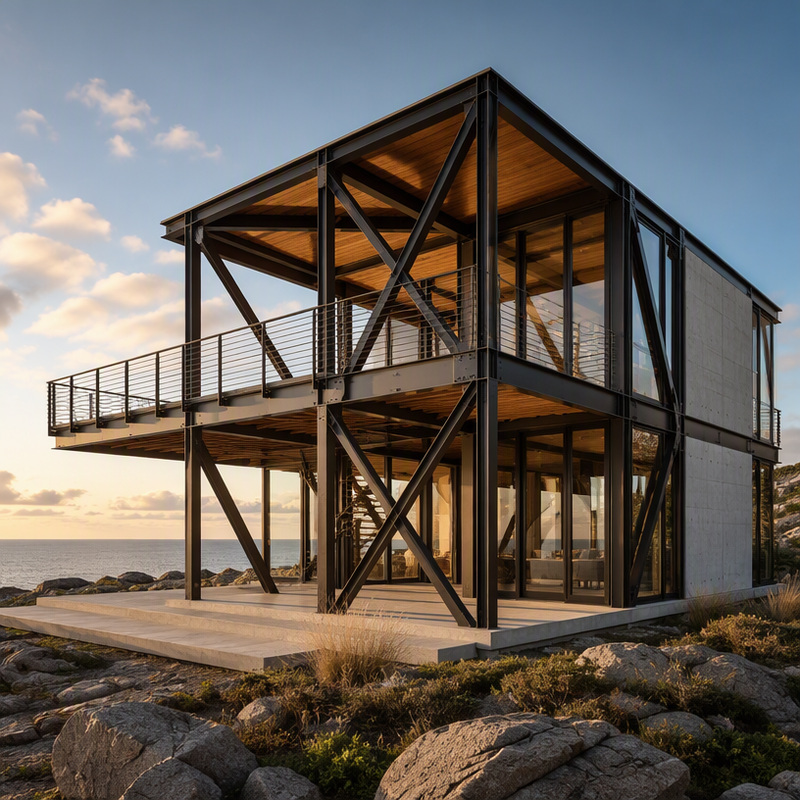
 
Cost Factors When Sourcing Residential Steel Structures

Cost Factors When Sourcing Residential Steel Structures

When evaluating residential steel structures,  several specifications should be  prioritized to  ensure functionality and  durability:

Material Quality: Look for structural steel that meets industry standards for tensile strength and yield strength. This  ensures the material can withstand various stresses during its lifespan.

Dimensions: The dimensions of beams, columns, and trusses should align  with your architectural plans. Incorrect sizing can lead to structural  weaknesses or over-engineering, which increases costs.

Coating  and Treatments: Steel  structures can  be susceptible  to corrosion, so protective coatings (like galvanization) are essential. Verify the manufacturer's treatment processes to ensure long-lasting protection against environmental factors.


Load-Bearing Capacity: This specification is crucial for  determining how much weight the structure  can support, including the building materials, furniture,  and occupants. Consult with the manufacturer for load calculations  tailored to your project's specific requirements.

Fabrication  Tolerances: Ensure  that the manufacturer adheres to acceptable  tolerances in the fabrication process, as these can significantly impact assembly and structural integrity.

Understanding these specifications allows buyers to make informed decisions, ensuring their residential steel structures meet  safety and performance standards.
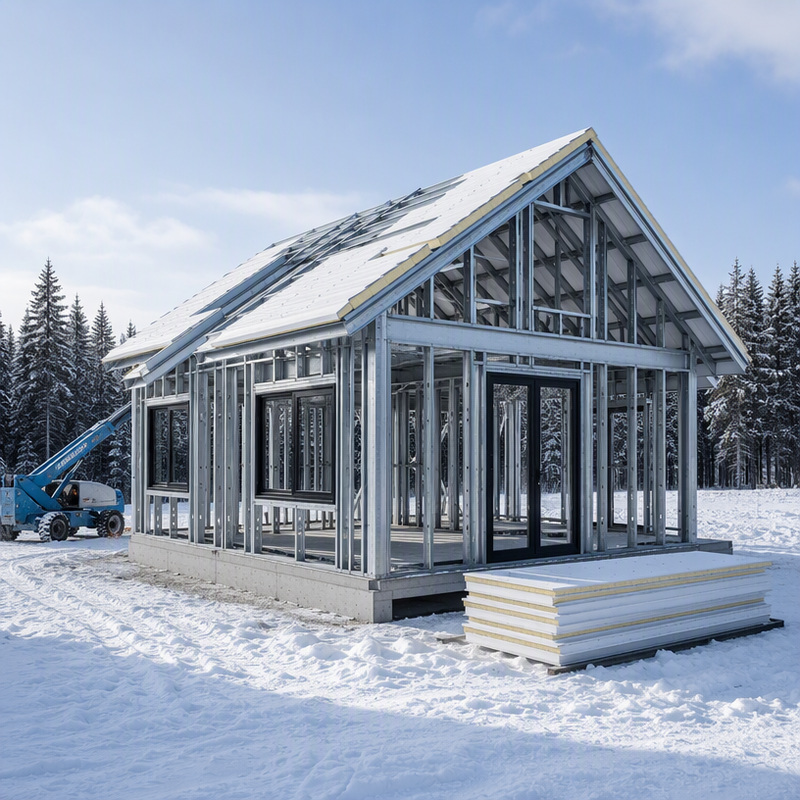
Installation Guidance for Residential Steel Structures

Installation Guidance for Residential Steel Structures

When preparing to purchase a  residential steel structure, it’s essential to  gather specific information to streamline  the RFQ process. Here are key details to consider:

Project Specifications: Provide detailed drawings and specifications, including dimensions, load requirements, and intended use. This allows manufacturers to provide accurate quotes and timelines.

Material  Selection: Clarify your  preferred steel type and any necessary  coatings. If you have specific requirements for corrosion resistance or aesthetic finish, include these in your  request.

Quantity: Specify  the number of units required.  Manufacturers often  have minimum order quantities (MOQs) that can affect pricing and lead  times.

Delivery Timeline: Discuss your project schedule to align production timelines  with on-site requirements, ensuring you receive materials when needed.

Customization Needs:  If your project requires custom designs  or alterations, provide  sketches or examples to help the manufacturer understand your vision.

Quality  Control Measures: Inquire  about the quality assurance processes in place to ensure that the structures meet the required standards.

By preparing this information in advance, you can facilitate smoother  communications with suppliers  and reduce the likelihood of delays or  misunderstandings.

Common Problems with Residential Steel Structures and Solutions

Common Problems with Residential Steel Structures and Solutions

Implementing best  practices  during the purchase and construction of residential steel structures can enhance project outcomes:

Request Samples: Before committing to a supplier, request samples of the steel and review them for quality, appearance, and compliance with specifications.  This step helps to confirm that  the  material meets your expectations.

Approve  Design Drawings: Make sure to review and approve detailed fabrication drawings before production begins. This  ensures that all dimensions and  specifications align  with your  project requirements.

Conduct Site Inspections: During the construction process, conduct regular site inspections to ensure that the installation adheres to design specifications and that the materials are handled  appropriately.

Communicate with the Manufacturer:  Maintain open lines of communication with your  steel supplier throughout the project. This can help identify and address  any issues that arise quickly.

Document Everything: Keep  detailed records  of  all communications, contracts, and approvals. This documentation can be  invaluable if disputes  arise later in the project.

By following these best practices, you can minimize risks and ensure  that your residential steel structure project is successful.

Applications of Residential Steel Structures in Various Projects

While  residential steel structures offer numerous advantages, they  are not without challenges. Here are some  common  issues and their solutions:

Corrosion: Steel  is prone to rust, especially in humid or coastal environments. To combat this, ensure that you select  galvanized steel or  apply  protective coatings.  Regular inspections and maintenance can also help identify  and address corrosion before it becomes a significant issue.

Misalignment During Installation: Improper alignment can lead to structural weaknesses or aesthetic issues. To avoid this, ensure that all  components are fabricated to precise tolerances  and that installation personnel are trained in proper alignment techniques.

Inadequate Load-Bearing Capacity: Sometimes, structures may fail to support the anticipated loads due to incorrect specifications. It is crucial to work closely with structural engineers to calculate load requirements accurately and verify them with the supplier.

Thermal Expansion:  Steel expands and contracts with temperature changes, which can lead to structural issues if not accounted for. Incorporate expansion joints into the design to accommodate movement and prevent stress fractures.

Poor Quality Materials: Always verify the  quality of materials with your supplier. Request certifications for the steel used,  ensuring it meets necessary industry standards.

By being aware of these potential problems and implementing the appropriate solutions, buyers can avoid costly  setbacks and ensure the longevity of their residential steel structures.

Choosing a reliable manufacturer like Shenyang Haibo Weiye Light Steel  Color Plate Co., Ltd, known for its  advanced production lines and  commitment to  quality, can greatly enhance the likelihood of a successful project.

Choosing the Right Residential Steel Structure for Your Projec

Selecting  the appropriate residential  steel structure involves several critical considerations.  First, assess the intended use of  the structure—whether it is  for a single-family home, multi-family unit, or commercial application. Each scenario may require different load-bearing capacities  and design specifications.

Next, consider the environmental factors  such  as local climate, seismic activity, and wind  load. These  elements influence the  structural integrity of your building and must  be factored into your design. For instance,  areas prone to heavy snowfall require steel structures that can withstand greater loads.

It's also vital to evaluate the types of steel available. Common options include H section steel and box columns, each with unique benefits. H section steel is ideal for high-load applications, while box columns provide  a sleek aesthetic for residential uses. Collaborating with  a manufacturer like Shenyang Haibo  Weiye Light Steel Color Plate Co.,  Ltd can  help you identify the best  material and design  for your specific project needs.

Frequently Asked Questions

What is residential steel structure used for?

Residential steel structure is used for homes, villas, multi-story buildings and modular housing, providing strong, durable frames and flexible design for various residential projects.
We supply H section steel, box columns, beams, steel trusses, composite plates, color steel profiled plates and purlins suitable for residential projects.
Yes. We integrate design and production to provide customized dimensions, profiles and finishes based on project drawings and engineering requirements.
We use advanced production lines, CNC and welding equipment with strict inspection processes to ensure accurate fabrication and consistent quality.
As a major regional processor, we offer large annual output; lead time depends on order size but we can provide delivery estimates after reviewing project details.

Get a Free Quote

Our representative will contact you soon.
Email
Name
Company Name
Message
0/1000

Related product categories

Get a Free Quote

Our representative will contact you soon.
Email
Name
Company Name
Message
0/1000