Choosing Steel Components for Residential Building

All Categories

residential building

In  the realm of residential  building, choosing the  right  materials  is crucial for ensuring durability, safety,  and  aesthetic appeal. This article will explore various aspects of residential construction, specifically focusing on  the role of steel components.  As  a key player in the manufacturing of  structural  steel  products, Shenyang Haibo Weiye Light Steel Color  Plate Co., Ltd offers valuable insights into the selection  and  sourcing of materials for residential buildings. We will address common concerns about material choice, supplier  reliability, specifications, potential issues  during  construction, and comparisons of  steel product options.
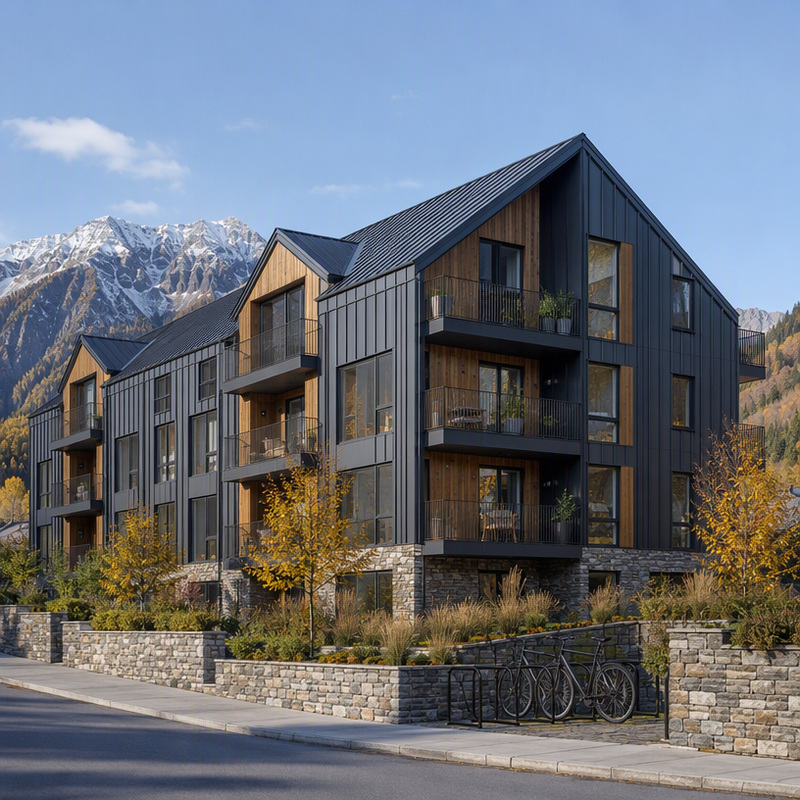
Where to Source Reliable Suppliers for Residential Building Projects

Where to Source Reliable Suppliers for Residential Building Projects

Sourcing reliable suppliers is essential for the success of any residential  building project. Start by identifying  manufacturers with a  proven track record in the industry.  Look for companies that demonstrate  strong capabilities in design, production,  and quality control, like Shenyang Haibo Weiye, which integrates  these elements seamlessly.


Another  effective strategy is to seek out suppliers  that provide customization options. This flexibility allows  for tailored solutions that meet specific project requirements. Additionally, check for certifications  that affirm the quality of the materials and adherence to industry standards.

A thorough evaluation can be performed by looking at customer reviews and case studies from previous projects. Engaging with other contractors and industry professionals can also yield  recommendations  for trustworthy  suppliers. Finally, consider  the supplier's export experience, which may indicate their  capability to meet international standards and requirements.
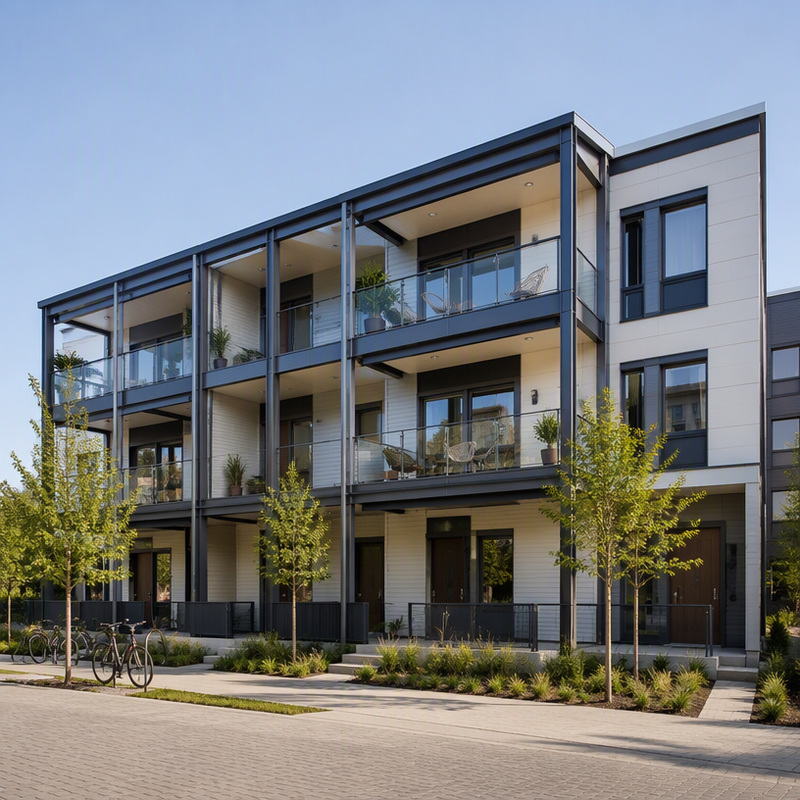
 
Key Specifications for Steel Components in Residential Construction

Key Specifications for Steel Components in Residential Construction

When  evaluating steel components for residential construction, several specifications must  be closely  examined:

Material  Grade: The grade of steel affects its strength, ductility, and overall performance. Common grades such as Q235 and Q345 are widely used  in residential buildings, with Q345 offering higher strength.

Dimensions: Accurate dimensions ensure proper fitting and structural integrity. For instance, beams  and  columns must adhere to specified lengths  and cross-sectional areas that align with engineering  designs.

Coating and Treatment: Steel components  may require coatings for corrosion resistance. Hot-dip galvanizing is a popular option that provides a protective layer, extending the lifespan  of the  steel in outdoor applications.


Welding Standards: Ensure that welding practices meet industry standards to maintain structural integrity.  Poorly executed welds can  lead  to weak points in the framework.

Weight: The weight of the steel components will influence  transportation and installation costs.  Lighter structures may be easier  to handle and reduce overall project costs.

Understanding these specifications helps buyers make informed decisions and ensures  that the materials selected are suitable for their specific residential building applications.

Common Problems in Residential Building Projects and Their Solutions

Common Problems in Residential Building Projects and Their Solutions

Residential building projects  often encounter several common issues. One frequent problem is delays in material supply, which can  disrupt construction timelines. To mitigate this, establish clear  communication with suppliers about lead times and ensure that orders are placed well in advance.

Another challenge is incompatibility of materials. For example, if the steel components do not align  with the other materials being used, it  can lead to structural issues.  Engaging in thorough  planning and  consulting with architects or engineers can alleviate this concern.

Quality control failures can also arise, especially if materials arrive damaged or do  not  meet specified standards.  Implementing a robust inspection process during delivery helps  catch these issues early. Buyers should request samples  prior to mass  production to assess  quality and  confirm specifications.

Finally, inadequate installation practices  can lead to structural failures. Providing detailed installation manuals and training  for contractors can enhance  adherence to best  practices and reduce errors.

Comparing Product Options for Steel Structures in Home Construction

When comparing steel product options for  home construction, consider various factors that impact performance and suitability for  your  project:

Type  of Steel: Different types of steel,  such as structural steel (H section, box columns) and color steel plates, serve distinct purposes. Structural steel is essential for  load-bearing, while color steel plates offer aesthetic value.

Customization Capabilities: Some manufacturers,  like Shenyang Haibo Weiye, provide custom sizing and design options. This flexibility allows for better alignment with specific architectural plans.

Production Capacity: Evaluate the manufacturer's ability to  meet your project timelines. Suppliers with larger production capacities can often fulfill larger  orders more quickly.

Cost Considerations:  Compare pricing structures, keeping in mind that the lowest price may not always equate to the best value. Consider the total cost of  ownership, including maintenance and  installation.

Performance Specifications: Investigate the load-bearing capacities, resistance  to environmental factors, and compliance  with local building codes. These specifications will dictate the  suitability of the steel products for your  residential  project.

By carefully comparing these  aspects, buyers can make informed decisions that align with their project requirements  and budget  constraints.

What to Consider When Choosing Residential Building Materials

When selecting materials for residential building projects, several factors must be taken into account. First, consider the climate of the location, as different materials  respond variably to temperature fluctuations and moisture levels. For instance, steel is known for  its strength  and resistance to elements,  making it  suitable for various climates, but it should be treated against corrosion in humid  environments.

Next, assess  the load requirements of the structure. Understanding the weight each  component  must bear will guide your choice of materials. Steel beams  and trusses from companies like Shenyang Haibo Weiye are often chosen for their ability  to handle significant loads while allowing for open spaces  within the home. Additionally, prefabricated steel structures can provide efficient solutions for various residential applications.

Additionally,  aesthetic considerations cannot be  overlooked. The visual appeal of  materials contributes significantly to the overall design  of the  home. Color steel profiled plates, for example,  can provide both functionality and visual enhancement.

Finally, be aware of budget constraints. Balancing cost with quality  is essential. Low-cost materials may  lead to higher long-term expenses due to maintenance and replacement needs.

Frequently Asked Questions

What residential building materials do you supply?

We supply H section steel, box columns, beams, steel trusses, composite plates, color steel profiled plates and purlins suited for residential building construction.
Yes. We integrate design, production and sales and can customize sections, sizes and finishes to meet specific residential project requirements.
As a major Northeast China processor with advanced production lines, we handle large annual output. Lead time varies by order size; typical delivery times provided upon inquiry.
Our production uses CNC and welding equipment to ensure dimensional accuracy and quality. Products are manufactured to industry structural and safety standards; certification details available on request.
We provide technical guidance and fabrication drawings for installation. On-site support can be arranged through project consultation and planning services.

Get a Free Quote

Our representative will contact you soon.
Email
Name
Company Name
Message
0/1000

Related product categories

Get a Free Quote

Our representative will contact you soon.
Email
Name
Company Name
Message
0/1000