EN
In contemporary residential house construction, the integration of steel structures has gained prominence due to their durability, versatility, and efficiency. As a B2B buyer, understanding the specifications, application, and procurement process for steel products is essential for making informed purchasing decisions. This article aims to provide insights into the specifications of steel structures used in residential construction, how to select the right products, budget considerations, and common installation challenges, ensuring you are well-equipped to navigate the complexities of your next project.
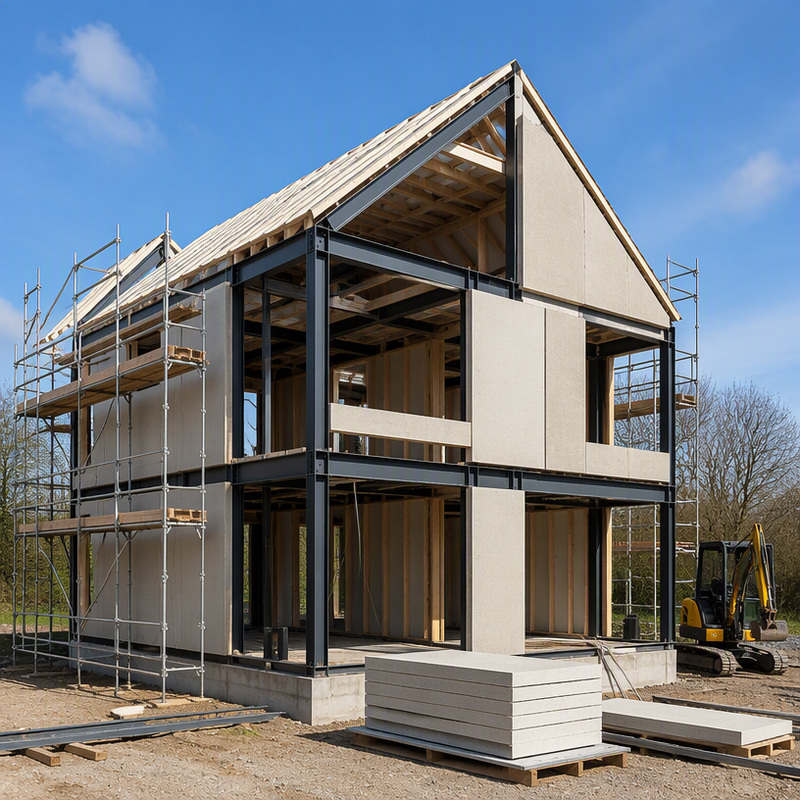
How to Choose the Right Steel Products for Residential Projects
Selecting suitable steel products for residential house construction involves several considerations:
Load Requirements: Assess the load-bearing needs of your project. This includes understanding the live loads (furniture, occupants) and dead loads (structural weight). Consult with structural engineers to determine the appropriate steel grade and section sizes.
Design Compatibility: The selected steel components must integrate seamlessly with other materials used in construction, such as concrete or wood. This interplay can affect thermal expansion and contraction, influencing the overall stability of the structure.
Customization Needs: Depending on the architectural design, customized components may be necessary. Ensure that your supplier can accommodate specific requirements, such as unique dimensions or finishes.
Supplier Reliability: Evaluate potential suppliers based on their manufacturing capabilities, quality control processes, and delivery timelines. A supplier with a robust production line and experience in residential construction can significantly impact project success. For instance, consider suppliers offering Commercial Metal Building Kits for enhanced reliability.
By carefully considering these factors, buyers can select steel products that align with their project goals and budget constraints.