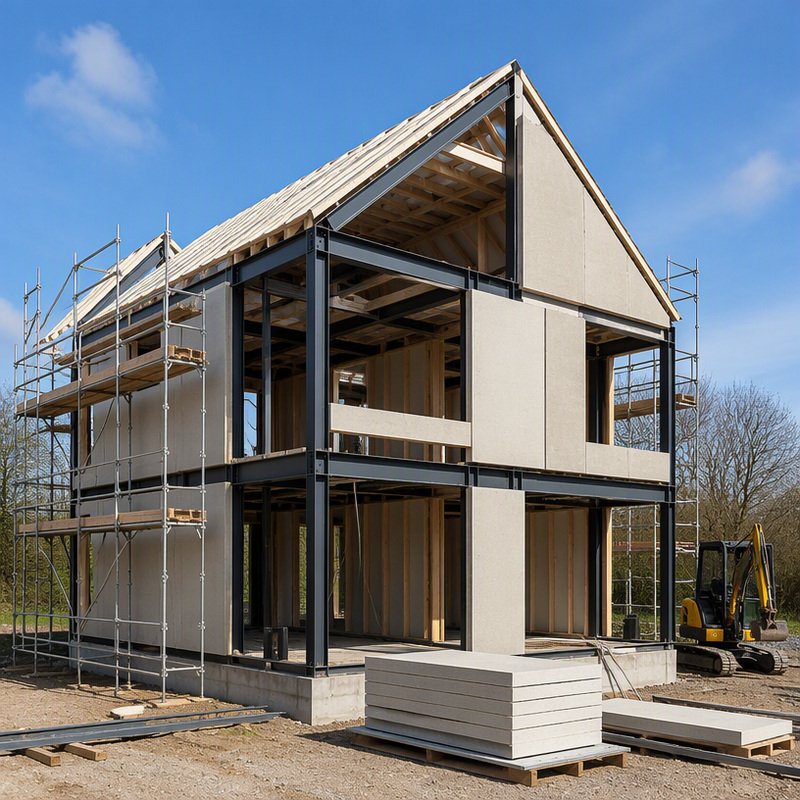
Steel Components for Residential Construction

All Categories

construction residential house

In the realm  of residential construction, selecting the  right materials is crucial for ensuring safety, durability, and cost-effectiveness. This  article  will  focus on the role of steel  components in  building residential  houses, providing  insights into the  evaluation of  quality, cost factors,  common issues, and the advantages of  using steel.  It aims to  address the  concerns of  purchasing managers, engineers, and  other B2B buyers looking to  make  informed decisions regarding their steel construction needs.
Cost Factors to Consider When Ordering Steel in Bulk

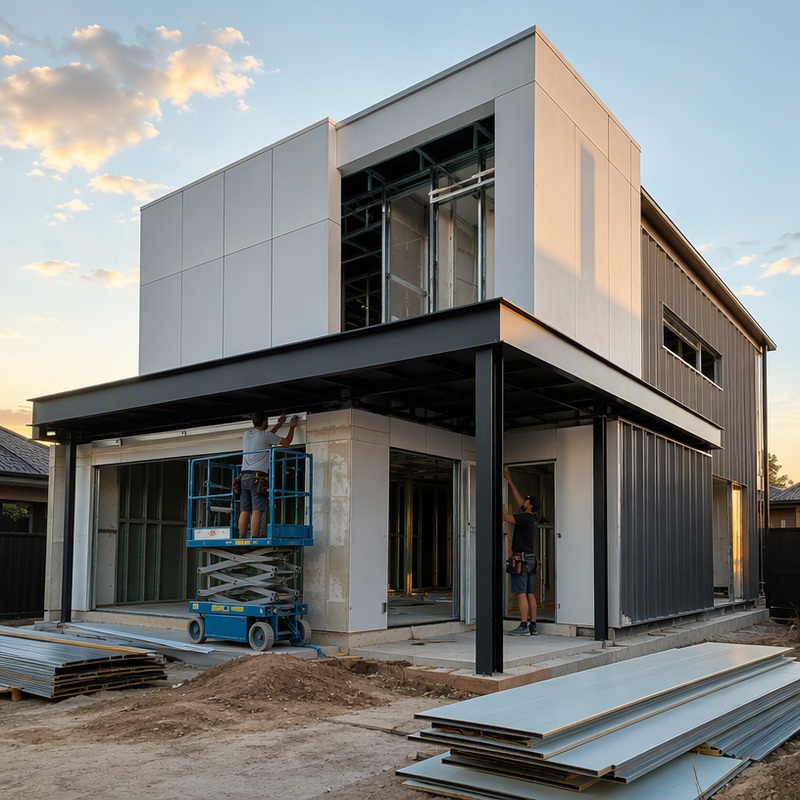
Cost Factors to Consider When Ordering Steel in Bulk

Several cost factors  come into play when  ordering steel  for residential construction.  The type of steel, quantity, and complexity of the  components can all influence pricing. For instance, structural steel  components like H sections or box columns may carry different  costs based on their  dimensions  and weight.  Buyers  should  prepare to provide detailed specifications, including the required dimensions, grades, and any specific treatments  or coatings.

Bulk orders often  come  with discounts, but  it’s crucial to discuss Minimum Order  Quantities (MOQs) with suppliers. Understanding lead times is also essential, as longer manufacturing processes can lead to increased costs, especially if expedited shipping is required. Additionally, transportation costs should be factored in, particularly if  the delivery location is  remote or requires special handling.
Common Problems in Residential Steel Construction and Solutions

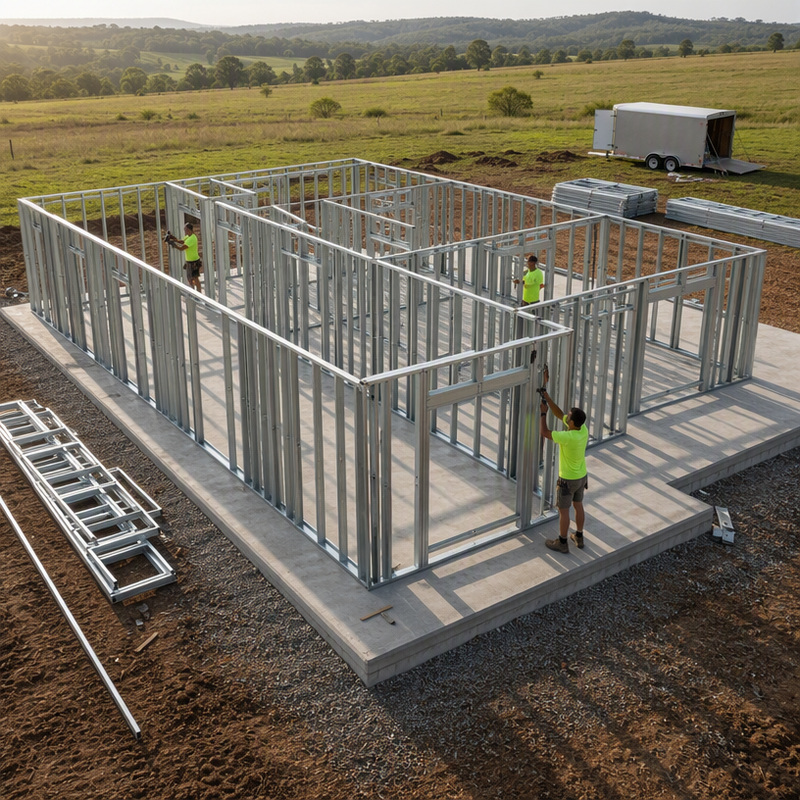
Common Problems in Residential Steel Construction and Solutions

Even with high-quality steel components, challenges can arise during  the construction process. One common issue is misalignment during assembly,  which can compromise structural integrity. To mitigate  this, precise  measurements and careful  planning are essential. Using jigs and  fixtures  can assist  in maintaining accuracy during installation.

Another common problem is  corrosion, particularly in exposed  areas. Implementing proper surface  treatments can help prevent this issue. Buyers should consult with  manufacturers to determine  the best  protective measures for their  specific  applications, such as considering the local climate and environmental conditions. It's beneficial to explore options like PU PIR Insulated Wall Sandwich Panel High Thermal Efficiency Cladding for enhanced protection against environmental factors.

Moreover, communication between suppliers and contractors is vital to address  any issues  quickly. Establishing  a clear channel  for feedback during the installation process can help identify and resolve problems before they escalate.

Understanding the Advantages of Using Steel in Home Building Projects

Understanding the Advantages of Using Steel in Home Building Projects

Steel offers numerous advantages in residential construction that make it an attractive choice for  builders and developers. One of the primary  benefits is its  strength-to-weight ratio. Steel is significantly stronger than traditional materials like wood, allowing for larger spans and reducing the need for additional support structures.  This not  only enhances the  aesthetic appeal  of open  floor plans but also contributes to overall cost savings in  the foundation and framework.

Additionally, steel components are  highly durable and resistant to many environmental factors, including pests, rot, and fire. This resilience can  lead to lower maintenance costs over the lifespan of the building. Steel is also recyclable,  making it  an environmentally friendly choice for sustainable construction practices.

Furthermore,  the precision  of steel fabrication  allows for  quicker assembly on-site, reducing  labor costs and project  timelines. Advanced manufacturing processes, such as CNC machining, ensure that components are produced with high accuracy, leading to less waste and rework during construction.

Technical Knowledge Required for Sourcing Steel Products Effectively

When  sourcing steel products for residential construction, buyers should possess a solid understanding of  technical specifications and material requirements. Key parameters to consider include thickness, yield strength, and type of steel, as these factors will dictate the component’s performance  in various applications.

Buyers should also be prepared  to discuss specific application needs. For instance, if the steel will be used in  a load-bearing context, it’s vital to ensure  that the selected  steel grade meets the necessary structural demands. Verifying the manufacturer's production capabilities, including their ability to  handle custom orders and  modifications, can also  streamline the sourcing process.

Furthermore, understanding the logistics of packaging and shipping is essential. Buyers  should inquire about how products are packaged to prevent damage during transport and what  measures are in  place to ensure timely delivery. Establishing  a relationship with a  reliable supplier who can provide all necessary documentation and certifications will enhance the sourcing experience and ensure that all technical requirements are  met effectively.

In  summary, selecting the  right steel components for residential construction involves careful evaluation of quality, cost considerations, and an understanding of the advantages of using steel. By addressing common issues and possessing  the technical knowledge necessary for effective sourcing, buyers can make informed decisions that contribute to successful construction projects.

Evaluating the Quality of Steel Components in Home Construction

When evaluating steel components for residential construction, factors such as  material grade, structural integrity, and  surface treatment play vital roles.  Steel  quality is typically  classified by its yield strength and tensile  strength, which indicate how much  load the  material can bear before deforming or breaking. Buyers should verify that the steel meets  or  exceeds industry standards such  as ASTM or ISO certifications, which can provide assurance of quality and reliability.

Additionally, surface treatment is essential for protecting steel from corrosion and environmental wear. Galvanization, for example, involves coating steel with zinc to enhance  its durability. Buyers should inquire about the  treatment  processes used by suppliers, as these can significantly affect the lifespan of the components in residential applications. A thorough  inspection  of samples, including dimensional accuracy and weld quality, is also  recommended to ensure  that the products will meet the project specifications. Consider looking into options like Galvanized Film Greenhouse Tunnel Plastic Grow Tunnel for enhanced durability.

Frequently Asked Questions

What products are included for residential house construction?

We supply H section steel, box columns, beams, steel trusses, composite plates, color steel profiled plates and purlins suitable for residential projects.
Yes. We integrate design, production and sales and offer custom sizing and fabrication using advanced CNC and welding equipment.
We use high-grade structural steel and coated color plates produced on advanced lines, meeting regional engineering and construction standards.
Lead time varies by scope; typical large annual-capacity production enables efficient turnaround. Contact us with project details for a precise schedule.
Yes. We provide technical consultation, design support and fabrication drawings to assist installation and ensure components fit project requirements.

Get a Free Quote

Our representative will contact you soon.
Email
Name
Company Name
Message
0/1000

Related product categories

Get a Free Quote

Our representative will contact you soon.
Email
Name
Company Name
Message
0/1000